






















How to Care for a Senior Cat in Its Final Years: Essential Tips Every Cat Owner Should Know
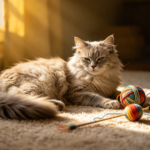
Watching a beloved senior cat enter its final years is one of the most tender and challenging experiences a cat owner can face. For cats aged 15 and older—considered geriatric or in their final life stage—care shifts from maintaining health to prioritizing comfort, dignity, and quality of life. These final years are a time to cherish every moment, and providing the right care ensures your feline companion feels safe, loved, and pain-free. This guide shares essential tips to support your senior cat in its final years, covering physical care, emotional well-being, and practical considerations every owner should know.
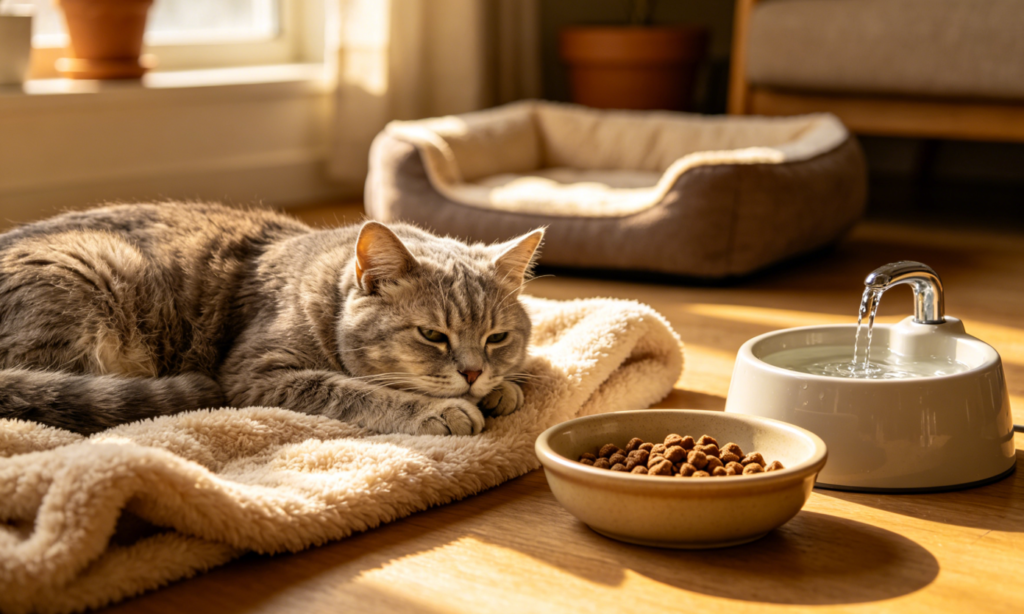
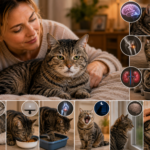
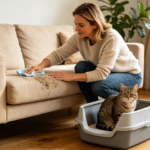
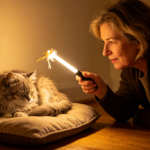
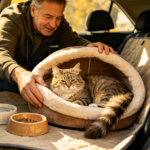
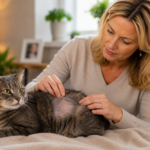
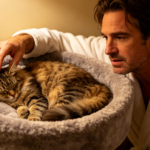
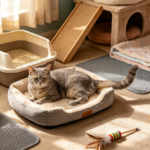
First and foremost, prioritize pain management and comfort. Geriatric cats often struggle with chronic conditions like arthritis, dental pain, or organ decline, which can cause hidden discomfort. Work closely with your vet to assess pain levels and develop a management plan—this may include pain medication, joint supplements, or gentle physical therapy. Create a cozy, accessible living space: place soft, warm bedding in quiet areas away from drafts, and ensure food, water, and the litter box are on the ground (avoiding stairs or high surfaces that strain aging joints). Low-sided litter boxes are especially important for cats with mobility issues, as they reduce the effort needed to enter and exit.
Nutrition is another critical aspect of care for senior cats in their final years. Many geriatric cats have reduced appetites, dental issues, or organ sensitivities, so their diet needs to be tailored to their needs. Opt for soft, palatable senior or prescription food that is easy to chew and digest, and rich in nutrients to support remaining muscle mass. If your cat struggles to eat, try warming the food to enhance its aroma, offering small, frequent meals instead of large portions, or adding a small amount of low-sodium broth to entice them. Always ensure fresh, clean water is available—consider a water fountain to encourage hydration, which is vital for kidney and urinary health.
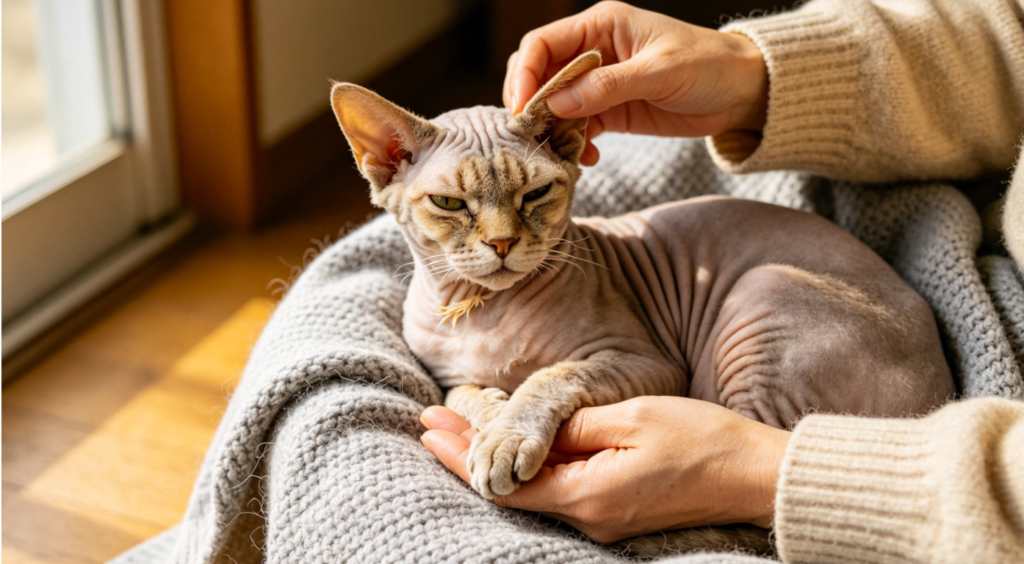
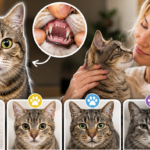
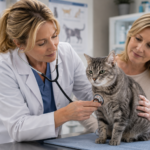
Regular veterinary care remains essential, but the focus shifts to monitoring and comfort rather than aggressive treatment. Schedule bi-annual or even quarterly check-ups to track your cat’s health, including blood work to monitor organ function and pain assessments. Be honest with your vet about your cat’s quality of life—they can help you make informed decisions about treatments, and guide you through end-of-life care if needed. Never hesitate to ask questions or express concerns; your vet is a partner in ensuring your cat’s final years are as comfortable as possible.
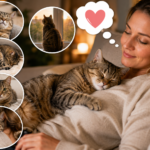
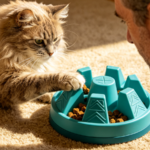
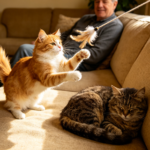
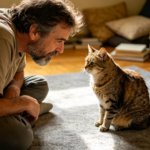
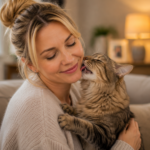
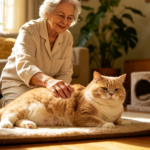
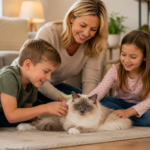
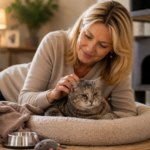
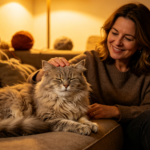
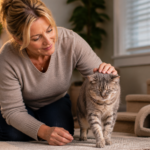
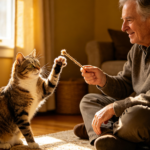
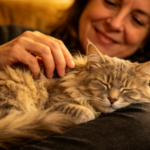
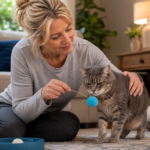
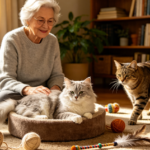
Emotional well-being is just as important as physical care. Senior cats thrive on routine and familiarity, so avoid major changes to their environment or schedule. Spend quality time with your cat—gentle petting, quiet cuddles, or even just sitting nearby can provide immense comfort. Keep their favorite toys accessible, but avoid forcing play if they’re tired or in pain. If your cat becomes disoriented (a sign of cognitive decline), keep their space consistent with familiar objects to reduce confusion.
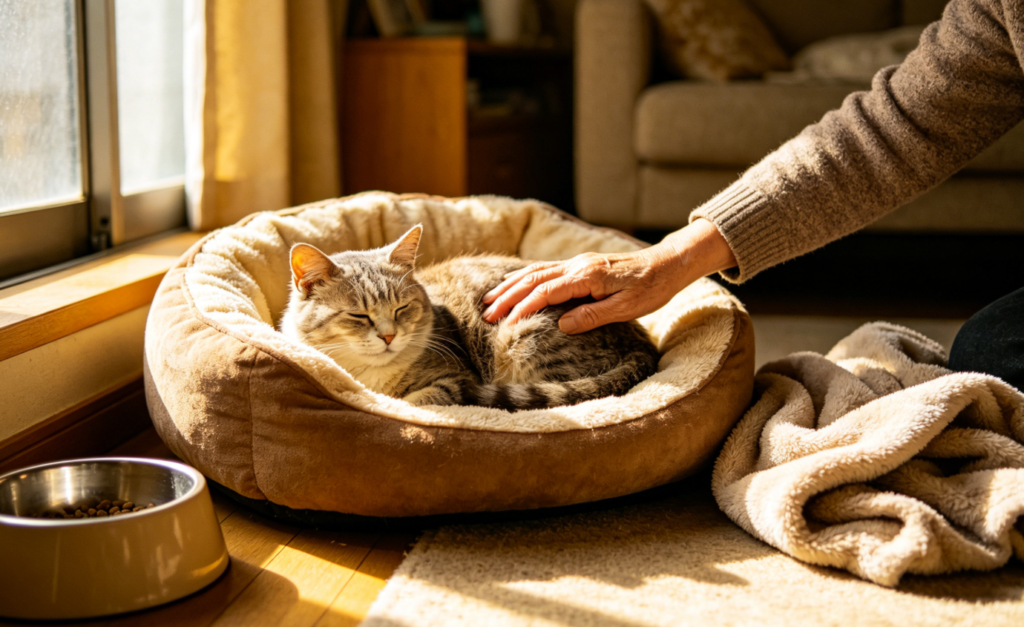
Finally, practice patience and compassion. Geriatric cats may sleep more, have accidents, or become less interactive—and that’s okay. These changes are not signs of rejection, but of aging. Celebrate small moments: a purr, a gentle nudge, or a shared nap. Document memories through photos or notes to cherish long after they’re gone. Most importantly, trust your instincts—you know your cat best, and your love and care are the greatest gifts you can give them in their final years.
In conclusion, caring for a senior cat in its final years requires empathy, attentiveness, and a focus on comfort. By prioritizing pain management, tailored nutrition, regular vet care, emotional support, and routine, you can ensure your beloved feline companion lives its final days with dignity, warmth, and the love it deserves. These years are a precious chance to honor the bond you share—and to give back the joy and companionship your cat has brought into your life.
Related posts:
 Senior Cat Grooming Tips for Older Cats With Matted Fur
 10 Essential Tips to Create a Comfortable and Safe Space for Your Senior Cat
 10 Summer Care Tips to Protect Senior Cats From Heatstroke Every Pet Owner Should Follow
 Why Senior Cats Stop Playing and How to Encourage Them to Stay Active
 How Often Should Senior Cats Get Checkups and How to Prepare