






















Senior Cat Losing Weight: Natural Aging or a Health Problem?
Weight changes are common in aging cats, and many owners notice their senior cat becoming thinner over time. While some mild weight loss may occur naturally as cats age, sudden or significant weight loss should never be ignored. In many cases, losing weight can be an early warning sign of an underlying health problem that requires medical attention.
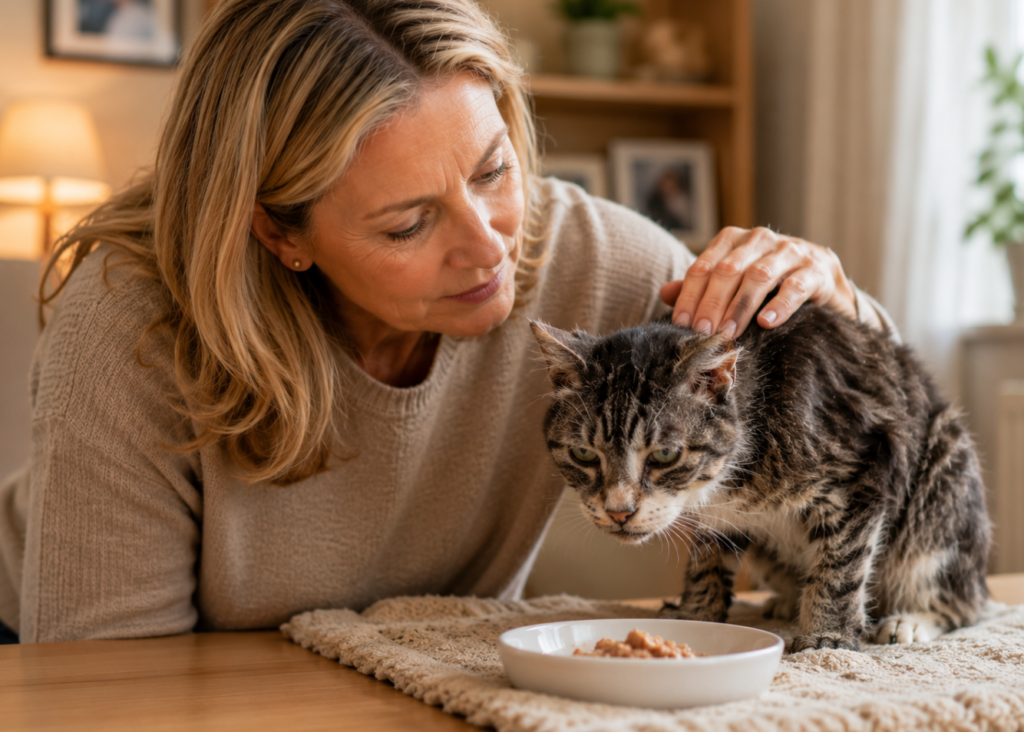
As cats grow older, their bodies change in several ways. Senior cats may gradually lose muscle mass due to reduced activity and slower metabolism. This natural process, sometimes called muscle wasting, can make elderly cats appear thinner even if their appetite remains normal. Older cats may also become less active, sleep more often, and burn calories differently than younger cats.
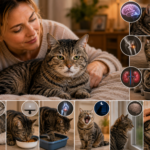
However, unhealthy weight loss is often linked to medical conditions that commonly affect aging cats. One of the most frequent causes is kidney disease. Chronic kidney disease affects many senior cats and can lead to poor appetite, dehydration, nausea, and gradual weight loss. Cats with kidney problems may also drink more water and urinate more frequently than usual.
Hyperthyroidism is another common condition associated with rapid weight loss. This disease causes the thyroid gland to become overactive, speeding up metabolism. Cats with hyperthyroidism often lose weight even while eating more food than before. Increased energy, restlessness, vomiting, and excessive vocalization are also possible symptoms.
Diabetes may also cause weight loss in elderly cats. Even if a diabetic cat continues eating normally, the body may struggle to properly use nutrients for energy. Increased thirst, frequent urination, and lethargy often appear alongside weight changes.
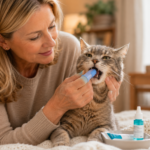
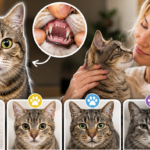
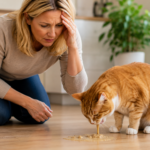
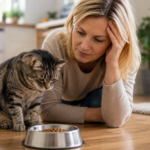
Dental disease is another important factor to consider. Many senior cats develop painful teeth or gum problems that make chewing difficult. A cat with oral pain may avoid food or eat less than usual, leading to gradual weight loss. Bad breath, drooling, or dropping food while eating may indicate dental discomfort.
Digestive disorders, cancer, infections, and intestinal problems can also affect body weight in older cats. Because cats naturally hide illness, owners may not notice symptoms until the condition becomes more advanced.
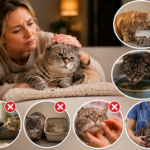
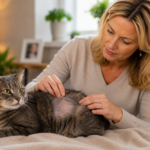
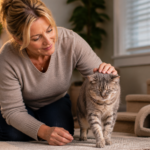
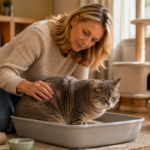
Monitoring a senior cat’s body condition regularly is very important. Feeling the spine, hips, and muscles can help owners notice subtle changes before severe weight loss occurs. Sudden decreases in appetite, vomiting, diarrhea, weakness, or behavior changes should also be taken seriously.
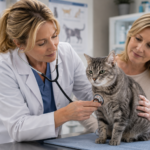
Regular veterinary checkups are essential for aging cats because early diagnosis greatly improves treatment options. Blood tests, dental exams, and weight monitoring can help identify health problems before they become severe. In many cases, treatment, dietary adjustments, or supportive care can help stabilize weight and improve quality of life.
Nutrition also plays a major role in maintaining a healthy weight. Senior cats often benefit from high-quality diets that contain easily digestible protein and balanced nutrients. Wet food may be especially helpful for cats with hydration issues or dental pain.
Although some physical changes are normal during aging, unexplained weight loss should always be carefully monitored. A healthy senior cat should still maintain good energy, appetite, and overall comfort.
With proper medical care, balanced nutrition, and close observation, many senior cats can continue living healthy and comfortable lives well into their later years.
Related posts:
 5 Biggest Killers of Senior Cats: Common Causes, Warning Signs & How to Protect Your Feline
 10 Common Health Problems in Senior Cats You Should Never Ignore
 Common Senior Cat Health Problems You Should Never Ignore
 Why Is My Senior Cat Losing Weight Suddenly? Top Health Reasons and How to Help
 Top 10 Tips to Help Your Senior Cat Thrive in Their Golden Years and Improve Your Senior Cat’s
 Why Your Senior Cat Meows at Night: Health Reasons Explained
 Senior Cat Not Eating? Common Causes and Simple Solutions Every Owner Should Know
 How Often Should Senior Cats Visit the Vet? A Complete Health Check Guide
 Senior Cat Drinking More Water: Should You Worry About Their Health?
 Why Is My Senior Cat Constipated? Common Causes and Solutions Explained