


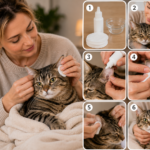
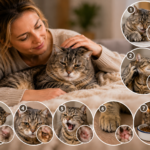
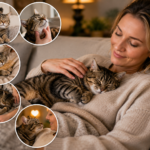
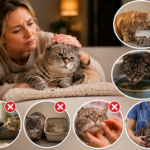










7 Practical Tips to Improve Your Senior Cat’s Appetite and Encourage Healthy Eating
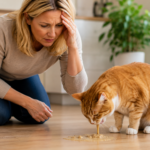
Maintaining a healthy appetite in senior cats is essential for their overall health and well-being. As cats age, they often experience decreased appetite due to dental issues, digestive changes, reduced mobility, or underlying medical conditions. Owners can take proactive steps to make mealtime more appealing and ensure their elderly feline receives proper nutrition.
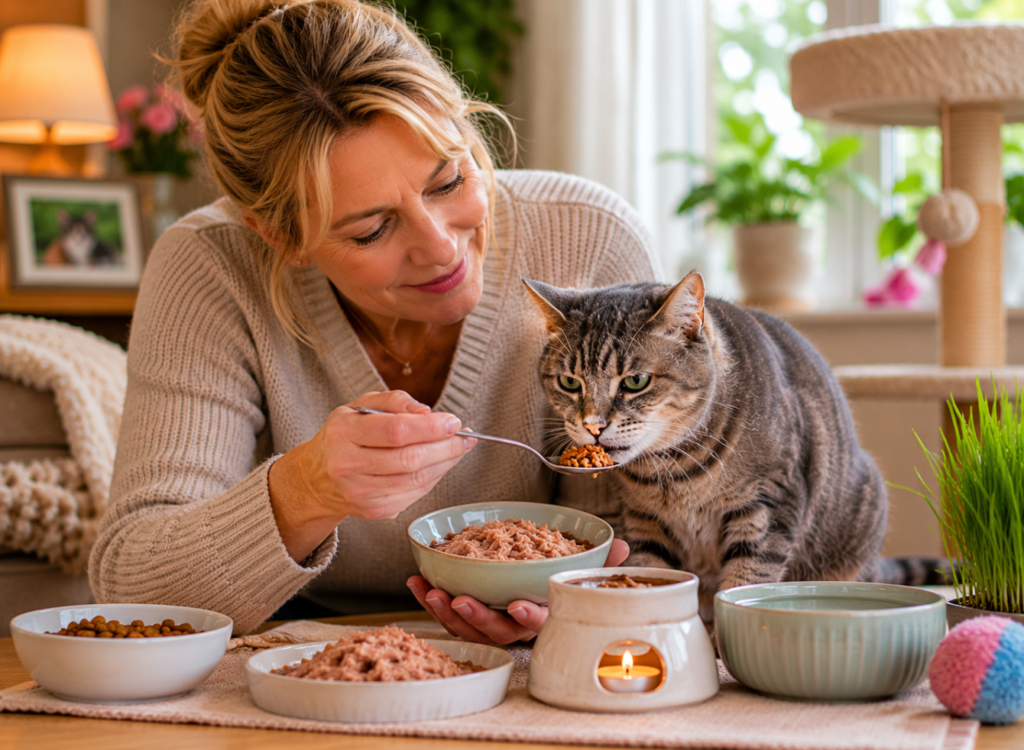
Here are seven practical tips to help improve your senior cat’s appetite and encourage healthy eating.
1. Offer High-Quality, Senior-Specific Food
Senior cats benefit from diets formulated for aging bodies, which include easily digestible proteins, balanced fats, and added vitamins or supplements to support joints, kidneys, and overall health. High-quality, palatable food can make mealtime more enticing for finicky eaters.
2. Warm the Food Slightly
Heating wet food slightly can enhance its aroma, making it more appealing to cats with reduced appetite. Warm food often stimulates the senses and encourages reluctant eaters to take interest. Always test the temperature to ensure it’s safe before serving.
3. Feed Small, Frequent Meals
Smaller, more frequent meals can be easier for senior cats to digest and may prevent them from feeling overwhelmed by large portions. Offering food several times a day keeps energy levels steady and encourages consistent eating habits.
4. Make Eating Comfortable
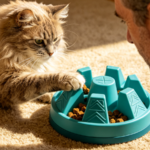
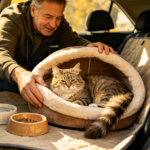
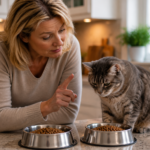
Senior cats with arthritis or mobility issues may struggle to reach bowls on high surfaces. Place food and water dishes in easily accessible, stable locations. Shallow bowls or plates can also help cats with dental problems eat more comfortably.
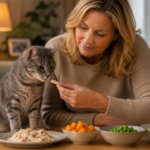
5. Enhance Palatability
Adding small amounts of warm water, low-sodium broth, or a few soft treats to wet food can enhance flavor and smell, stimulating appetite. Some cats enjoy a bit of canned tuna or cooked chicken mixed in for variety. Always avoid toxic ingredients like onions or garlic.
6. Maintain a Quiet Feeding Environment
Cats can be sensitive to noise or activity around mealtime. Providing a calm, quiet area for eating reduces stress and distractions, allowing your senior cat to focus on their food and eat more willingly.
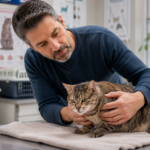
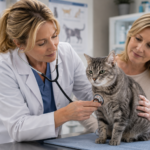
7. Monitor Health and Seek Veterinary Advice
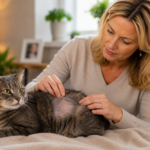
Loss of appetite may indicate underlying health issues, such as dental disease, kidney problems, thyroid disorders, or gastrointestinal concerns. If your cat consistently refuses food or shows sudden weight loss, consult your veterinarian promptly for evaluation and guidance.
Conclusion
Encouraging a healthy appetite in senior cats requires attention, patience, and creativity. By offering palatable, accessible food, creating a comfortable feeding environment, and monitoring health closely, owners can help their elderly cats maintain proper nutrition and overall well-being. Small daily adjustments can make a significant difference in keeping a senior cat active, happy, and healthy during their golden years.
Related posts:
 6 Simple Daily Routines to Help Extend Your Senior Cat’s Lifespan and Improve Quality of Life
 Senior Cat Diet: What to Feed and What to Avoid Every Cat Owner Needs to Know
 Best Treats for Senior Cats With Sensitive Stomachs to Prevent Upset Digestion
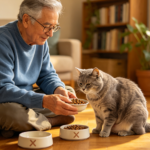 What Senior Cats Should Eat and Avoid Completely: The Ultimate Guide to Safe Nutrition for Aging Cats
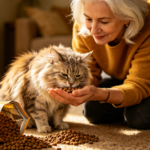 Best Senior Cat Food 2026: What Every Owner Should Buy
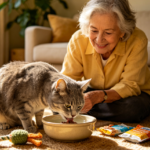 How Much Water Should a Senior Cat Drink Daily and How to Encourage More Water Intake
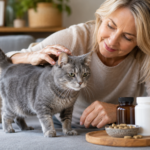 Top Joint Supplements for Senior Cats to Reduce Pain and Improve Movement
 When Is a Cat Considered Senior? Cat Age and Aging Explained
 What Human Foods Can Senior Cats Eat Safely? A Helpful Guide for Owners
 6 Basic Rules for Feeding Senior Cats Correctly and Keeping Them Healthy