








Best Treats for Senior Cats With Sensitive Stomachs to Prevent Upset Digestion
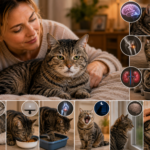
Senior cats (11 years and older) often face digestive challenges—slower metabolism, reduced gut function, and increased sensitivity to certain ingredients—making it tricky to find treats that won’t trigger upset stomachs, vomiting, or diarrhea. For cat owners, choosing the right treats is more than just a way to show affection; it’s a crucial part of supporting their senior cat’s digestive health while still letting them enjoy a special reward. The best treats for senior cats with sensitive stomachs are gentle, easily digestible, and free of harsh ingredients that can irritate their delicate guts. This guide breaks down what to look for, the top treat options, and key tips to prevent digestive upset, ensuring your senior feline gets the love they deserve without discomfort.
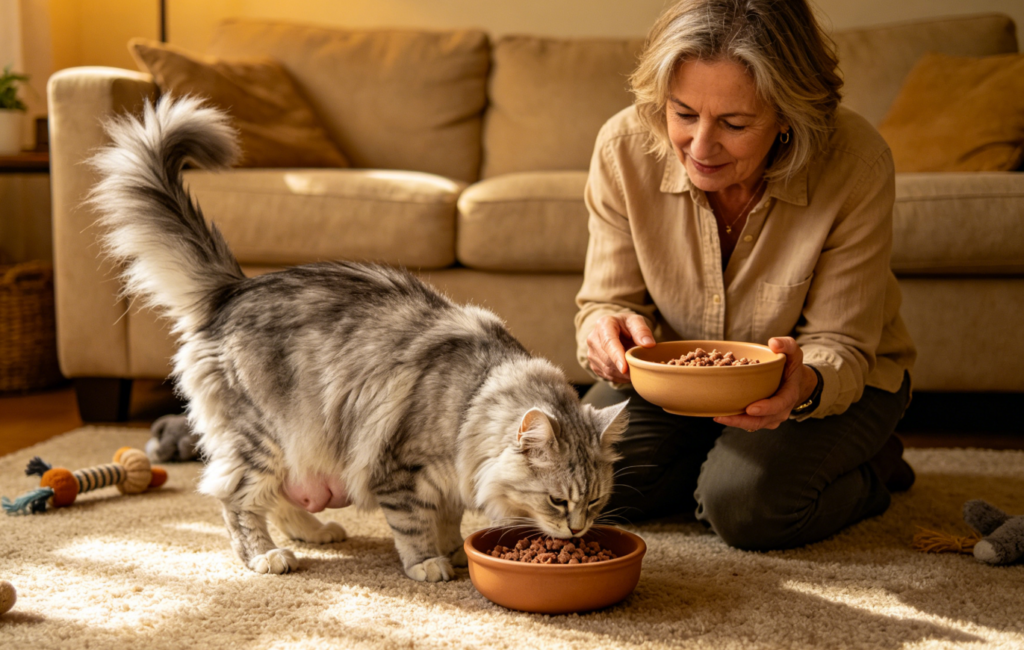
First, it’s important to understand why senior cats are prone to sensitive stomachs. As cats age, their digestive system weakens—they produce fewer digestive enzymes, their gut microbiome becomes less balanced, and they may develop food intolerances or sensitivities they didn’t have in their younger years. Additionally, many senior cats have underlying health conditions (like kidney disease, pancreatitis, or inflammatory bowel disease) that make their stomachs even more sensitive. Treats that are high in fillers, artificial additives, or heavy fats can easily disrupt their digestion, leading to discomfort and health issues.
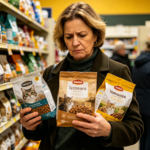
When choosing treats for a senior cat with a sensitive stomach, prioritize simple, high-quality ingredients with no unnecessary additives. The ideal treat should have a short ingredient list, with a single animal-based protein as the first ingredient—chicken, turkey, or fish are gentle on the stomach and highly digestible. Avoid treats containing grains (wheat, corn, soy), which are common allergens and hard for senior cats to digest, as well as artificial preservatives, colors, or flavors that can irritate the gut.
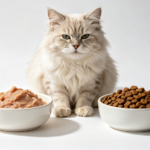
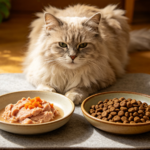
Soft, moist treats are often the best choice for senior cats with sensitive stomachs. Unlike hard, crunchy treats that can be tough on aging teeth and digestive systems, soft treats are easier to chew and break down quickly in the stomach. Look for treats labeled “digestible” or “for sensitive stomachs”—these are formulated with gentle ingredients and probiotics to support gut health.
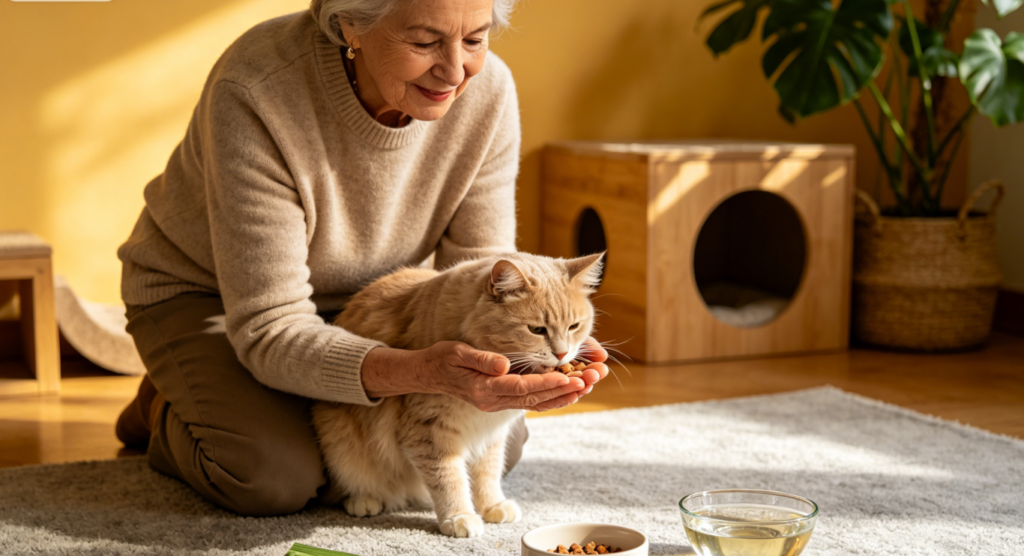
Top treat options for senior cats with sensitive stomachs include:
- Single-Ingredient Freeze-Dried Treats – Freeze-dried chicken, turkey, or fish (with no added ingredients) are gentle, nutrient-dense, and easy to digest. The freeze-drying process preserves the natural nutrients without adding fillers, making them ideal for sensitive guts. They’re also low in fat, which helps prevent pancreatitis—a common issue in senior cats.
- Soft, Grain-Free Treats – Look for soft treats made with a single protein (e.g., chicken liver or salmon) and natural binders like pumpkin or sweet potato, which are gentle on the stomach and provide fiber to support digestion. Avoid treats with added sugars or salt, which can further irritate sensitive stomachs.
- Probiotic-Infused Treats – Treats containing probiotics help balance the gut microbiome, supporting healthy digestion and reducing the risk of upset. Choose options with live, active cultures and simple ingredients to avoid overwhelming your cat’s stomach.
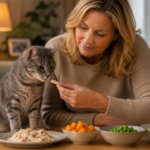
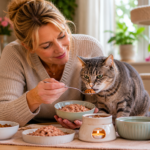
- Homemade Treats – For full control over ingredients, make homemade treats using plain, cooked chicken or turkey (no seasonings), pumpkin puree, or plain yogurt (lactose-free, as many senior cats are lactose intolerant). These are gentle, customizable, and free of harsh additives.
In addition to choosing the right treats, there are key tips to prevent digestive upset in senior cats. First, feed treats in moderation—treats should make up no more than 10% of your cat’s daily calorie intake. Overfeeding treats can disrupt their regular diet and lead to stomach upset, weight gain, or nutrient imbalances.
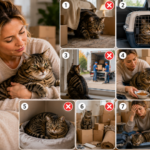
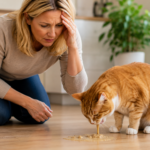
Introduce new treats slowly: start with a small piece (half a treat) and monitor your cat for signs of digestive upset (vomiting, diarrhea, lethargy, or loss of appetite) over 24–48 hours. If no issues arise, you can gradually increase the amount. If your cat does show signs of upset, stop giving the treat immediately and consult your vet if symptoms persist.
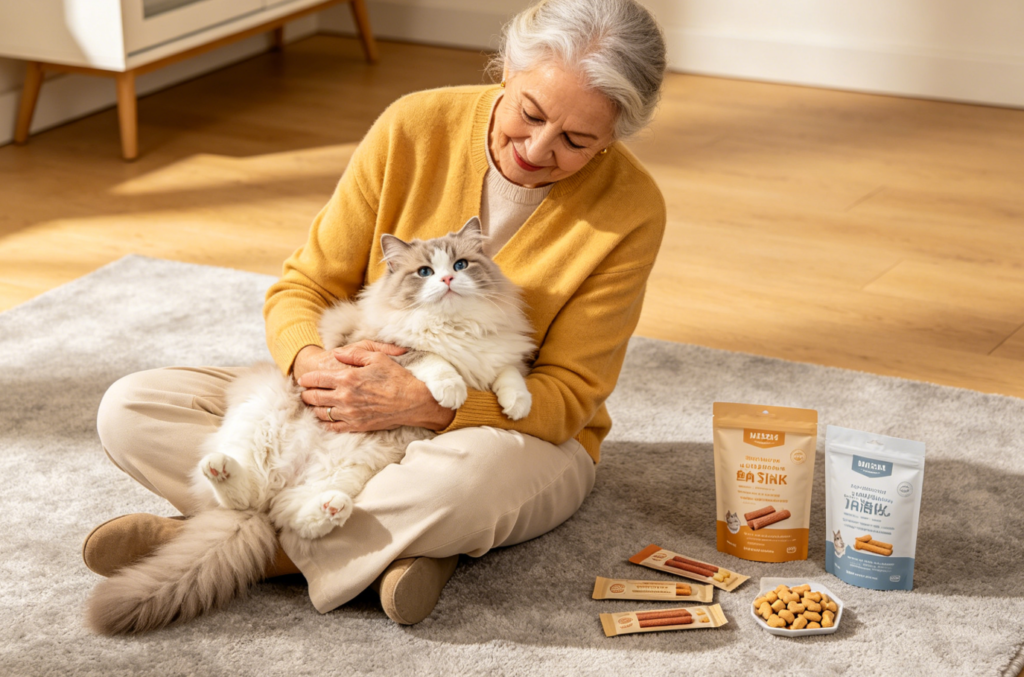
Avoid giving your senior cat table scraps or human food, even if it seems gentle. Many human foods (like onions, garlic, dairy, or fatty meats) are toxic or hard to digest for cats and can trigger severe stomach upset.
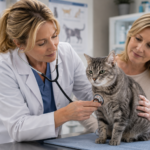
It’s also important to consult your vet before introducing new treats, especially if your senior cat has underlying health conditions (like kidney disease or pancreatitis). Your vet can recommend treats that are tailored to your cat’s specific needs and help you avoid ingredients that may worsen their condition.
In conclusion, the best treats for senior cats with sensitive stomachs are simple, high-quality, and gentle on the digestive system. By prioritizing single ingredients, soft textures, and probiotic support, and following tips for moderation and slow introduction, you can treat your senior cat without causing digestive upset. Remember, treats should be a source of joy, not discomfort—and with the right choices, you can show your feline companion love while supporting their digestive health in their golden years.