















What Senior Cats Should Eat and Avoid Completely: The Ultimate Guide to Safe Nutrition for Aging Cats
As cats age, usually starting around 11 years old, their bodies undergo important changes. Metabolism slows, kidneys and joints need extra support, and the immune system weakens. Proper nutrition becomes one of the most powerful tools for keeping senior cats healthy, active, and comfortable in their golden years. Feeding the right foods while strictly avoiding harmful ones can prevent many age-related issues and improve quality of life.
What Senior Cats Should Eat
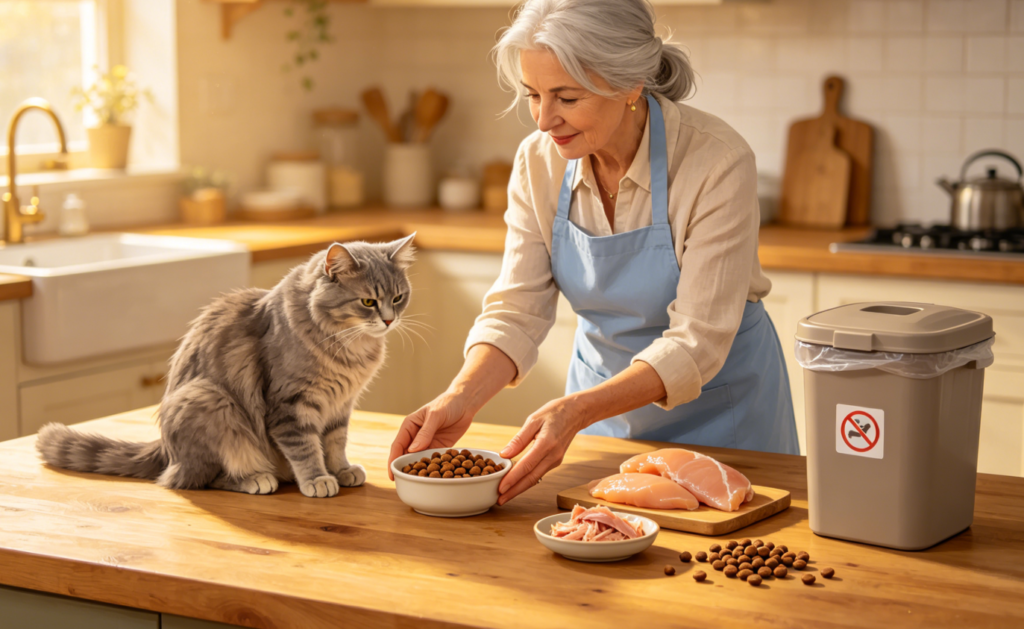
High-Quality Protein Senior cats need easily digestible, high-quality protein to maintain muscle mass and fight sarcopenia (age-related muscle loss). Look for real animal sources like chicken, turkey, salmon, or tuna as the first ingredients. Aim for diets with 30–40% protein on a dry matter basis for healthy seniors.
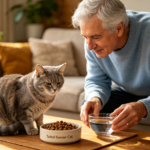
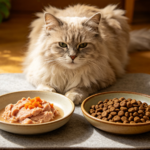
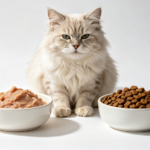
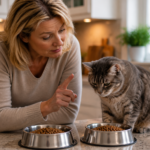
Wet Food and Hydration Wet or canned food is highly recommended because it provides much-needed moisture. Many senior cats drink less water, increasing the risk of kidney problems and urinary tract issues. Wet food helps with hydration, supports kidney function, and is gentler on teeth and digestion.
Joint and Immune Support Choose foods enriched with omega-3 fatty acids (from fish oil) for anti-inflammatory benefits and joint health. Antioxidants, B vitamins, and moderate fiber also help digestion and immunity. Senior-specific formulas from reputable brands often include these tailored nutrients.
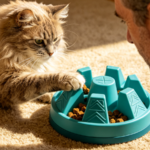
Controlled Portions and Frequent Meals Smaller, more frequent meals (3–4 per day) work better than one or two large ones. This helps maintain steady energy, prevents overeating, and accommodates reduced appetite common in older cats.
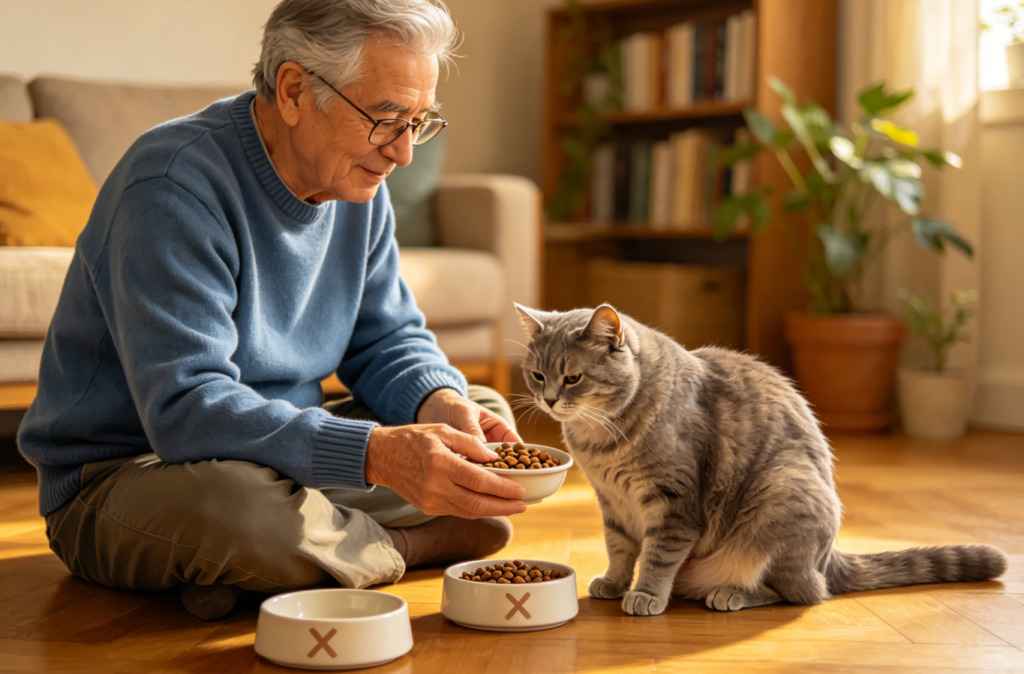
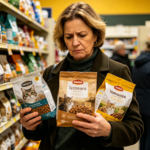
Popular senior-friendly options include commercial diets formulated for cats 11+ years, such as those with controlled phosphorus for kidney support.
What Senior Cats Should Avoid Completely
Toxic Human Foods Never feed onions, garlic, chives, chocolate, grapes, raisins, or anything containing caffeine. These can cause severe anemia, kidney failure, or toxicity even in small amounts.
Dairy Products Most cats are lactose intolerant. Milk, cheese, and ice cream often cause digestive upset, diarrhea, and stomach discomfort.
High-Risk Ingredients Avoid foods with low-quality fillers like corn, wheat, or soy as primary ingredients. Also steer clear of high-sodium or high-fat table scraps, which can worsen heart, kidney, or weight issues. Raw diets should only be used under veterinary supervision due to bacterial risks.
Non-Senior Formulas Regular adult cat food often contains higher phosphorus or less digestible proteins that can stress aging kidneys. Stick to senior or veterinarian-recommended diets.
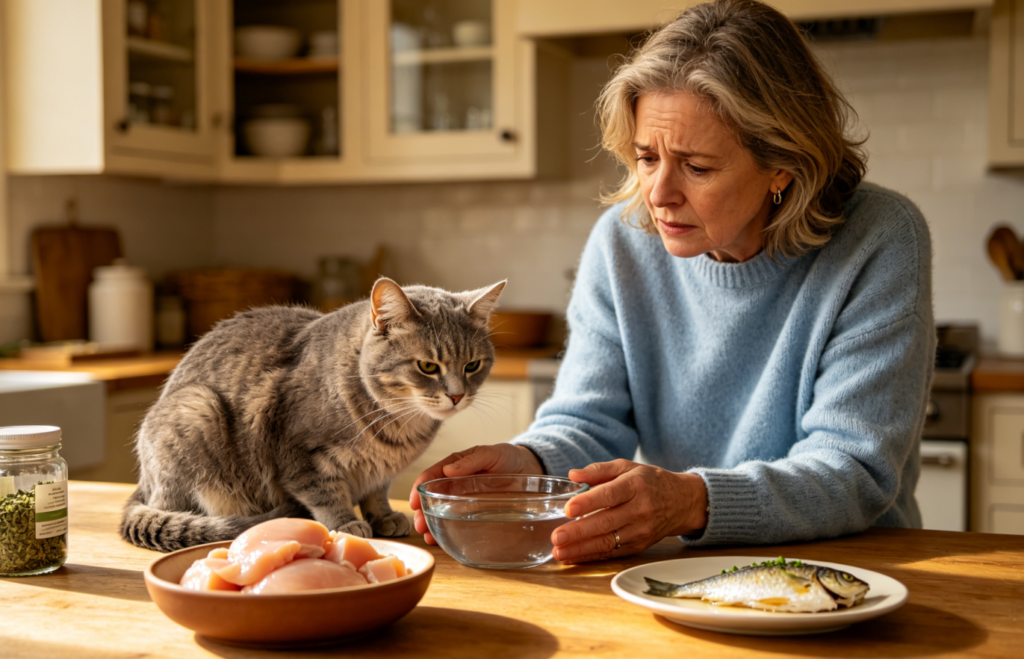
Practical Feeding Tips
- Transition to new foods gradually over 7–10 days.
- Monitor weight weekly and adjust portions.
- Always provide fresh water and consider a cat water fountain.
- Consult your veterinarian before making major diet changes, especially if your cat has conditions like CKD, diabetes, or arthritis. Prescription diets may be necessary in some cases.
Feeding your senior cat a balanced, thoughtful diet is one of the greatest gifts you can give. With the right nutrition and careful avoidance of harmful foods, many cats enjoy vibrant, happy lives well into their late teens or even twenties.