
































8-Step Guide to Caring for a Blind Senior Cat and Ensuring a Safe, Comfortable Life
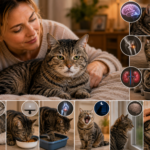
Discovering that your senior cat is losing their eyesight can be upsetting, but blindness does not mean a cat can no longer enjoy a happy and fulfilling life. Cats are incredibly adaptable animals and often rely more on their hearing, smell, memory, and whiskers than many owners realize. With the right care and a few adjustments around the home, a blind senior cat can remain confident, comfortable, and safe.
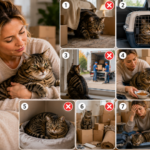
Here is an 8-step guide to helping your blind elderly cat thrive.
1. Keep the Home Layout Consistent
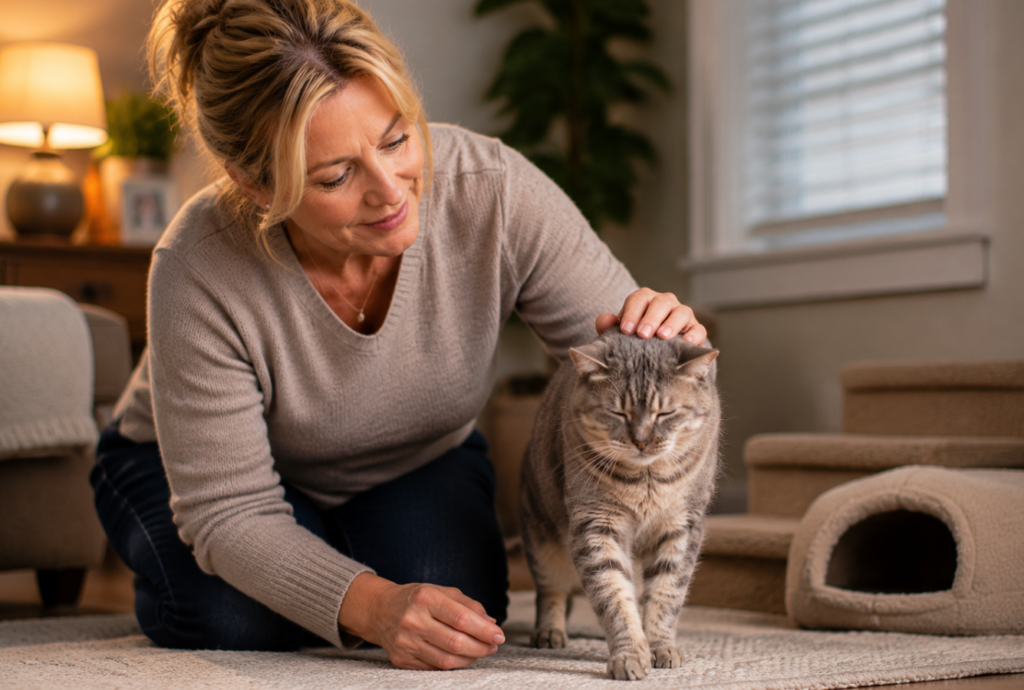
One of the most important things you can do is avoid moving furniture unnecessarily. Blind cats memorize the layout of their environment and use memory to navigate. Frequently rearranging rooms can create confusion and increase the risk of accidents.
Try to keep food bowls, litter boxes, beds, and favorite resting areas in the same locations.
2. Create Clear and Safe Pathways
Remove clutter, loose cords, and objects that could become obstacles. Ensure your cat has easy access to important areas of the home without needing to navigate unnecessary hazards.
Keeping walkways clear helps build confidence and reduces stress.
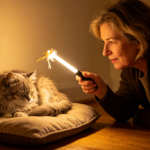
3. Use Sound and Voice Cues
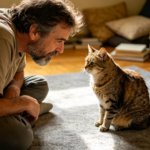
Since blind cats rely heavily on hearing, speaking gently before approaching them can prevent startling. Many owners also use verbal cues during feeding, playtime, or bedtime routines.
Some toys that make sounds, such as bells or crinkling materials, can also help blind cats enjoy interactive play.
4. Make Food and Water Easy to Find
Blind cats may struggle if food bowls are moved frequently. Keep feeding stations in consistent locations and consider placing textured mats underneath bowls to help your cat identify them through touch.
Fresh water should always be easily accessible.
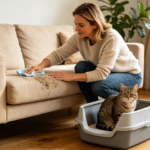
5. Provide Low-Entry Litter Boxes
Senior cats often experience mobility issues in addition to vision loss. Low-sided litter boxes are easier to enter and exit, reducing frustration and preventing accidents.
Avoid relocating litter boxes unless absolutely necessary.
6. Encourage Safe Mental and Physical Activity
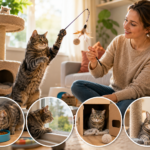
Blind cats still need enrichment and exercise. Toys with sounds, strong scents, or catnip can stimulate curiosity and keep the mind active. Gentle play sessions help maintain muscle tone and reduce boredom.
Window areas with fresh air and familiar sounds can also provide valuable stimulation.
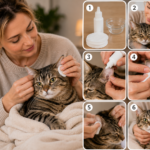
7. Schedule Regular Veterinary Checkups
Vision loss in senior cats is sometimes caused by underlying medical conditions such as high blood pressure, diabetes, glaucoma, or retinal disease. Routine veterinary visits help monitor overall health and manage conditions that may worsen over time.
Early treatment can sometimes slow additional vision-related complications.
8. Be Patient and Offer Reassurance
Blindness can be frightening at first, especially if vision loss occurs suddenly. Some cats may become more vocal, clingy, or cautious as they adjust. Patience, consistency, and positive reinforcement help build confidence.
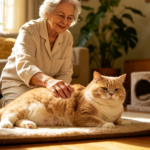
Avoid picking your cat up unexpectedly, and allow them to explore at their own pace.
Conclusion
Although blindness presents challenges, it does not prevent a senior cat from living a rich and rewarding life. With a stable environment, thoughtful adjustments, and plenty of love, blind cats can continue to navigate their homes successfully and enjoy strong bonds with their families.
By following these eight simple steps, owners can help ensure their blind senior cat remains safe, comfortable, independent, and happy throughout their golden years.
Related posts:
 10 Essential Tips to Create a Comfortable and Safe Space for Your Senior Cat
 10 Summer Care Tips to Protect Senior Cats From Heatstroke Every Pet Owner Should Follow
 Why Senior Cats Stop Playing and How to Encourage Them to Stay Active
 How Often Should Senior Cats Get Checkups and How to Prepare
 Top 7 Ways to Make Your Senior Cat Live Longer and Happier
 What Can Owners Do to Help Senior Cats Live Longer and Good Health
 How Often Should Senior Cats Visit the Vet? A Complete Health Check Guide
 Best Ways to Introduce a New Kitten to an Older Cat Successfully
 6 Simple Daily Routines to Help Extend Your Senior Cat’s Lifespan and Improve Quality of Life
 8 Solutions for Senior Cat Lethargy and Sleepiness to Restore Energy and Vitality