






10 Summer Care Tips to Protect Senior Cats From Heatstroke Every Pet Owner Should Follow
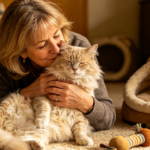
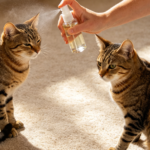
Senior cats, typically 10 years and older, are more vulnerable to heatstroke than their younger counterparts. Their reduced ability to regulate body temperature, combined with common age-related conditions like arthritis, heart disease, or respiratory issues, makes them especially at risk during hot summer months. Heatstroke can develop rapidly and become life-threatening, but with proactive care, you can keep your aging feline safe and comfortable all season long. Here are essential summer care tips every pet owner should follow.
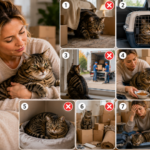
1. Keep Senior Cats Indoors During Peak Heat The simplest and most effective way to protect your cat is to keep them inside when temperatures rise. Avoid letting them outside between 10 a.m. and 4 p.m. on hot days. If your cat enjoys a catio or enclosed outdoor space, use it only during early morning or evening hours.
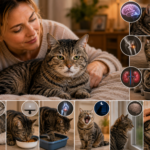
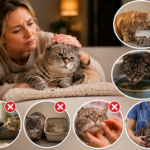
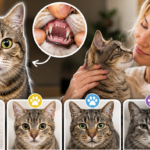
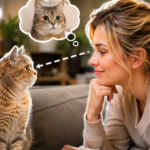
2. Recognize the Early Signs of Heatstroke Senior cats may not show obvious distress until the situation is serious. Watch for excessive panting (uncommon in cats), drooling, lethargy, red or pale gums, vomiting, rapid heartbeat, disorientation, or sweaty paws. If you notice any of these, move your cat to a cool area immediately and contact your veterinarian.
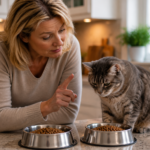
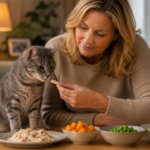
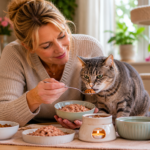
3. Provide Constant Access to Fresh, Cool Water Dehydration happens quickly in hot weather. Place multiple water bowls or pet fountains around the house in different rooms. Add ice cubes to the water or offer low-sodium tuna water to encourage drinking. Wet food can also help increase fluid intake.
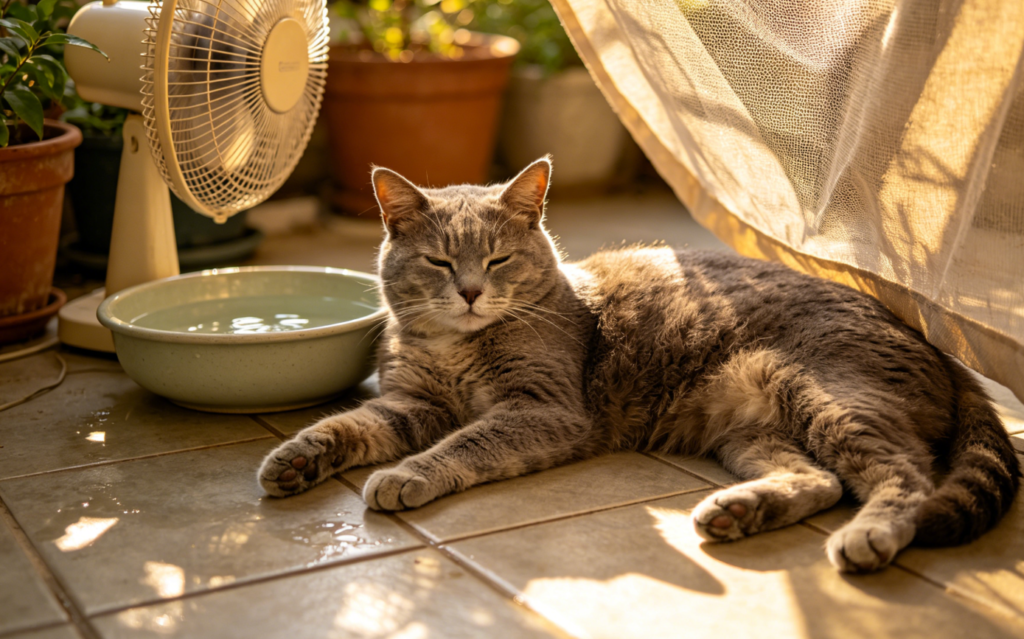
4. Create Cool Resting Spots Offer cool surfaces like tiled floors, cooling mats, or beds with frozen gel packs wrapped in towels. Position fans to create gentle airflow without blowing directly on your cat. Close curtains during the day to block sunlight and keep rooms cooler.
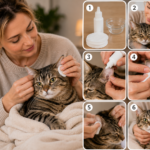
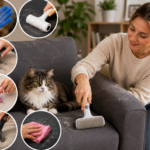
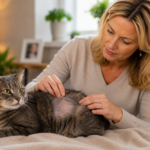
5. Maintain Proper Grooming Regular brushing removes loose fur and prevents mats that trap heat. For long-haired seniors, consult your vet about a safe summer trim. Never shave a cat completely, as their coat provides some protection from heat and sunburn, especially for light-colored cats.
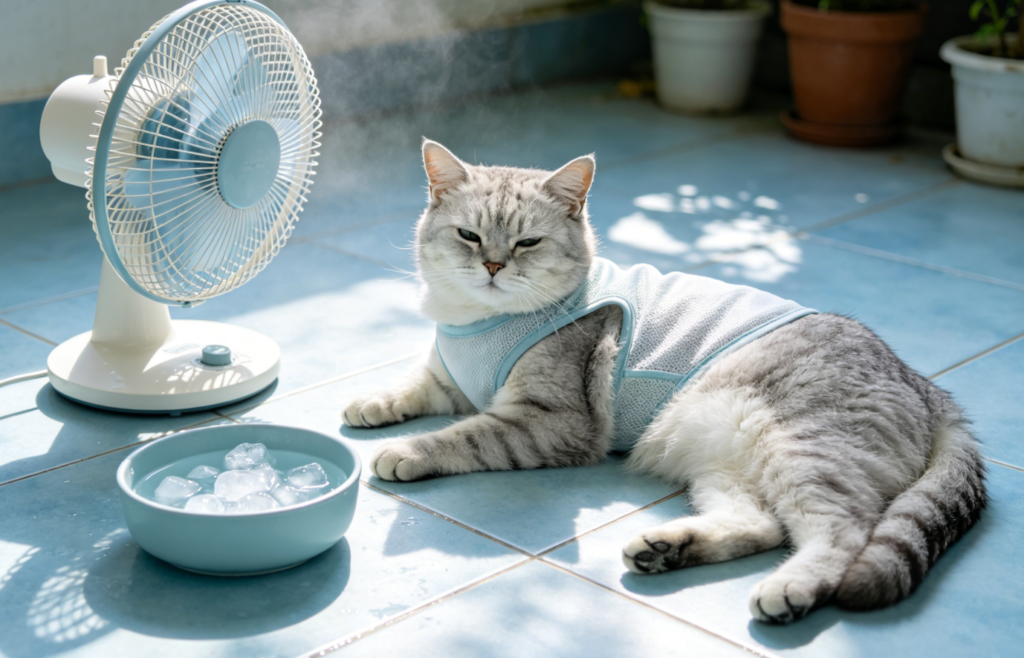
6. Use Air Conditioning or Alternative Cooling Methods Keep your home at a comfortable temperature, ideally below 80°F (27°C). If air conditioning isn’t available, use fans, damp towels, and good ventilation. Never leave your senior cat in a room that can become dangerously hot, such as a conservatory or sunny enclosed space.
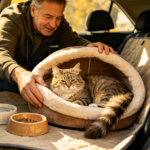
7. Never Leave Them in a Parked Car Temperatures inside a car can skyrocket within minutes, even with cracked windows. This rule applies on mild days too. Always check carriers and never leave your cat unattended in a vehicle.
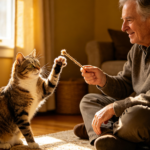
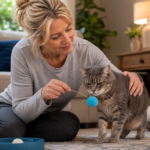
8. Adjust Feeding and Activity Serve meals during cooler parts of the day and avoid heavy play sessions in the heat. Senior cats need less exertion, so opt for gentle interaction and mental stimulation indoors. Monitor their appetite and weight, as heat can reduce eating and drinking.
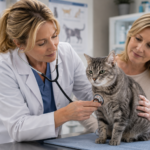
9. Schedule a Summer Veterinary Check-up Before summer heat intensifies, have your vet examine your senior cat. They can assess heart, lung, and kidney function and advise on any extra precautions. Overweight or brachycephalic (flat-faced) seniors need even closer monitoring.
10. Monitor Humidity and Overall Environment High humidity makes it harder for cats to cool down. Use a dehumidifier if needed and ensure good air circulation. Provide quiet, low-traffic areas where your senior cat can rest undisturbed.
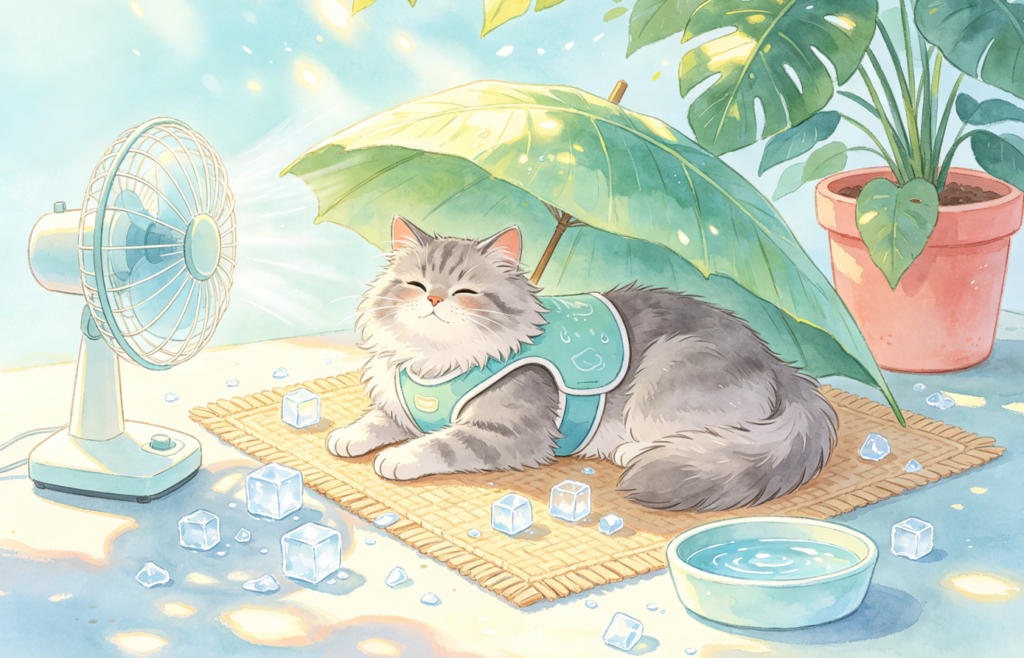
By following these summer care tips, you can greatly reduce the risk of heatstroke and help your senior cat enjoy the season safely. Pay close attention to changes in behavior, as seniors can decline quickly. With thoughtful preparation and daily vigilance, your beloved companion can stay cool, hydrated, and content throughout the summer months.
Remember, prevention is always better than emergency treatment. Your extra care during hot weather is a meaningful way to repay the years of companionship your senior cat has given you.
Related posts:
 Senior Cat Grooming Tips for Older Cats With Matted Fur
 How to Care for a Senior Cat in Its Final Years: Essential Tips Every Cat Owner Should Know
 10 Essential Tips to Create a Comfortable and Safe Space for Your Senior Cat
 Why Senior Cats Stop Playing and How to Encourage Them to Stay Active
 How Often Should Senior Cats Get Checkups and How to Prepare