

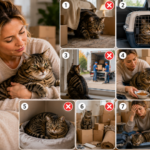


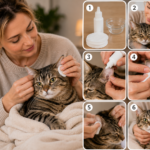
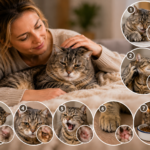






















7 Mistakes When Switching a Senior Cat’s Diet and How to Avoid Them
As cats enter their senior years, their nutritional needs often change. Health conditions, reduced activity levels, dental issues, and aging organs may require adjustments to their diet. However, changing a senior cat’s food incorrectly can lead to digestive problems, stress, and even refusal to eat. Understanding the most common mistakes can help ensure a smooth and healthy transition.
Here are seven mistakes owners often make when switching a senior cat’s diet—and how to avoid them.
1. Changing Food Too Quickly
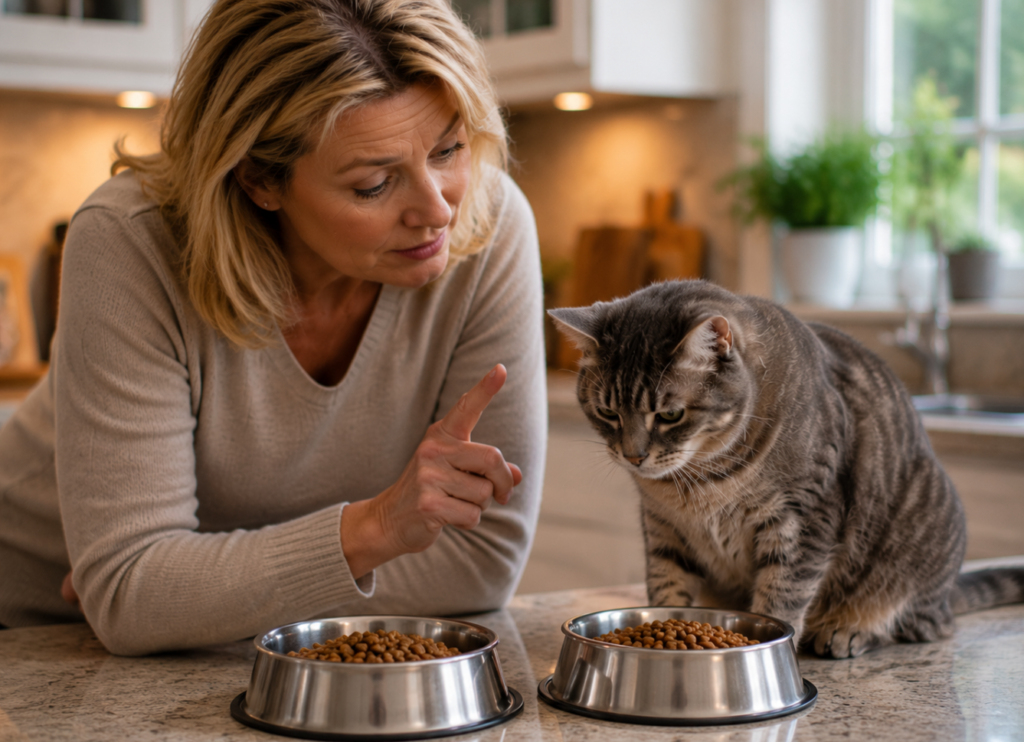
One of the biggest mistakes is switching from one food to another overnight. A sudden dietary change can upset a senior cat’s digestive system, causing vomiting, diarrhea, or loss of appetite.
Instead, gradually introduce the new food over 7–10 days by slowly increasing the proportion of new food while decreasing the old food.
2. Ignoring Underlying Health Conditions
Many owners switch foods based on marketing claims without considering their cat’s specific health needs. Senior cats commonly suffer from kidney disease, diabetes, obesity, or digestive disorders that may require specialized diets.
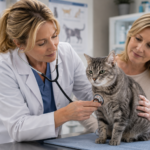
Always consult a veterinarian before making major dietary changes, especially if your cat has existing medical conditions.
3. Choosing Food Based Only on Price
While budget matters, selecting the cheapest option may not provide the nutrition an aging cat needs. Senior cats require high-quality protein, balanced nutrients, and easily digestible ingredients to support overall health.
Investing in a quality senior formula can help maintain energy levels and muscle mass.
4. Overlooking Hydration Needs
Many senior cats are prone to dehydration, particularly those with kidney issues. Owners sometimes switch foods without considering moisture content.
Incorporating wet food or adding water to meals can improve hydration and support urinary and kidney health.
5. Not Monitoring Appetite and Weight
After changing diets, some owners assume everything is fine as long as the cat is eating. However, it is important to monitor food intake, body weight, and overall condition.
Unexpected weight loss, reduced appetite, or digestive problems may indicate that the new food is not suitable.
6. Ignoring Dental Problems
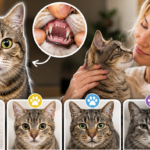
Senior cats with dental disease may struggle to chew certain foods. Switching to a harder kibble or unfamiliar texture can make eating uncomfortable.
If your cat has missing teeth, gum disease, or chewing difficulties, softer foods may be a better option. A dental checkup can help identify any underlying issues.
7. Expecting Immediate Acceptance
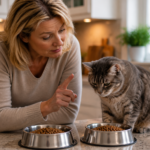
Cats are creatures of habit, and many senior cats are particularly resistant to change. Some owners become frustrated when a cat refuses a new food after only one or two attempts.
Patience is important. Offering the new food gradually and warming wet food slightly to enhance its aroma can encourage acceptance.
Conclusion
Switching a senior cat’s diet can provide important health benefits, but it should always be done carefully. Avoiding these seven common mistakes can reduce stress, prevent digestive upset, and help your cat adjust successfully to a new feeding routine.
By introducing food gradually, considering medical needs, monitoring your cat closely, and working with your veterinarian, you can ensure that dietary changes support a healthier, happier life for your senior feline companion.
Related posts:
 The Ultimate Diet Plan for Senior Cats: Tailored Nutrition for Every Age Stage (11+ Years)
 What Senior Cats Should Eat and Avoid Completely: The Ultimate Guide to Safe Nutrition for Aging Cats
 Senior Cat Diet: What to Feed and What to Avoid Every Cat Owner Needs to Know
 Best Senior Cat Food 2026: What Every Owner Should Buy
 What Human Foods Can Senior Cats Eat Safely? A Helpful Guide for Owners
 7 Practical Tips to Improve Your Senior Cat’s Appetite and Encourage Healthy Eating
 6 Dangerous Foods You Must Never Feed Senior Cats for Their Safety and Health
 Best Treats for Senior Cats With Sensitive Stomachs to Prevent Upset Digestion
 How Much Water Should a Senior Cat Drink Daily and How to Encourage More Water Intake
 Top Joint Supplements for Senior Cats to Reduce Pain and Improve Movement