





























The Ultimate Diet Plan for Senior Cats: Tailored Nutrition for Every Age Stage (11+ Years)
As cats enter their senior years starting around age 11, their nutritional needs shift significantly. Metabolism slows, muscle mass can decline, and the risk of conditions like chronic kidney disease, arthritis, and dental issues increases. A well-tailored diet helps maintain vitality, support organ function, and improve quality of life. The key is personalization—every cat ages differently.
Early Senior Stage (11–14 Years)
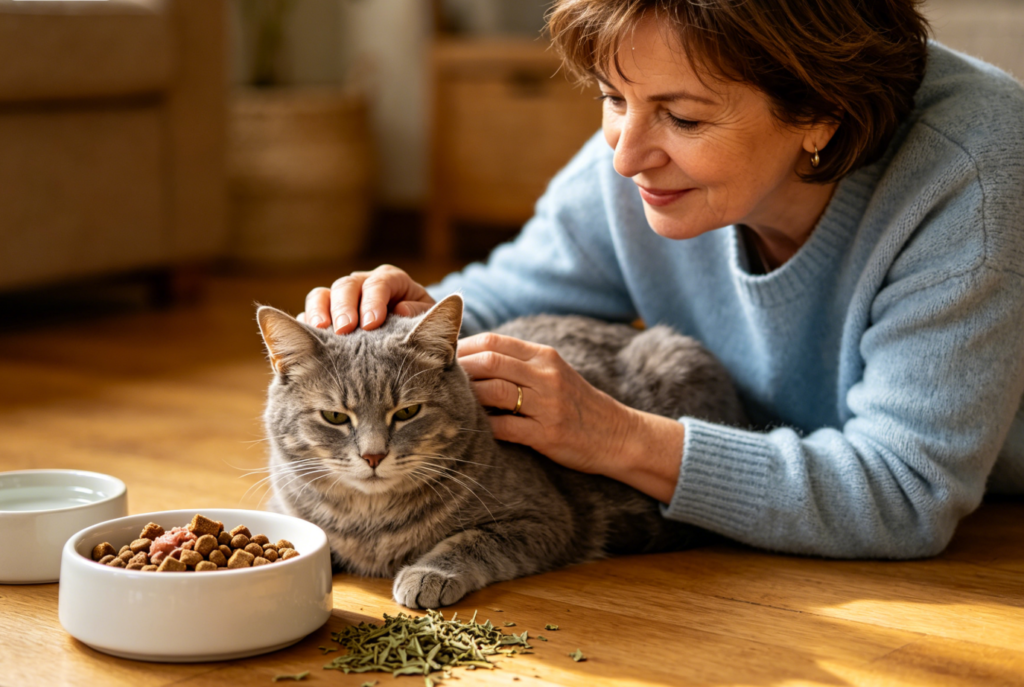
Many cats remain active in this phase but may start gaining weight due to reduced activity. Focus on weight management while preserving muscle.
- Protein: Prioritize high-quality, easily digestible sources (chicken, turkey, fish) at 30–40% on a dry matter basis to maintain lean muscle.
- Calories: Slightly reduce intake—around 15–20 calories per pound of body weight daily—to prevent obesity.
- Fat & Fiber: Moderate healthy fats and added fiber support digestion and satiety.
- Hydration: Encourage wet food or add water to meals, as kidney function may begin to decline.
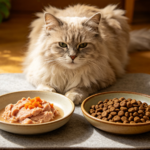
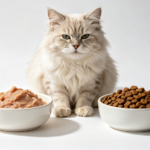
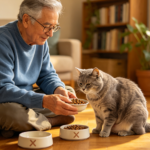
Recommended approach: A commercial senior formula or a mix of wet and dry food. Divide into 3–4 small meals per day.
Mid-to-Late Senior Stage (15–18 Years)
Appetite and digestion may become more delicate. Some cats lose weight and muscle tone.
- Increase calorie density if weight loss occurs while keeping protein high.
- Phosphorus control: Choose diets with moderated phosphorus to support kidney health, especially if early CKD is present.
- Add omega-3 fatty acids (from fish oil) for joint support and anti-inflammatory benefits.
- Antioxidants and B vitamins help boost immunity and energy.
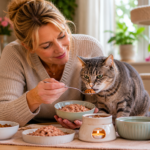
Many cats thrive on highly digestible senior-specific foods. For picky eaters, warming food slightly or adding low-sodium broth can improve appeal.
Super Senior Stage (19+ Years)
Very elderly cats often need extra support to combat sarcopenia (muscle loss).
- Higher protein and calorie needs to maintain body condition.
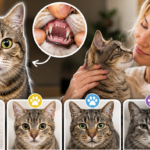
- Soft or pate-style wet foods ease chewing if dental disease is present.
- Frequent small meals (4–6 per day) accommodate smaller stomachs and reduced appetite.
General Guidelines for All Senior Cats
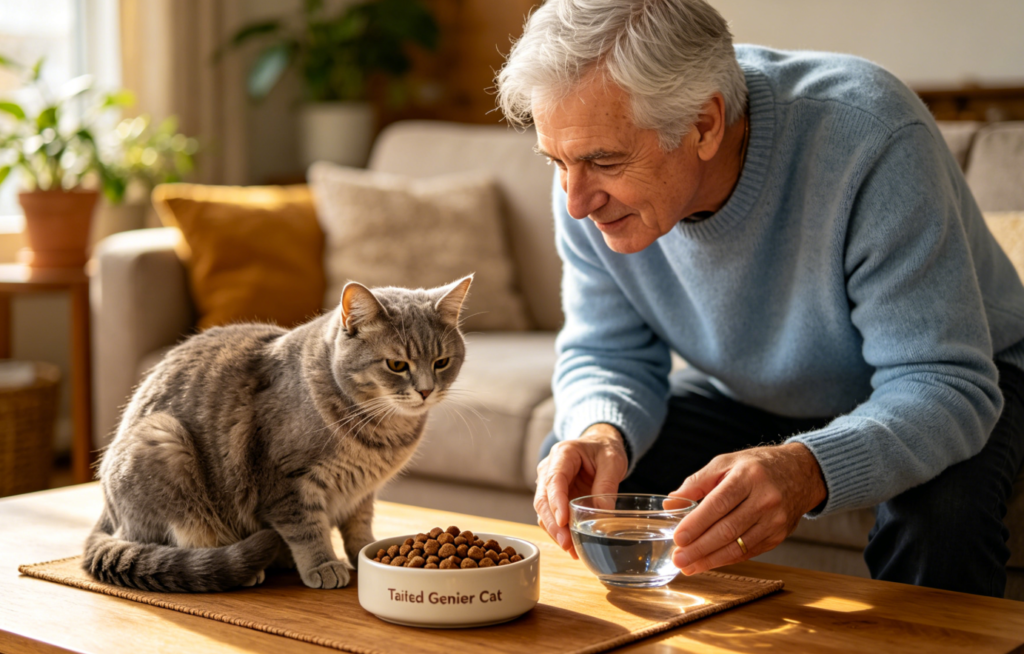
- Hydration is critical: Wet food is usually superior to dry for senior cats.
- Portion control: Weigh your cat regularly and adjust calories accordingly. Consult your vet for precise calculations.
- Special conditions: Cats with diagnosed kidney disease often need prescription renal diets lower in phosphorus and protein. Arthritis benefits from joint-support supplements like glucosamine and chondroitin (vet-approved only).
- Transition slowly: Change foods gradually over 7–10 days to avoid digestive upset.
- Supplements: Only use vet-recommended ones—never add randomly.
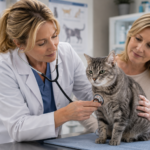
Always base your cat’s diet on regular veterinary check-ups, including bloodwork. What works at age 12 may need adjustment by age 17. High-quality commercial senior foods from reputable brands provide balanced nutrition, but some cats do well on vet-formulated or carefully balanced homemade meals (with professional guidance).
By offering tailored nutrition, you help your senior cat enjoy comfortable, active golden years. Small adjustments in diet can lead to big improvements in energy, coat quality, and overall happiness.