









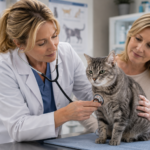



6 Reasons Why Senior Cats Refuse to Play Anymore and How to Encourage Activity
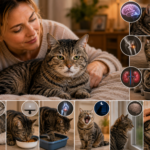
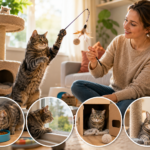
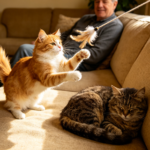
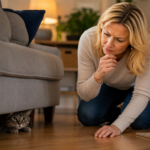
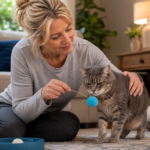
If you live with a senior cat, you must have noticed a huge shift in their daily behavior. When they were young, they would chase feather toys, pounce on small balls and dash around the room nonstop. But as they enter their golden years, most older cats gradually turn down playful activities. This is not because they become lazy. It is mainly caused by natural physical aging and inner emotional changes. Below are six common reasons behind this transformation.
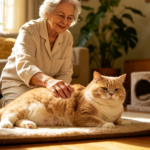
First of all, aging leads to a sharp drop in energy. A senior cat’s metabolism slows down greatly with time. They get exhausted far more easily than before. Energetic running, jumping and chasing burn too much stamina, so they choose to conserve energy and spend most of their time resting.
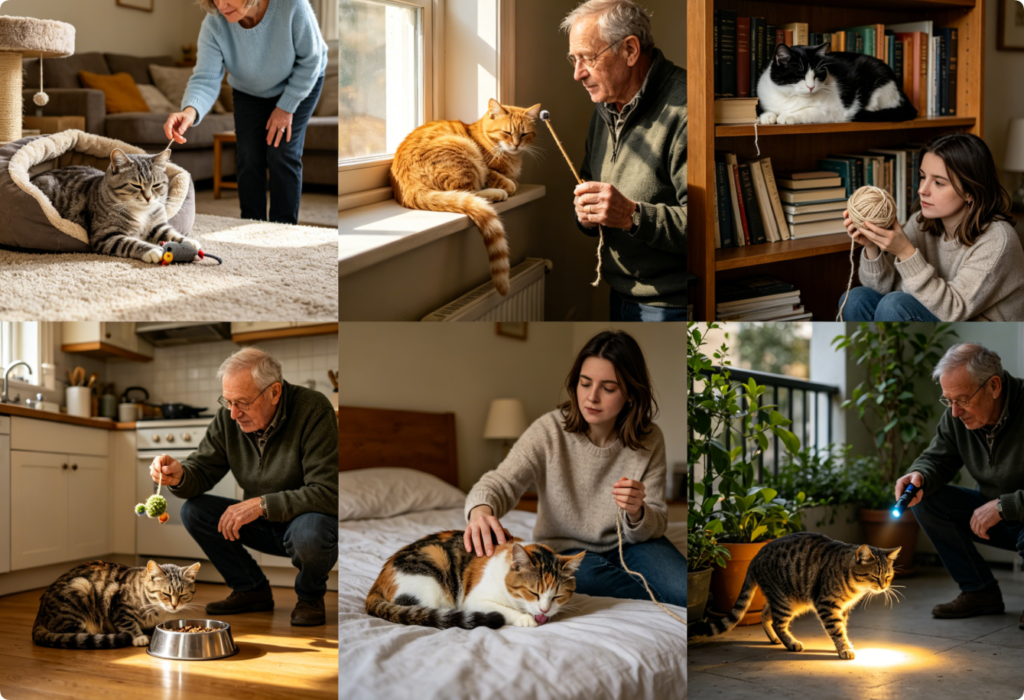
Secondly, joint pain and arthritis trouble most senior felines. Long-term movement wears out their joints, bringing constant stiffness and soreness. Any quick jump or sprint will worsen the pain. To stay comfortable, they actively avoid all active games.
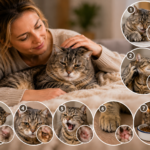
Thirdly, weakened senses kill their interest in playing. Many older cats have poor eyesight and fading hearing. They can no longer clearly see moving toys or hear the sound of playful gadgets. Without the ability to interact with toys, they naturally lose the will to play.
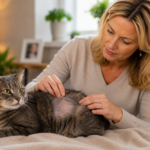
Fourthly, chronic health issues affect their mood and strength. Kidney problems, thyroid disorders and other age-related illnesses are quite prevalent. These conditions bring persistent discomfort and weakness, leaving them no energy or desire for fun.
Fifthly, their personality changes as they grow old. Young cats play out of curiosity and a desire to explore. Senior cats are fully familiar with their home environment, so their eagerness to explore and chase slowly fades away.
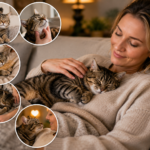
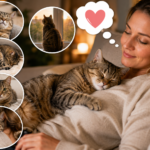
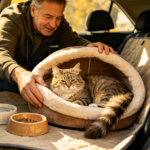
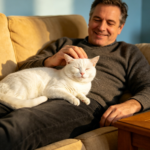
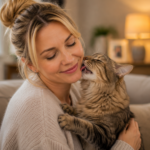
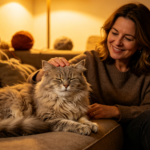
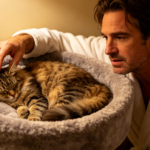
Lastly, they gain inner peace and contentment. Senior cats feel safe and secure living beside their owners. They no longer need games to kill boredom. What they crave most is quiet companionship and a warm place to relax.
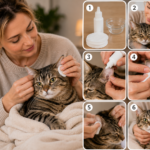
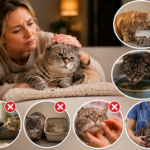
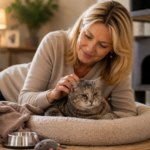
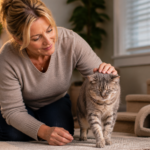
As pet owners, we should accept this normal change. Never force your aging cat to play. Gentle petting and warm cuddles are better gifts for them. Learning about their physical and emotional needs is the key to taking good care of your beloved senior cat.
Related posts:
 How to Bond With Your Senior Cat Deeply in Their Golden Years
 Getting a New Pet? How to Help Your Senior Cat Accept It
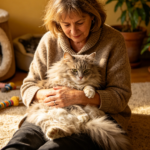 Do Senior Cats Get Lonely? Common Signs and Practical Ways to Comfort Them
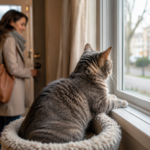 Do Senior Cats Miss You More When You’re Away? Understanding Emotional Attachment in Aging Cats
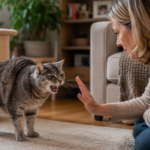 Why Older Cats Become Aggressive and What Owners Should Know
 How to Keep a Bored Senior Cat Entertained and Mentally Stimulated All Day
 7 Gentle Games for Senior Indoor Cats That Promote Exercise and Mental Stimulation
 5 Effective Ways to Calm an Anxious Senior Cat: Simple Home Remedies & Care Tips
 6 Great Ways to Bond Closer With Your Senior Cat: Easy Daily Bonding Tips for Aging Felines
 Best Cat Breeds for Families with Kids: Friendly, Gentle, and Easygoing Cats