








9 Easy Tips to Keep Senior Cats Active, Healthy, and Happy Every Day
As cats age, maintaining their physical and mental well-being becomes increasingly important. Senior cats naturally slow down and may become less playful, but this doesn’t mean they shouldn’t stay active and engaged. With small daily adjustments, owners can help their aging cats remain healthy, energetic, and emotionally fulfilled.
1. Provide Gentle Exercise
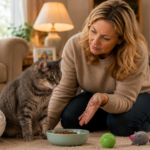
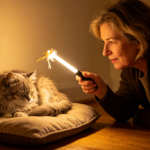
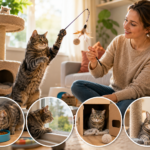
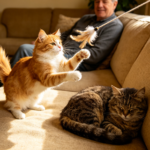
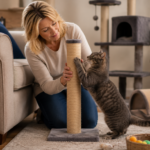
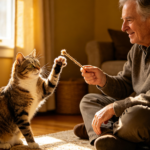
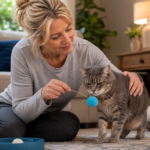
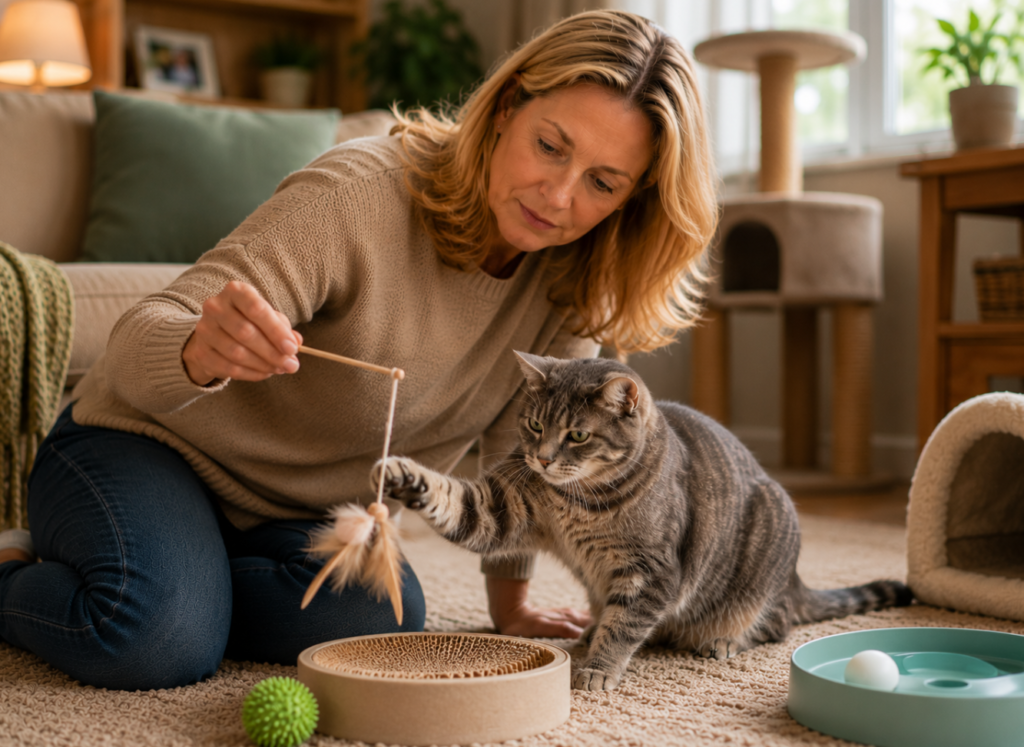
Even older cats benefit from regular activity. Short, gentle play sessions using feather wands, soft balls, or interactive toys can keep muscles strong, support joint health, and prevent weight gain. Avoid overexertion and observe your cat’s comfort levels during play.
2. Encourage Mental Stimulation
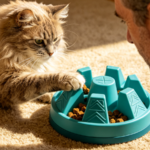
Mental engagement is just as important as physical activity. Puzzle feeders, treat-dispensing toys, or interactive games can stimulate curiosity and prevent boredom. Rotating toys regularly keeps your senior cat interested and challenged.
3. Offer Balanced Nutrition
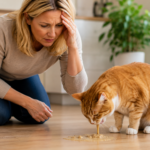
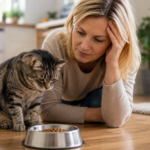
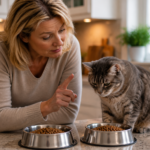
High-quality, age-appropriate cat food provides essential nutrients for maintaining muscle, joint, and overall health. Wet food can improve hydration, while diets with added omega-3 fatty acids support joint and skin health. Consult your veterinarian for dietary recommendations tailored to your cat’s specific needs.
4. Keep Fresh Water Available
Senior cats are prone to dehydration, which can affect kidney and urinary health. Ensure clean water is always available in multiple locations. Some cats prefer pet fountains, which encourage them to drink more regularly.
5. Maintain a Safe and Comfortable Environment
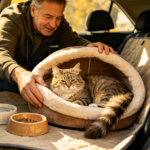
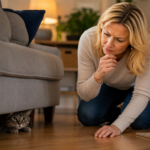
Provide easy access to food, water, litter boxes, and favorite resting spots. Soft beds, ramps, and non-slip rugs can help cats with mobility issues feel more secure and encourage gentle movement.
6. Monitor Health Closely
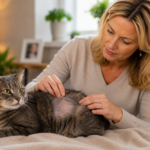
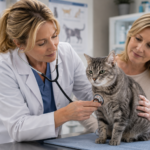
Frequent veterinary checkups are essential for early detection of common senior cat health issues, including kidney disease, arthritis, diabetes, and dental problems. Keep track of changes in appetite, weight, litter box habits, or behavior and report them promptly to your vet.
7. Support Dental Health
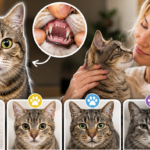
Oral health affects overall wellness. Regular brushing, dental treats, and veterinary dental exams can prevent painful infections, tooth loss, and decreased appetite. Comfortable chewing encourages continued food intake and proper nutrition.
8. Foster Social Interaction
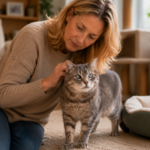
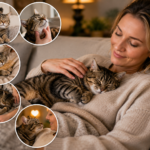
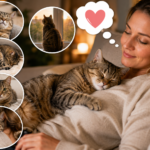
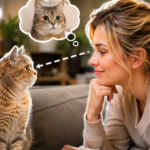
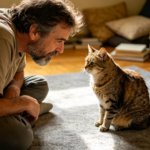
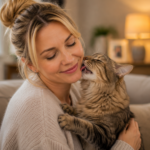
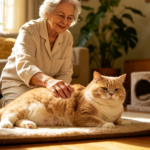
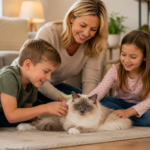
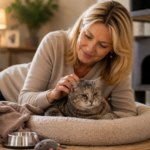
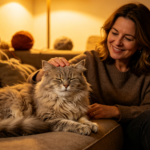
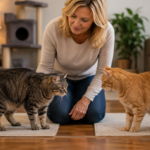
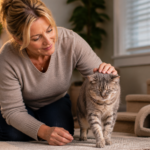
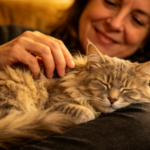
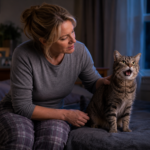
Many senior cats enjoy quiet companionship, gentle petting, or sitting near their owners. Interaction helps maintain emotional well-being, reduces stress, and strengthens the bond between cat and owner. Observe your cat’s preferences and respect their need for rest or privacy.
9. Encourage Restful Sleep
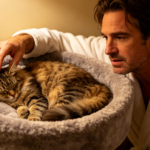
Adequate rest is crucial for aging cats. Provide cozy, warm, and quiet sleeping areas that allow uninterrupted sleep. Rotating resting spots or providing beds in sunlit areas can enhance comfort and relaxation.
By integrating these simple tips into daily routines, owners can significantly improve their senior cat’s quality of life. Active, mentally stimulated, and emotionally supported cats are healthier, happier, and more confident. With thoughtful care, aging cats can continue enjoying a rich, fulfilling life in their later years.
Prioritizing movement, nutrition, mental engagement, and comfort ensures that your senior cat remains vibrant and well-cared-for every day.
Related posts:
 Top 10 Tips to Help Your Senior Cat Thrive in Their Golden Years and Improve Your Senior Cat’s
 Best Ways to Keep Your Senior Cat Healthy, Happy, and Active
 Why Is My Senior Cat Constipated? Common Causes and Solutions Explained
 10 Common Health Problems in Senior Cats You Should Never Ignore
 Common Senior Cat Health Problems You Should Never Ignore
 Why Is My Senior Cat Losing Weight Suddenly? Top Health Reasons and How to Help
 Why Your Senior Cat Meows at Night: Health Reasons Explained
 How Often Should Senior Cats Visit the Vet? A Complete Health Check Guide
 Does Your Senior Cat Have Arthritis? Quiet Signs You Shouldn’t Ignore
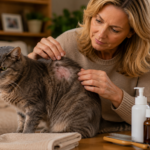 Senior Cat Skin Issues: Why Your Feline Itches & Develops Bald Spots, Plus Practical Treatments