

































Do Senior Cats Get Lonely? Common Signs and Practical Ways to Comfort Them
Many cat owners assume their independent senior cats don’t feel loneliness, but the truth is: senior cats (11 years and older) can and do experience loneliness, especially as their world changes. Unlike younger cats, seniors often rely on routine, familiarity, and gentle companionship—disruptions to their daily life or lack of interaction can leave them feeling isolated and stressed. Loneliness in senior cats isn’t just emotional; it can lead to physical health issues like reduced appetite, lethargy, and weakened immunity. Knowing the common signs of loneliness and simple ways to comfort your senior cat is key to supporting their emotional well-being and overall health.
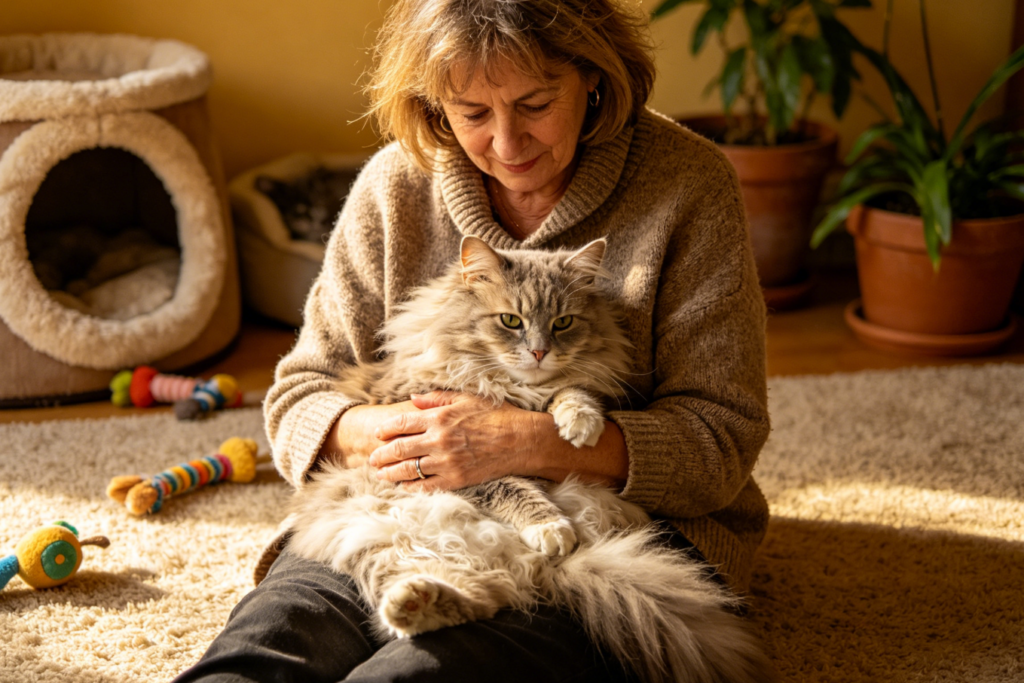
First, the answer to the question: Yes, senior cats absolutely get lonely. Their loneliness often stems from changes: a busy owner who spends less time at home, the loss of a fellow pet companion, or a shift in their routine. Seniors have more sensitive emotions and less energy to adapt to change, making them more prone to feeling isolated.
Recognizing the signs of loneliness in senior cats is crucial—they won’t tell you directly, so you’ll need to watch for behavioral and physical cues:
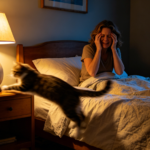
- Increased vocalization: Meowing, yowling, or crying more often, especially at night, as a way to seek attention.
- Withdrawal: Hiding in quiet, isolated spots and avoiding interaction with you or other pets.
- Changes in appetite: Eating less than usual or losing interest in food altogether.
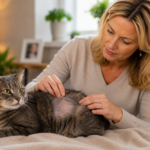
- Over-grooming or under-grooming: Excessive licking or neglecting their coat, typical signs of stress.
- Excessive sleeping: Lonely cats tend to sleep far more to escape boredom and sadness.
Fortunately, there are practical, gentle ways to comfort a lonely senior cat, tailored to their physical and emotional needs.
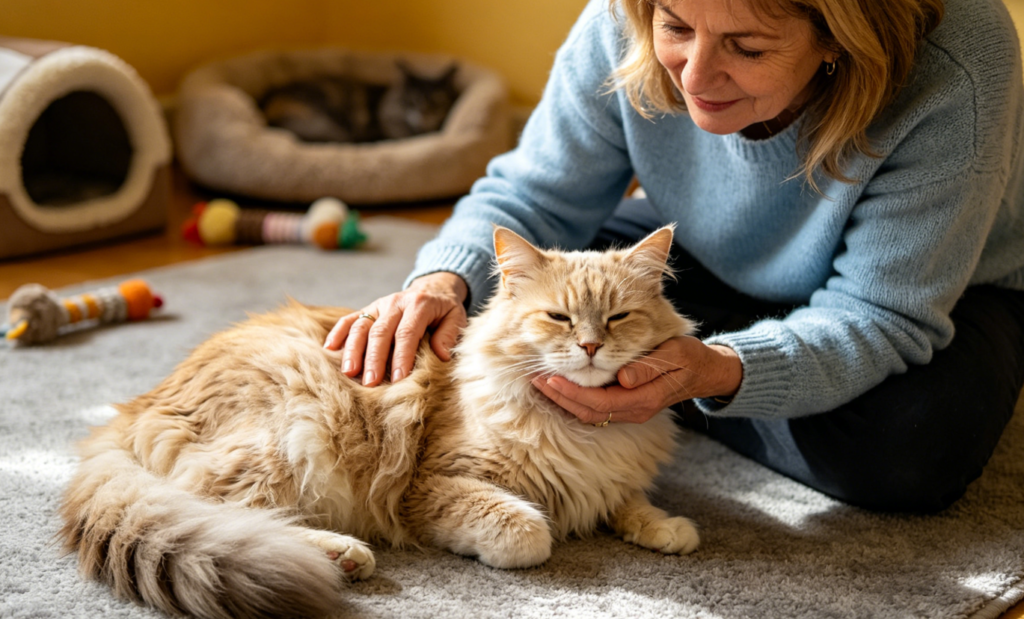
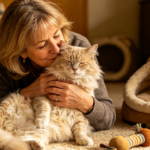
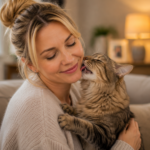
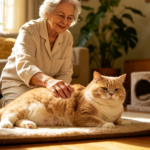
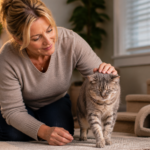
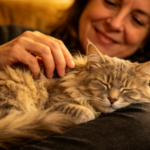
- Spend quality quiet time together: Even 10 to 15 minutes of daily company works well. Sit beside your cat, stroke their fur softly or speak to them in a mild tone. Warm touch and familiar voices can greatly ease their uneasy feelings. Avoid high-energy play that may tire them out.
- Keep a stable daily routine: Aging cats feel safe with fixed schedules. Maintain regular feeding time, rest time and relaxing interaction time, and try not to rearrange furniture or change living habits casually.
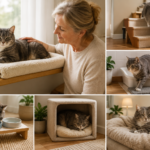
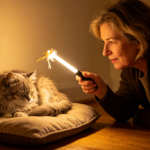
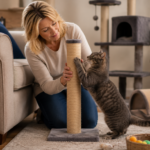
- Offer proper mental entertainment: Prepare easy slow-moving toys and food puzzle toys to kill their spare time. Place a soft cushion by the window so they can watch outdoor scenery, which effectively relieves loneliness.
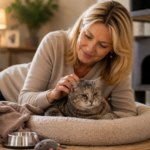
- Build a warm private resting area: Arrange soft warm beds in quiet and accessible corners. Put clothes with your daily scent on their bed to bring them a strong sense of security.
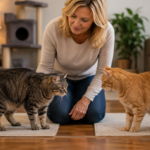
- Arrange mild pet companionship properly: If your senior cat is gentle and sociable, you can adopt another calm old cat to stay with them. Take it slow during introduction to avoid causing extra stress.
Every senior cat has a unique personality. Some long for more company, while others prefer quiet staying together. Observe their moods and behaviors carefully, and give them targeted care. Early detection of lonely emotions and timely gentle comfort will let your aging cat spend its later life warm, peaceful and joyful.