
























7 Big Mistakes New Senior Cat Owners Always Make and How to Avoid Them
Caring for a senior cat can be incredibly rewarding, but many first-time owners underestimate how different elderly cats’ needs are compared to younger cats. Aging cats often require extra patience, medical attention, and lifestyle adjustments to remain healthy and comfortable. Unfortunately, some common mistakes can negatively affect a senior cat’s quality of life without owners even realizing it.
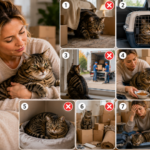
Here are seven common mistakes new senior cat owners often make — and how to avoid them.
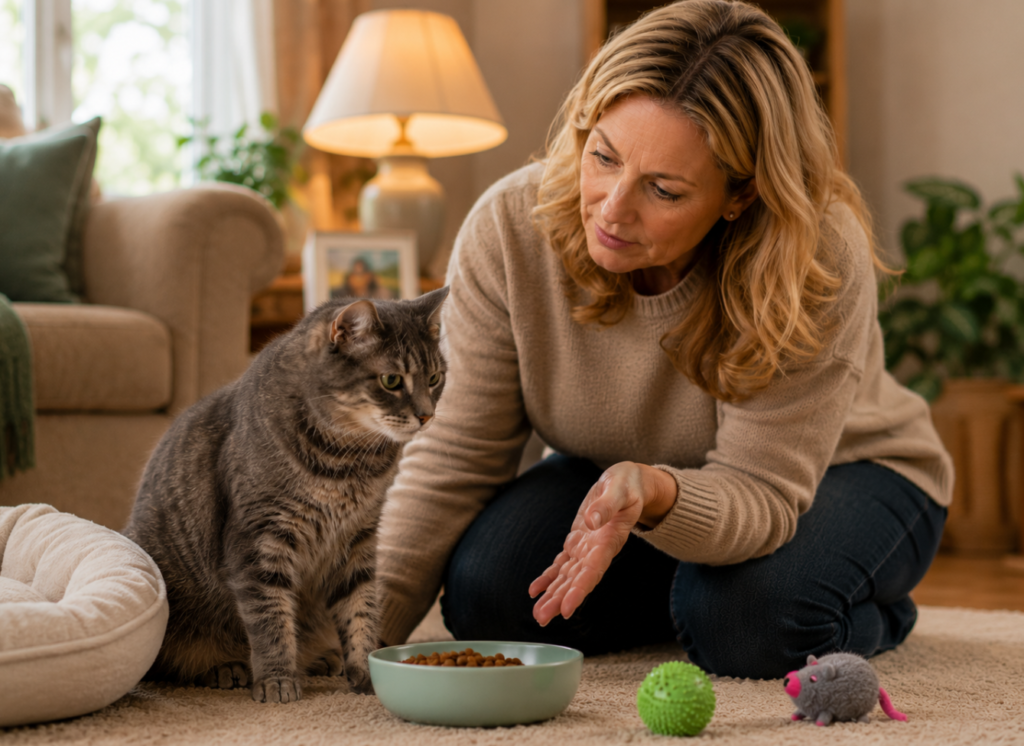
1. Assuming Slowing Down Is “Just Old Age”
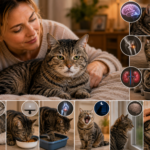
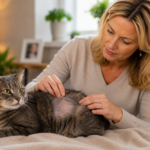
Many owners believe reduced activity, sleeping more, or avoiding jumps are simply normal aging behaviors. While some slowing down is expected, these changes may also indicate arthritis, pain, or illness. Senior cats are experts at hiding discomfort, so subtle symptoms should never be ignored.
Regular veterinary checkups help identify hidden health issues early before they become more serious.
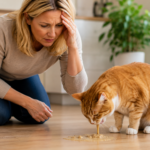
2. Ignoring Changes in Eating or Drinking Habits
Sudden appetite loss, increased thirst, or weight changes are often warning signs of kidney disease, diabetes, dental problems, or thyroid conditions. Some owners wait too long before seeking veterinary advice because the symptoms appear minor at first.
Monitoring daily habits closely can help owners detect health problems much earlier.
3. Feeding the Wrong Diet
Senior cats have different nutritional needs than younger cats. Some owners continue feeding the same food for years without adjusting for age-related changes. Older cats may need diets that support joint health, kidney function, digestion, or weight management.
High-quality senior cat food and proper hydration play major roles in healthy aging.
4. Forgetting About Dental Care
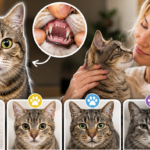
Dental disease is extremely common in elderly cats, but many owners overlook oral health entirely. Bad breath, drooling, difficulty chewing, or reduced appetite may indicate painful dental problems.
Routine dental exams and proper oral care can greatly improve a senior cat’s comfort and overall health.
5. Not Adjusting the Home Environment
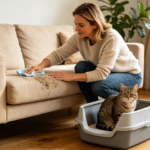
Many senior cats struggle with mobility issues, but owners sometimes fail to make simple changes around the home. High litter boxes, slippery floors, or difficult-to-reach sleeping areas may become stressful for aging cats.
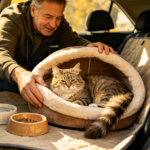
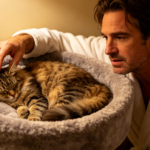
Soft beds, ramps, low-entry litter boxes, and non-slip rugs can make daily life much easier and safer.
6. Providing Too Little Mental Stimulation
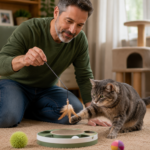
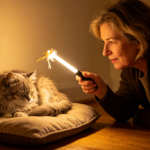
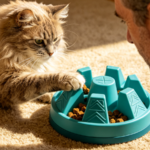
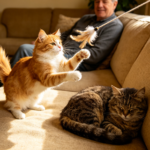
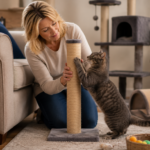
Some people assume older cats no longer need play or enrichment. In reality, boredom and loneliness can negatively affect a senior cat’s emotional health. Gentle play sessions, puzzle feeders, window perches, and regular interaction help keep elderly cats mentally stimulated and emotionally connected.
Even short periods of daily engagement can improve mood and activity levels.
7. Waiting Too Long to Visit the Vet
One of the biggest mistakes is delaying veterinary care when unusual symptoms appear. Cats naturally hide illness, and health conditions may progress quietly for weeks or months. By the time symptoms become obvious, the problem may already be advanced.
Routine wellness exams and early treatment often lead to better outcomes and improved quality of life.
Caring for a senior cat requires understanding, patience, and attention to detail. Aging cats may slow down physically, but they still need love, stimulation, and proper medical support to thrive.
By avoiding these common mistakes and responding quickly to changes, owners can help senior cats remain healthy, comfortable, and emotionally secure throughout their later years. With the right care, many elderly cats continue to enjoy happy and meaningful lives well into old age.
Related posts:
 Best Ways to Keep Your Senior Cat Healthy, Happy, and Active
 9 Easy Tips to Keep Senior Cats Active, Healthy, and Happy Every Day
 10 Essential Tips to Create a Comfortable and Safe Space for Your Senior Cat
 10 Summer Care Tips to Protect Senior Cats From Heatstroke Every Pet Owner Should Follow
 Why Senior Cats Stop Playing and How to Encourage Them to Stay Active
 How Often Should Senior Cats Get Checkups and How to Prepare
 Top 7 Ways to Make Your Senior Cat Live Longer and Happier
 What Can Owners Do to Help Senior Cats Live Longer and Good Health
 How Often Should Senior Cats Visit the Vet? A Complete Health Check Guide
 Best Ways to Introduce a New Kitten to an Older Cat Successfully