















Senior Cat Shedding: Causes, Excessive Hair Loss, and How to Stop It
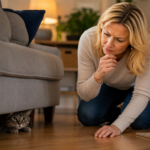
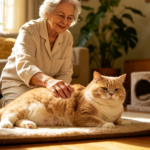
As cats enter their senior years—typically around 10–12 years and older—many owners notice more fur on furniture, clothes, and floors. While some shedding is completely normal, excessive hair loss in senior cats often signals underlying changes or health concerns that deserve attention. Understanding the causes can help you support your aging feline and keep their coat healthier.
Normal Shedding vs. Excessive Hair Loss
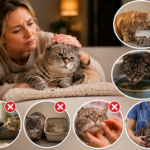
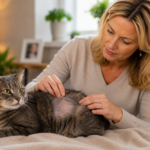
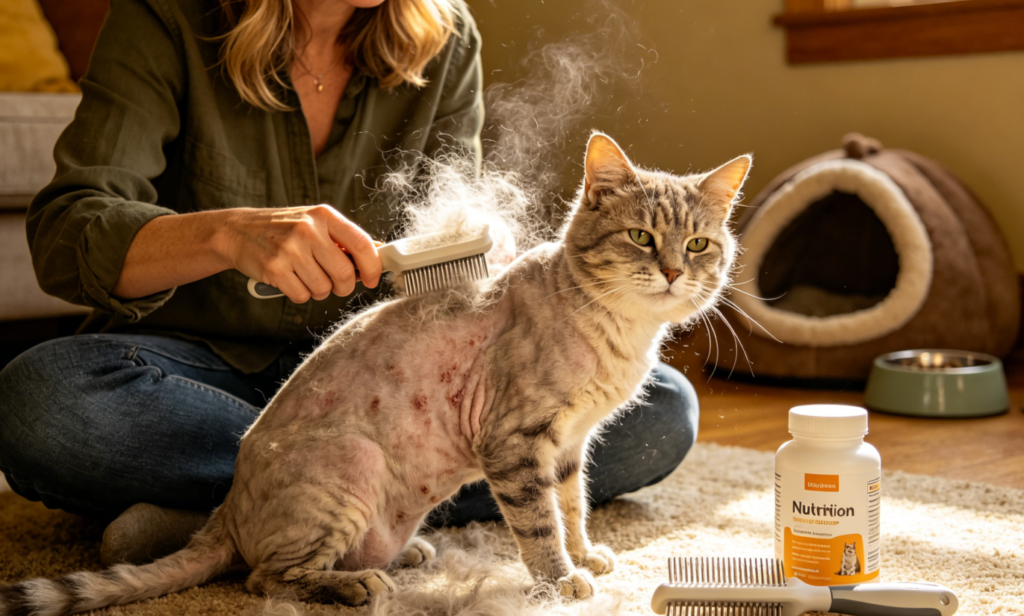
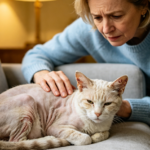
All cats shed as part of their natural hair growth cycle. Indoor senior cats may shed year-round, with possible increases during seasonal shifts. However, shedding becomes a problem when you see bald patches, thinning fur, skin irritation, or large clumps of hair coming out easily. Senior cats often appear to shed more because they groom themselves less effectively due to reduced flexibility, arthritis, or general stiffness.
Common Causes of Excessive Shedding in Senior Cats
- Reduced Grooming Ability: Arthritis and joint pain make it difficult for older cats to reach all areas of their body. Loose hair builds up and falls out in greater amounts.
- Skin and Coat Changes: Aging skin becomes thinner and less elastic with poorer circulation, leading to drier coats and increased shedding.
- Medical Conditions: Several senior-specific issues can trigger hair loss. Hyperthyroidism, kidney disease, diabetes, and hormonal imbalances are common culprits. Allergies, skin infections (bacterial or fungal), and parasites like fleas or mites can also cause irritation and over-grooming or scratching.
- Diet and Nutrition: Low-quality food lacking essential proteins, omega-3 and omega-6 fatty acids can result in a dull, shedding coat. Poor nutrition affects skin health directly.
- Stress and Other Factors: Changes in the household, anxiety, or even cognitive dysfunction (feline dementia) may lead to stress-related over-grooming and hair loss.
When to Visit the Vet
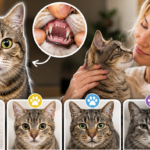
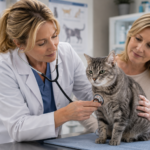
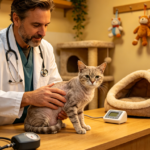
Schedule a check-up if shedding is sudden, accompanied by weight loss, increased thirst, appetite changes, bald spots, redness, or odor. Senior cats benefit from more frequent vet visits (every 6 months) to catch issues early. Your vet may run blood tests to rule out thyroid, kidney, or other systemic problems.
How to Reduce Shedding and Support Your Senior Cat
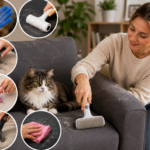
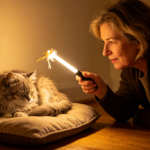
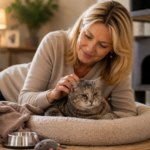
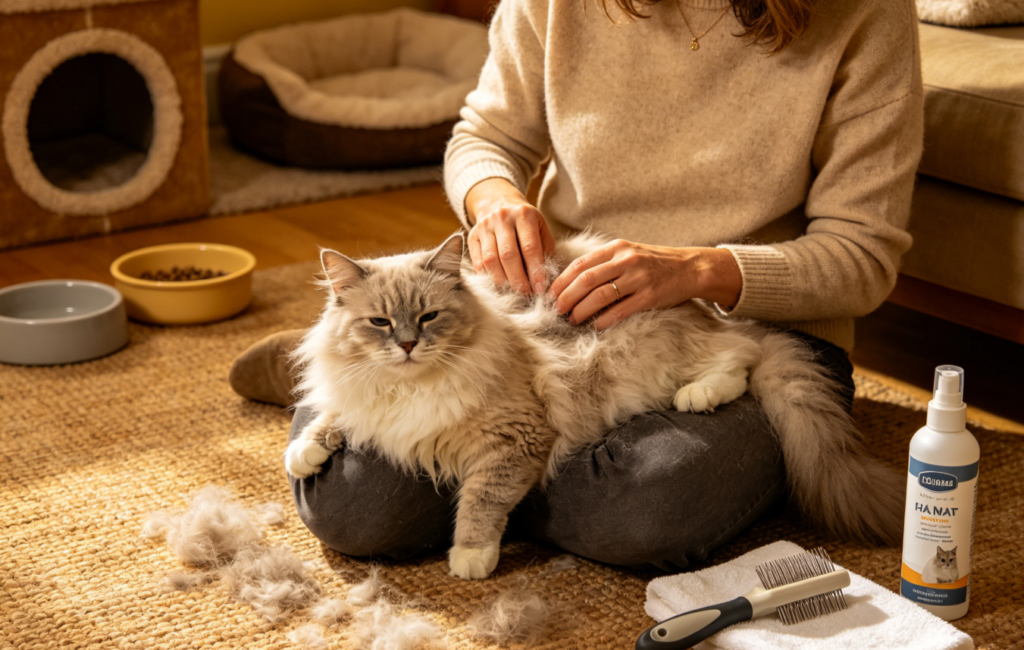
- Daily Grooming: Gentle brushing removes loose hair, stimulates circulation, and prevents mats. Use a soft brush or deshedding tool suitable for seniors. Short sessions with treats make it positive.
- Optimize Nutrition: Switch to a high-quality senior cat food rich in protein and omega fatty acids. These support skin and coat health. Your vet can recommend the best formula or supplements.
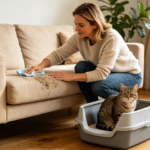
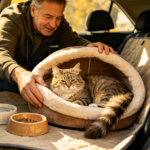
- Maintain a Comfortable Environment: Keep your home at a stable temperature. Provide soft, orthopedic beds and easy-access litter boxes to reduce stress and joint strain.
- Address Underlying Issues: Follow vet-prescribed treatments for medical conditions. Flea prevention remains important even for indoor cats.
- Hydration and Supplements: Encourage water intake with fountains. Omega-3 supplements (fish oil) may help improve coat quality when approved by your veterinarian.
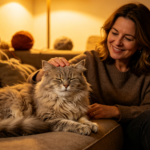
With consistent care, most senior cats can enjoy a healthier coat and reduced shedding. Regular grooming not only controls fur but also strengthens your bond and allows early detection of skin issues.
By staying proactive with veterinary care, proper diet, and daily attention, you can help your senior cat feel more comfortable in their golden years. A little extra effort goes a long way toward keeping both your home and your cat happier.
Related posts:
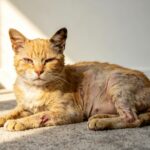 10 Common Health Problems in Senior Cats You Should Never Ignore
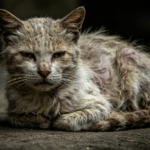 Common Senior Cat Health Problems You Should Never Ignore
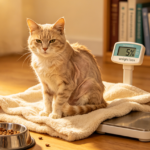 Why Is My Senior Cat Losing Weight Suddenly? Top Health Reasons and How to Help
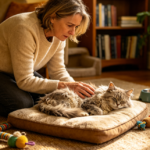 Senior Cat Lethargy: Causes, Symptoms and What to Do for Concerned Pet Owners
 7 Silent Senior Cat Health Issues Most Owners Miss Until It’s Too Late
 Top 10 Tips to Help Your Senior Cat Thrive in Their Golden Years and Improve Your Senior Cat’s
 5 Biggest Killers of Senior Cats: Common Causes, Warning Signs & How to Protect Your Feline