






Why Is My Senior Cat Constipated? Common Causes and Solutions Explained
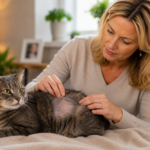
Constipation is a common problem in senior cats, and many owners may not notice the issue until their cat becomes uncomfortable or stops using the litter box normally. Aging cats often experience changes in digestion, mobility, and hydration that can affect bowel movements. While occasional constipation may not be serious, frequent or severe constipation should never be ignored because it can lead to pain and more serious health complications.
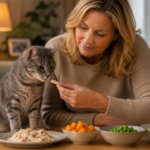
One of the most common causes of constipation in senior cats is dehydration. Older cats are naturally more prone to dehydration because their bodies become less efficient at maintaining water balance. Cats that mainly eat dry food may not receive enough moisture in their diet, causing stools to become hard and difficult to pass. Encouraging water intake with pet fountains, multiple water bowls, or wet food can often help improve hydration.
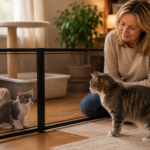
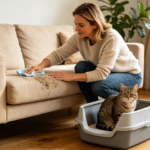
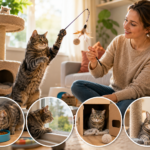
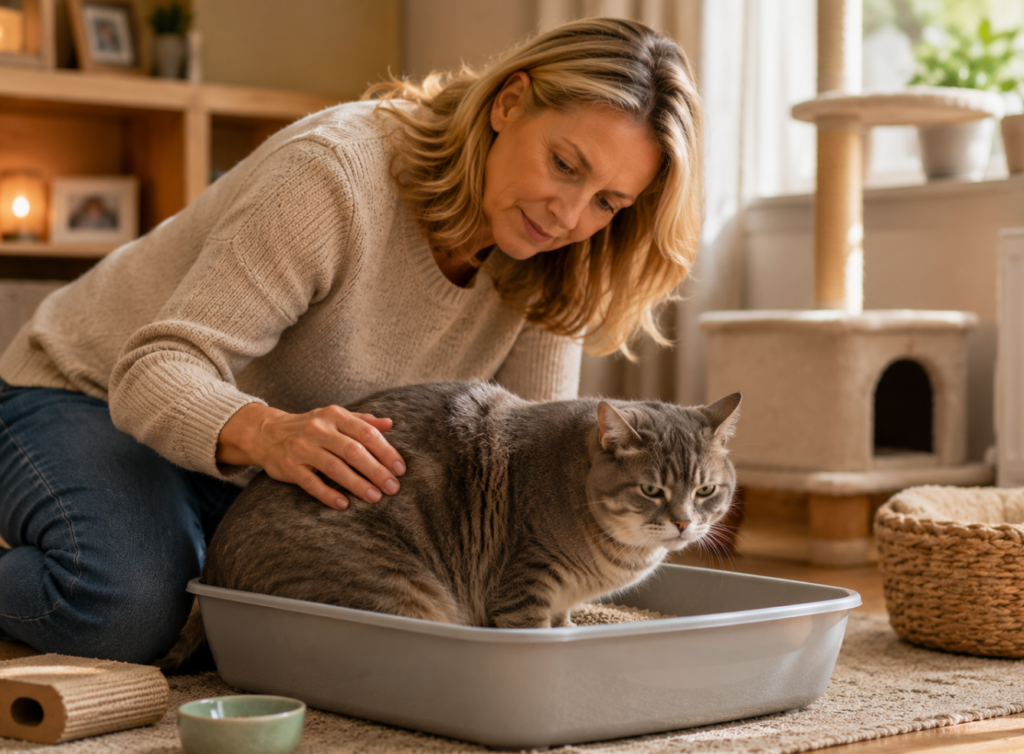
Reduced physical activity can also contribute to constipation. Senior cats often move less due to arthritis or joint pain, and lower activity levels may slow down digestion. Cats with mobility issues may even avoid the litter box if entering it becomes uncomfortable. Low-entry litter boxes and gentle daily movement can help support healthier bowel function.
Diet plays an important role as well. Some older cats may not receive enough fiber, while sudden food changes can also upset digestion. High-quality senior cat food designed for digestive health may help regulate bowel movements. In some cases, veterinarians may recommend fiber supplements or special prescription diets.
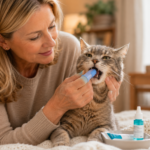
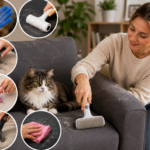
Hairballs can become another problem for aging cats. Senior cats sometimes groom less effectively due to stiffness or arthritis, while others may overgroom from stress. Swallowed hair can contribute to digestive blockages or constipation, especially in long-haired cats. Regular brushing helps reduce excess fur intake and supports healthier digestion.
Underlying medical conditions are also common causes of constipation in elderly cats. Kidney disease, diabetes, neurological disorders, pelvic injuries, or intestinal problems can all interfere with normal bowel movements. In some cases, chronic constipation may develop into a more serious condition called megacolon, where the colon becomes enlarged and loses the ability to move stool properly.
Certain medications may also contribute to constipation. Pain medications, supplements, or other treatments prescribed for senior health conditions can sometimes affect digestion. Owners should discuss possible side effects with their veterinarian if constipation begins after starting new medication.
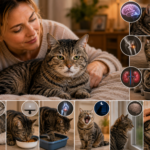
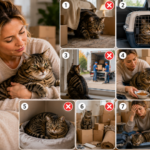
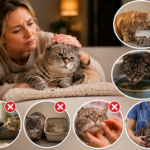
Common warning signs include straining in the litter box, dry or small stools, crying while attempting to defecate, reduced appetite, vomiting, bloating, or avoiding the litter box entirely. Some cats may repeatedly enter and leave the litter box without producing stool.
Fortunately, mild constipation can often be improved with simple lifestyle changes. Increasing hydration, feeding wet food, encouraging light exercise, and reducing stress may all help support healthy digestion. However, if a senior cat has not had a bowel movement for more than a couple of days or appears to be in pain, veterinary care is important.
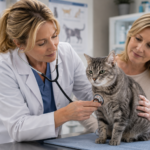
Regular veterinary checkups are especially valuable for senior cats because digestive issues may be linked to underlying diseases that require treatment. Early intervention can prevent more serious complications and improve comfort.
With proper care, monitoring, and attention to diet and hydration, many senior cats can successfully manage constipation and continue living comfortable, healthy lives.
Related posts:
 10 Common Health Problems in Senior Cats You Should Never Ignore
 Common Senior Cat Health Problems You Should Never Ignore
 Why Is My Senior Cat Losing Weight Suddenly? Top Health Reasons and How to Help
 Senior Cat Lethargy: Causes, Symptoms and What to Do for Concerned Pet Owners
 7 Silent Senior Cat Health Issues Most Owners Miss Until It’s Too Late
 Top 10 Tips to Help Your Senior Cat Thrive in Their Golden Years and Improve Your Senior Cat’s
 5 Biggest Killers of Senior Cats: Common Causes, Warning Signs & How to Protect Your Feline
 Senior Cat Shedding: Causes, Excessive Hair Loss, and How to Stop It
 Why Your Senior Cat Meows at Night: Health Reasons Explained
 How Often Should Senior Cats Visit the Vet? A Complete Health Check Guide