


















7 Signs Your Senior Cat’s Eyesight Is Failing and What Owners Should Watch For
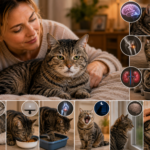
As cats age, changes in vision become more common. Many senior cats slowly develop eyesight problems that may affect their confidence, movement, and overall quality of life. Because vision loss often happens gradually, owners may not immediately notice the signs. Cats are highly adaptable animals and can hide physical difficulties surprisingly well.
Understanding the early warning signs of declining eyesight can help owners provide better care and seek veterinary attention when needed.
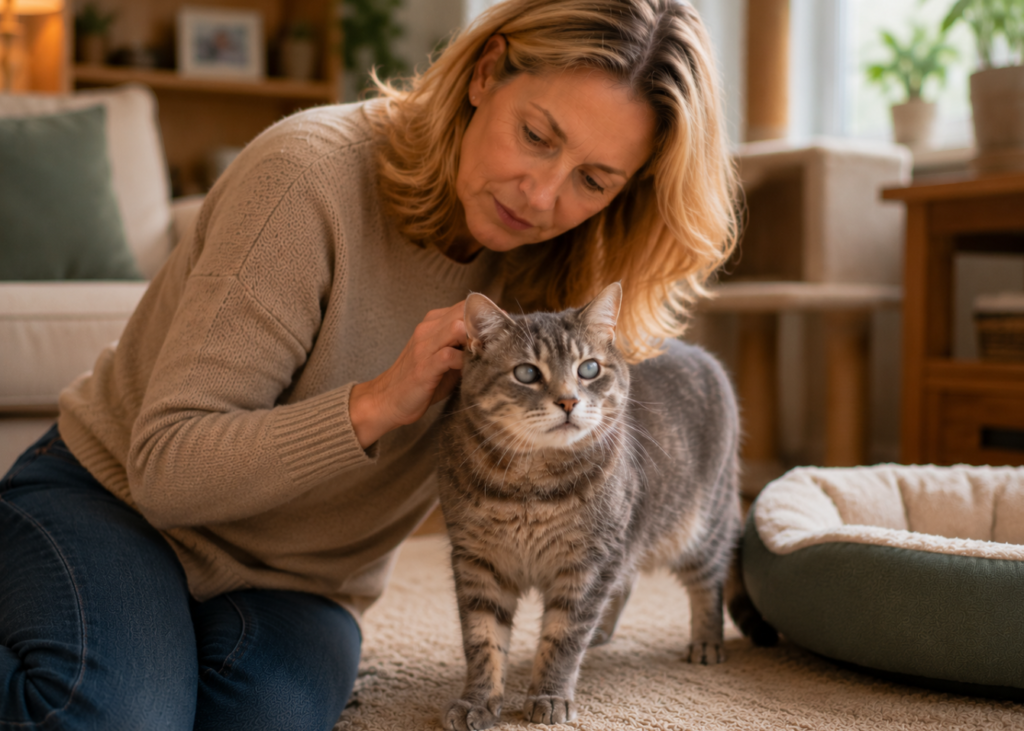
1. Bumping Into Furniture or Objects
One of the clearest signs of vision problems is when a senior cat starts bumping into furniture, walls, or objects around the house. Cats with poor eyesight may misjudge distances or fail to notice obstacles, especially in dim lighting or unfamiliar areas.
2. Hesitation When Jumping or Climbing
Cats rely heavily on vision for balance and coordination. A cat experiencing vision loss may become hesitant before jumping onto furniture or climbing stairs. Some cats may stop jumping altogether because they no longer feel confident judging height and distance accurately.
3. Increased Startling or Anxiety
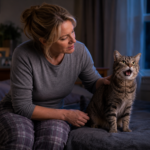
Senior cats with reduced eyesight may become frightened more easily. If a cat cannot clearly see someone approaching, sudden touch or movement may cause them to startle, hiss, or react defensively. Some cats also become more clingy or anxious as their confidence decreases.
4. Changes in Eye Appearance
Cloudy eyes, enlarged pupils, redness, discharge, or noticeable changes in eye color may indicate underlying eye disease. Cataracts, high blood pressure, glaucoma, and retinal problems are all conditions that can affect older cats and sometimes lead to blindness.
5. Difficulty Finding Food or Litter Boxes
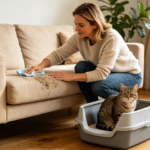
Cats with failing vision may struggle to locate familiar objects around the home. A senior cat that suddenly seems confused about where food bowls, water dishes, or litter boxes are located may be experiencing eyesight decline.
6. Reduced Activity and Exploration
Vision loss can make cats feel less secure, causing them to move around less often. Some senior cats become quieter, sleep more, or avoid exploring areas they once enjoyed. They may prefer staying close to familiar resting spots where they feel safe.
7. Walking More Carefully or Slowly
Cats with poor vision often move more cautiously. They may lower their bodies while walking, pause frequently, or carefully test surfaces before stepping forward. These subtle changes are sometimes mistaken for simple aging or arthritis.
Several health conditions can contribute to vision loss in senior cats. High blood pressure, kidney disease, diabetes, retinal degeneration, infections, and glaucoma are among the most common causes. Because some of these conditions are serious, sudden or rapid vision changes should always be treated as a veterinary concern.
Fortunately, many blind or visually impaired cats can still live happy and comfortable lives. Cats rely heavily on memory, smell, and hearing to navigate familiar spaces. Maintaining a stable environment without frequently moving furniture can help them adapt more easily.
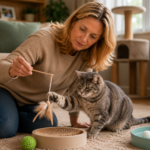
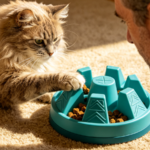
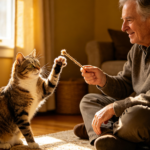
Owners can also improve safety by keeping walkways clear, using night lights, and speaking gently before touching the cat. Interactive toys that make sound or contain catnip may help visually impaired cats remain mentally stimulated.
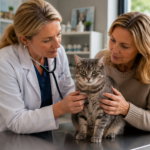
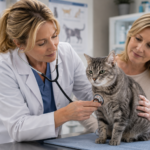
Most importantly, regular veterinary checkups are essential for aging cats. Early diagnosis may help slow or manage certain eye conditions before severe damage occurs.
Although losing eyesight can be challenging, patience, consistency, and supportive care allow many senior cats to continue feeling safe, loved, and confident in their home environment.
Related posts:
 10 Common Health Problems in Senior Cats You Should Never Ignore
 Common Senior Cat Health Problems You Should Never Ignore
 Why Is My Senior Cat Losing Weight Suddenly? Top Health Reasons and How to Help
 Top 10 Tips to Help Your Senior Cat Thrive in Their Golden Years and Improve Your Senior Cat’s
 Why Your Senior Cat Meows at Night: Health Reasons Explained
 How Often Should Senior Cats Visit the Vet? A Complete Health Check Guide
 Why Is My Senior Cat Constipated? Common Causes and Solutions Explained
 Senior Cat Losing Weight: Natural Aging or a Health Problem?
 Does Your Senior Cat Have Arthritis? Quiet Signs You Shouldn’t Ignore
 Senior Cat Skin Issues: Why Your Feline Itches & Develops Bald Spots, Plus Practical Treatments