

































8 Warning Signs You Should Take Your Senior Cat to the Vet Immediately
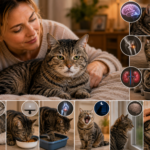
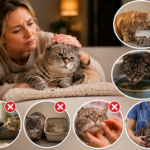
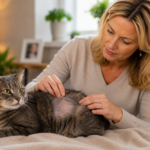
Senior cats are masters at hiding discomfort and illness, which makes it essential for owners to monitor subtle changes in behavior, appearance, and habits. Early detection of medical issues can significantly improve treatment outcomes and enhance quality of life. While regular checkups are crucial, there are certain warning signs that should never be ignored and require prompt veterinary attention.
1. Sudden Weight Loss or Gain
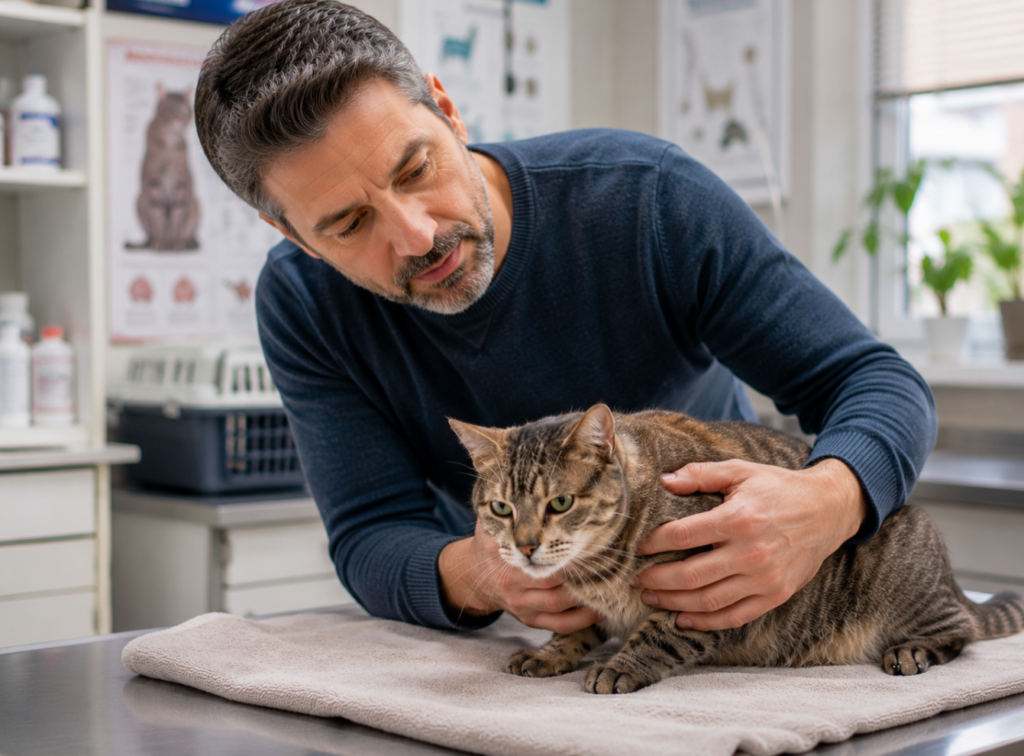
Unexpected weight changes in an elderly cat can indicate serious health problems such as kidney disease, diabetes, hyperthyroidism, or cancer. Even a gradual loss or gain over a few weeks warrants a veterinary evaluation to rule out underlying illness.
2. Loss of Appetite
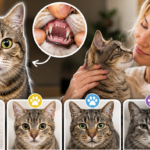
A senior cat refusing to eat for more than a day is cause for concern. Appetite loss may result from dental pain, digestive issues, infections, or chronic disease. Extended periods without eating can lead to dangerous complications like hepatic lipidosis, making early intervention critical.
3. Increased Thirst or Urination
Drinking significantly more water or urinating more frequently can signal kidney disease, diabetes, or urinary tract infections. These conditions are common in senior cats and require prompt diagnosis and management.
4. Difficulty Moving
Stiffness, reluctance to jump, or a noticeable change in gait may indicate arthritis, joint pain, or injury. Mobility issues not only cause discomfort but can also affect the cat’s willingness to eat, groom, or use the litter box.
5. Vomiting or Diarrhea
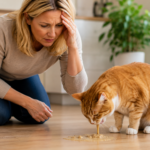
Occasional hairballs are normal, but persistent vomiting or diarrhea may signal gastrointestinal disorders, kidney problems, or infections. Chronic digestive issues should be assessed quickly to prevent dehydration and malnutrition.
6. Changes in Litter Box Behavior
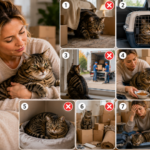
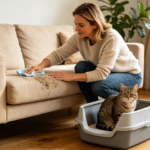
Straining, accidents outside the litter box, or sudden avoidance of the box may point to urinary tract issues, constipation, or other painful conditions. Litter box changes in senior cats should always be investigated promptly.
7. Respiratory Problems
Labored breathing, coughing, wheezing, or open-mouth breathing are serious warning signs. Respiratory distress can be life-threatening and requires immediate veterinary care.
8. Behavioral or Personality Changes
Sudden aggression, withdrawal, increased vocalization, confusion, or disorientation can indicate pain, cognitive decline, or other medical issues. Behavioral changes are often overlooked, but they can be one of the earliest signs of illness in senior cats.
Conclusion
Senior cats may appear independent, but their health often changes subtly over time. Owners should remain vigilant and trust their instincts when something seems “off.” Early recognition of warning signs and prompt veterinary care can prevent complications, improve comfort, and prolong your cat’s quality of life. Regular checkups combined with careful daily observation are the best ways to ensure your senior cat remains healthy, active, and happy in their later years.
Related posts:
 10 Warning Signs You Should Take Your Senior Cat to the Vet
 5 Biggest Killers of Senior Cats: Common Causes, Warning Signs & How to Protect Your Feline
 Common Health Problems in Senior Cats and Warning Signs Every Owner Should Know
 Senior Cat Losing Weight: Natural Aging or a Health Problem?
 10 Common Health Problems in Senior Cats You Should Never Ignore
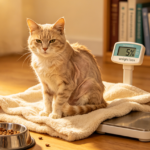 Why Is My Senior Cat Losing Weight Suddenly? Top Health Reasons and How to Help
 Top Joint Supplements for Senior Cats to Reduce Pain and Improve Movement
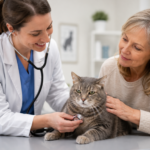 How Often Should Senior Cats Visit the Vet? A Complete Health Check Guide
 When Is a Cat Considered Senior? Cat Age and Aging Explained
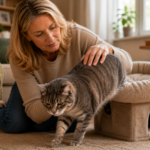 Does Your Senior Cat Have Arthritis? Quiet Signs You Shouldn’t Ignore