







6 Reasons Why Senior Cats Meow Loudly at Night and How to Help Them
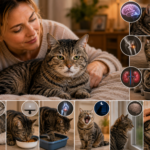
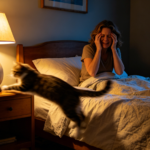
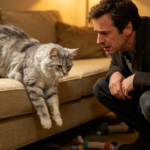
Many cat owners are surprised when their quiet senior cat suddenly begins meowing loudly during the night. While occasional nighttime vocalization is normal, frequent or excessive meowing can be frustrating for owners and may signal that something is bothering the cat. Understanding the underlying causes can help you provide the right support and improve both your cat’s comfort and your sleep.
Here are six common reasons why senior cats meow loudly at night and what you can do to help.
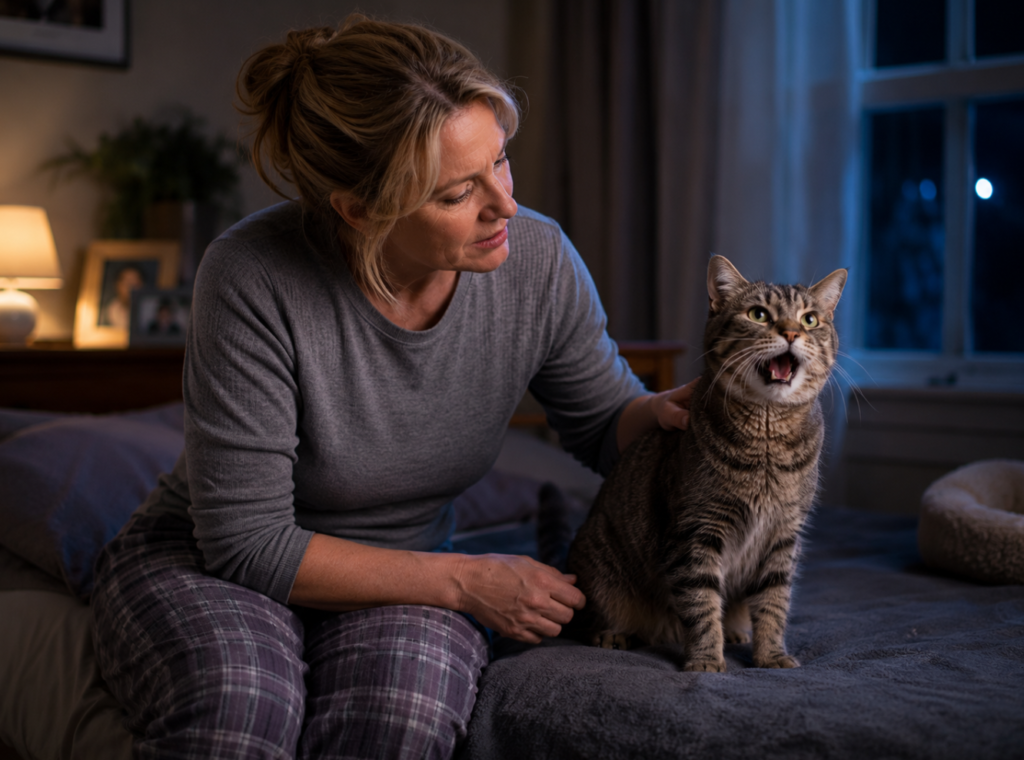
1. Cognitive Decline
As cats age, some develop a condition similar to dementia in humans, often called feline cognitive dysfunction. Affected cats may become confused, disoriented, or forget familiar routines. This confusion is often worse at night, causing them to wander around the house and vocalize loudly.
Keeping a consistent routine and using night lights can help reduce nighttime confusion.
2. Hearing or Vision Loss
Many senior cats experience declining hearing or eyesight. A cat that cannot see or hear as well may feel insecure when the house becomes dark and quiet at night. Loud meowing may be their way of seeking reassurance or trying to locate family members.
Providing familiar sleeping areas and maintaining a stable home environment can help reduce anxiety.
3. Hunger or Increased Appetite
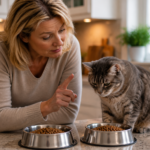
Some medical conditions, such as hyperthyroidism or diabetes, can cause increased hunger in older cats. If your cat frequently wakes you during the night asking for food, an underlying health issue may be contributing to the behavior.
A veterinary examination can help determine whether medical treatment or dietary adjustments are needed.
4. Pain or Physical Discomfort
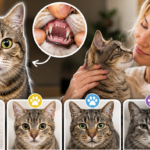
Arthritis, dental disease, and other age-related conditions can cause discomfort that becomes more noticeable at night when the environment is quiet. Cats in pain may vocalize more often, especially if they struggle to find a comfortable resting position.
Regular veterinary checkups and appropriate pain management can greatly improve quality of life.
5. Loneliness or Attention-Seeking
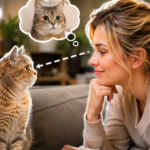
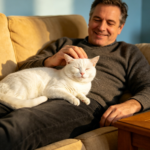
Some senior cats become more attached to their owners as they age. If they wake up alone during the night, they may meow simply because they want companionship or reassurance.
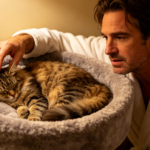
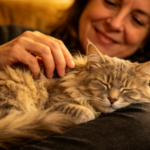
Spending quality time together during the day and providing a comfortable sleeping area near family members may help reduce nighttime vocalization.
6. Medical Conditions
Several health problems can cause excessive nighttime meowing, including kidney disease, high blood pressure, thyroid disorders, and neurological conditions. Sudden increases in vocalization should never be ignored, especially if accompanied by weight loss, increased thirst, or behavior changes.
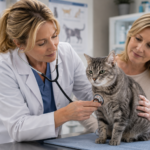
A thorough veterinary evaluation is the best way to rule out serious medical causes.
How to Help a Senior Cat That Meows at Night
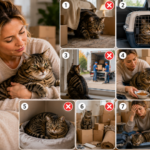
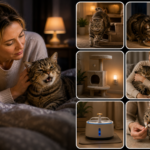
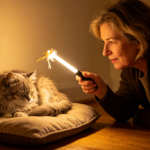
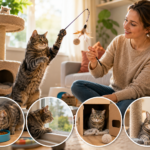
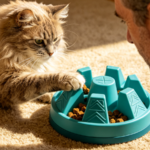
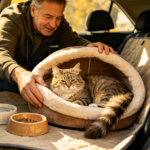
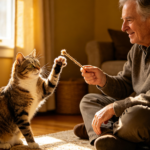
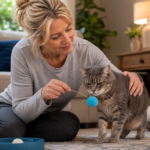
The first step is identifying the cause. Ensure your cat has a comfortable bed, easy access to food, water, and the litter box, and a predictable daily routine. Gentle play sessions during the day can also help reduce nighttime restlessness.
Most importantly, avoid assuming that loud meowing is simply a normal part of aging. While some behavioral changes occur naturally, excessive nighttime vocalization often has an underlying reason.
With patience, observation, and proper veterinary care, many senior cats can become calmer, more comfortable, and quieter at night, allowing both cats and owners to enjoy better rest and a higher quality of life.
Related posts:
 How to Care for a Senior Cat in Its Final Years: Essential Tips Every Cat Owner Should Know
 Common Health Problems in Senior Cats and Warning Signs Every Owner Should Know
 10 Warning Signs You Should Take Your Senior Cat to the Vet
 10 Essential Tips to Create a Comfortable and Safe Space for Your Senior Cat
 Why Senior Cats Stop Playing and How to Encourage Them to Stay Active
 Top 7 Ways to Make Your Senior Cat Live Longer and Happier
 What Can Owners Do to Help Senior Cats Live Longer and Good Health
 Top Joint Supplements for Senior Cats to Reduce Pain and Improve Movement
 How Often Should Senior Cats Visit the Vet? A Complete Health Check Guide
 When Is a Cat Considered Senior? Cat Age and Aging Explained