



































Best Food for Senior Cats: Wet vs Dry Food Guide
Choosing the right food for a senior cat (11 years and older) is one of the most important ways to support their health, comfort, and longevity. As cats age, their bodies change—they may have reduced mobility, slower metabolism, dental issues, kidney concerns, or decreased appetite—and their nutritional needs shift accordingly. One of the biggest decisions cat owners face is whether to feed their senior feline wet food, dry food, or a combination of both. This guide breaks down the key differences between wet and dry food, their pros and cons for senior cats, and how to choose the best option based on your cat’s unique needs.
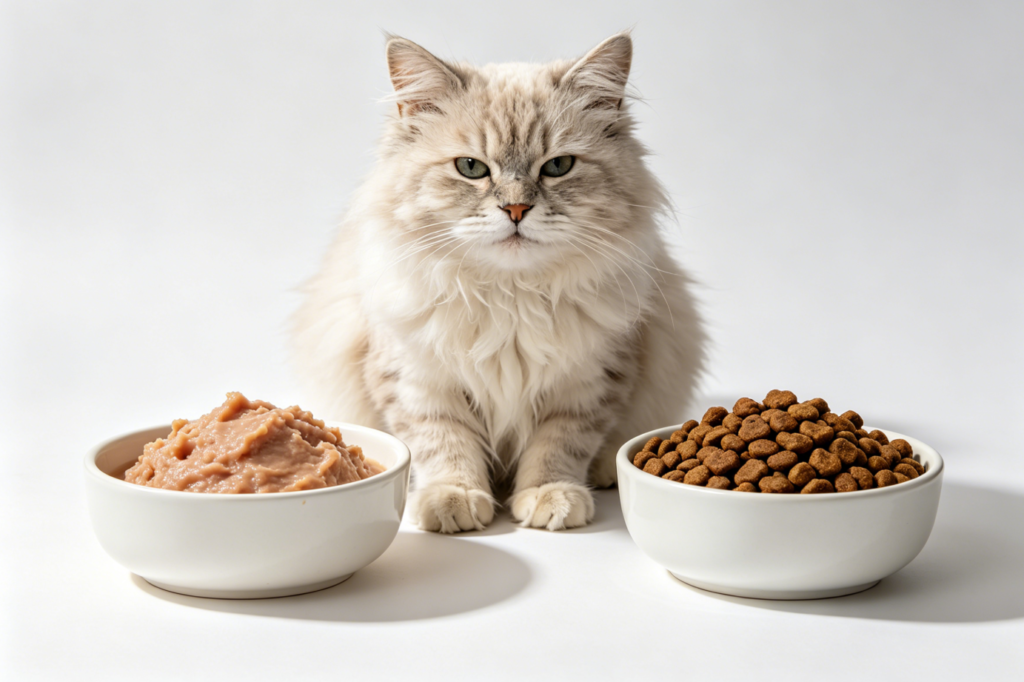
Dry food, also known as kibble, is a popular choice for many cat owners due to its convenience and affordability. It has a long shelf life, requires no refrigeration, and is easy to portion and store. For senior cats, dry food can help maintain dental health by reducing plaque and tartar buildup—chewing the crunchy kibble acts as a natural teeth cleaner, which is beneficial for cats with mild dental issues. Additionally, dry food is often higher in fiber, which can support digestive health and help manage weight, a common concern for less active senior cats. However, dry food has significant drawbacks: it is low in moisture, which is problematic for senior cats, as they are prone to dehydration and kidney disease. Many senior cats also struggle to chew hard kibble, especially those with dental pain or arthritis in the jaw.
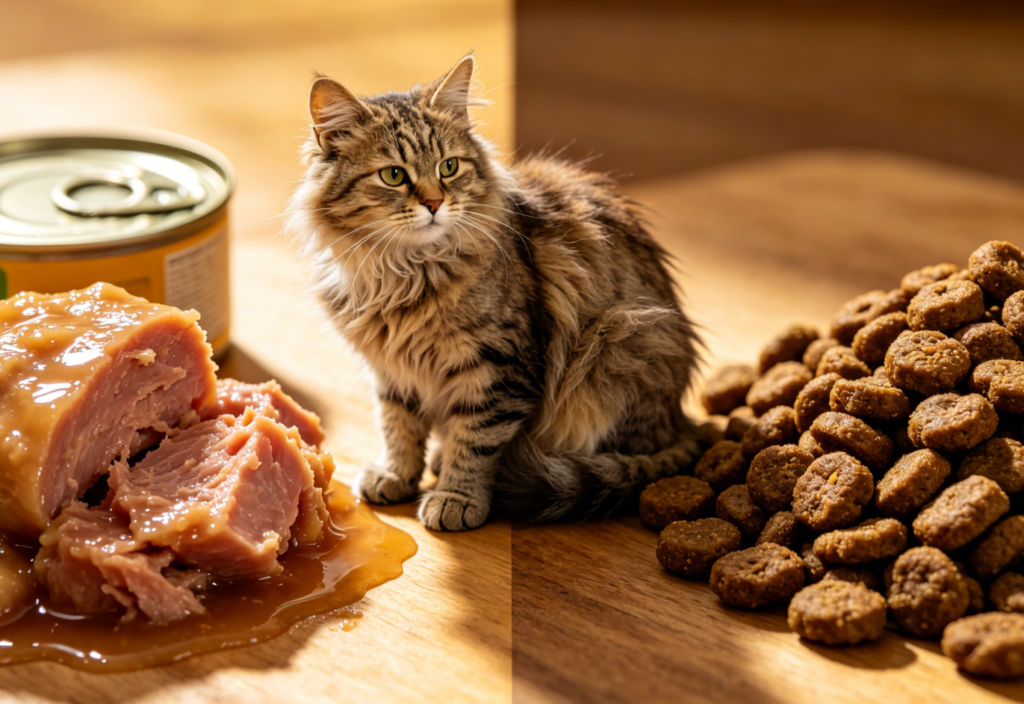
Wet food, on the other hand, is a moisture-rich option that addresses many of the challenges senior cats face. With a water content of 70–80%, wet food helps keep senior cats hydrated, which is critical for supporting kidney function and preventing urinary tract issues—two common health concerns in older felines. Its soft, tender texture is ideal for senior cats with dental problems or difficulty chewing, making it easier for them to eat and digest. Wet food also tends to be higher in protein, which helps maintain muscle mass—a key issue as cats age and naturally lose muscle. Additionally, the strong aroma and flavor of wet food can stimulate appetite in senior cats that have lost interest in eating. The main downsides of wet food are its shorter shelf life (once opened), higher cost, and the need for refrigeration. It also does not offer the same dental benefits as dry food.
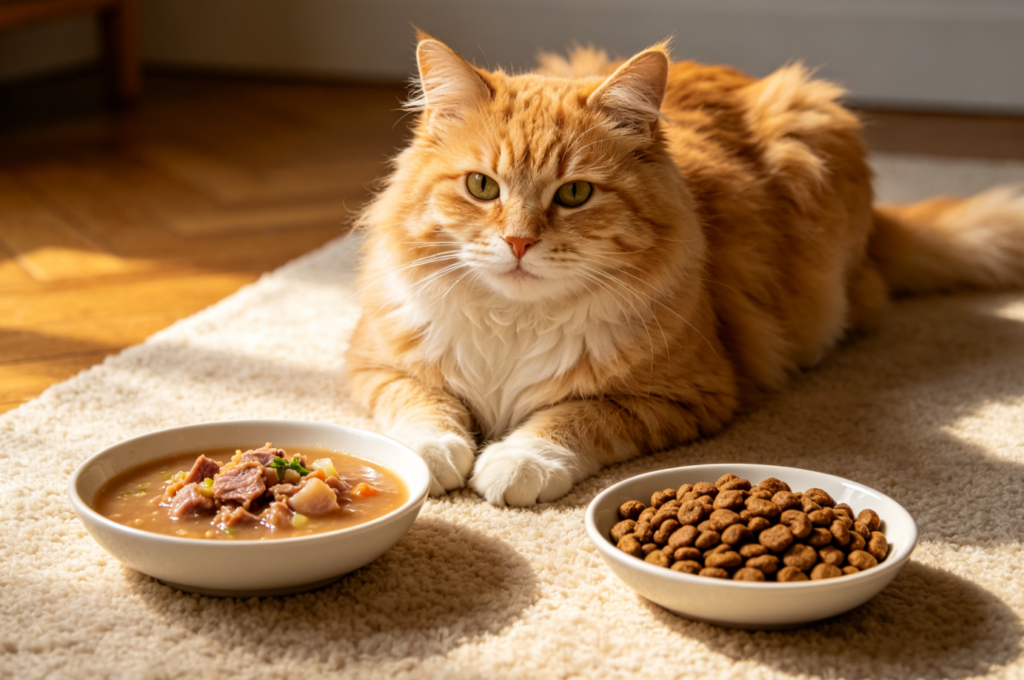
When deciding between wet and dry food for your senior cat, consider their individual health and preferences. If your cat has kidney disease, urinary tract issues, or struggles with dehydration, wet food is likely the better choice. For cats with mild dental issues or those who need help managing weight, dry food (or a mix) may be more suitable. Many owners opt for a combination: dry food available throughout the day for grazing, and wet food at mealtimes to ensure adequate moisture and nutrition.
Regardless of whether you choose wet or dry food, always look for products labeled “senior-specific.” These formulas are tailored to meet the unique nutritional needs of older cats, with lower calories (to prevent obesity), added joint supplements (like glucosamine), and reduced sodium (to support heart health). Avoid foods with excessive fillers, artificial preservatives, or low-quality proteins, as these can worsen health issues in senior cats.
In conclusion, there is no one-size-fits-all answer to the wet vs. dry food debate for senior cats. Both options have their pros and cons, and the best choice depends on your cat’s health, dental condition, appetite, and preferences. By prioritizing moisture, protein, and senior-specific nutrition, you can ensure your aging feline gets the fuel they need to stay healthy and comfortable in their golden years.
Related posts:
 Senior Cat Grooming Tips for Older Cats With Matted Fur
 Why Senior Cats Stop Playing and How to Encourage Them
 When Is a Cat Considered a Senior? Complete Age Guide
 Common Senior Cat Health Problems You Should Never Ignore
 Senior Cat Diet: What to Feed and What to Avoid Every Cat Owner Needs to Know
 Best Treats for Senior Cats With Sensitive Stomachs to Prevent Upset Digestion
 The Ultimate Diet Plan for Senior Cats: Tailored Nutrition for Every Age Stage (11+ Years)
 What Senior Cats Should Eat and Avoid Completely: The Ultimate Guide to Safe Nutrition for Aging Cats