

























Why Older Cats Become Aggressive and What Owners Should Know
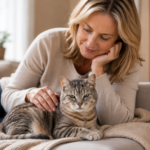
Many cat owners are surprised when a once calm and affectionate senior cat suddenly becomes aggressive. Hissing, swatting, growling, or biting can be upsetting, especially when the behavior appears without warning. However, aggression in older cats is often a sign that something deeper is affecting their physical or emotional well-being. Understanding the possible causes can help owners respond with patience and proper care instead of punishment.
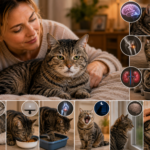
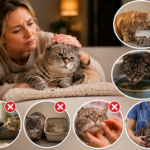
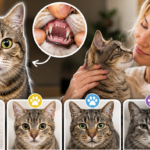
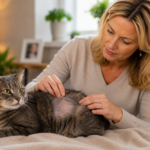
One of the most common reasons older cats become aggressive is pain. Aging cats frequently develop arthritis, dental disease, or other chronic health conditions that cause discomfort. Cats are naturally skilled at hiding pain, so aggression may become one of the first visible warning signs. A cat experiencing joint pain may react negatively when touched, picked up, or approached suddenly because movement becomes uncomfortable.
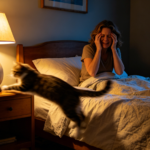
Cognitive decline can also affect behavior in elderly cats. Similar to dementia in humans, some senior cats experience confusion, memory problems, and changes in awareness as they age. These cats may become disoriented, anxious, or easily startled, which can sometimes lead to defensive aggression. Increased vocalization, wandering at night, and changes in sleep patterns often appear alongside these behavioral shifts.
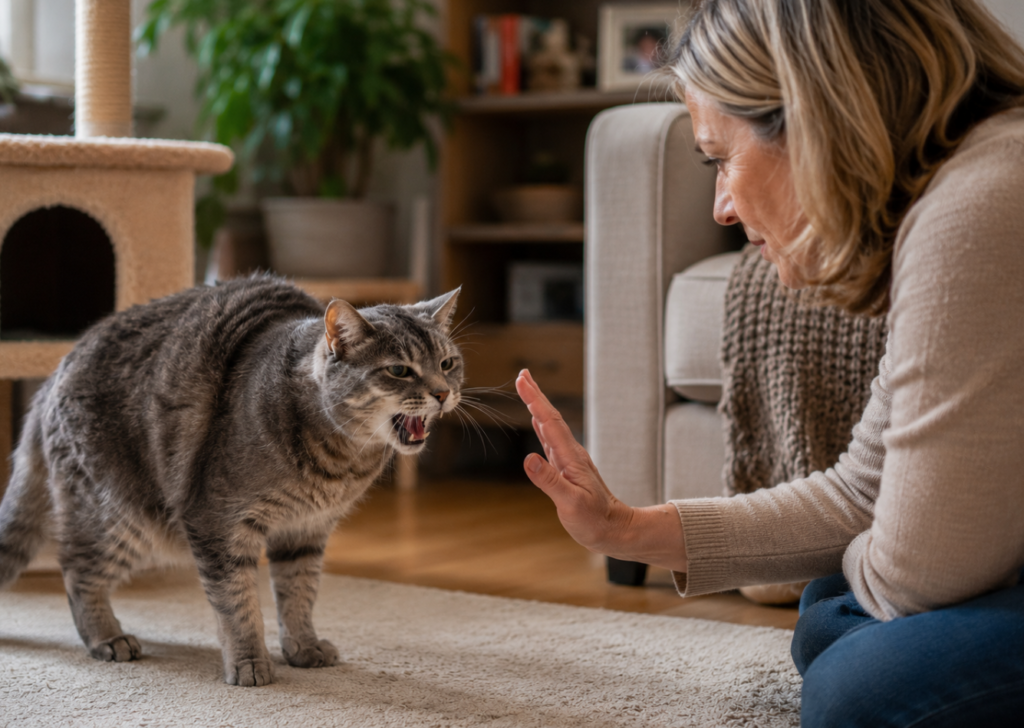
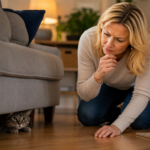
Vision and hearing loss may also contribute to aggression. An older cat that cannot see or hear clearly may become frightened more easily when someone approaches unexpectedly. What appears to be aggression may actually be a fear response caused by confusion or insecurity.
Underlying medical conditions can also influence mood and behavior. Hyperthyroidism, high blood pressure, neurological disorders, and other illnesses may increase irritability or restlessness in aging cats. Sudden personality changes should never be ignored because they can sometimes indicate serious health problems that require veterinary attention.
Stress and environmental changes may affect senior cats more strongly than younger cats. Older cats usually prefer familiar routines and quiet surroundings. Moving furniture, introducing new pets, loud noises, or changes in the household can create anxiety and frustration. A stressed senior cat may react aggressively simply because it feels overwhelmed or unsafe.
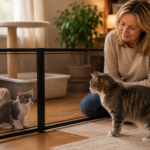
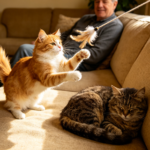
Territorial behavior can also become more noticeable with age. Some elderly cats become less tolerant of other pets or unfamiliar visitors. They may guard favorite resting spots, food bowls, or litter boxes more aggressively than before.
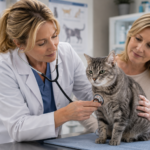
Fortunately, there are ways owners can help reduce aggression naturally. The first step is scheduling a veterinary checkup to rule out pain or medical conditions. Treating the underlying cause often improves behavior significantly.
Creating a calm and predictable environment can also help senior cats feel more secure. Providing quiet resting spaces, maintaining daily routines, and avoiding sudden changes may reduce stress levels. Gentle interaction and respecting the cat’s boundaries are equally important. Owners should avoid forcing physical contact if the cat seems uncomfortable.
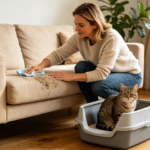
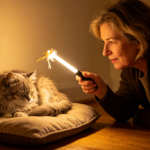
For cats with mobility problems or sensory decline, simple adjustments such as soft bedding, accessible litter boxes, and night lights may improve confidence and reduce fear-related reactions.
Patience is essential when caring for an aging cat. Aggression in senior cats is usually not a sign of spite or bad behavior. More often, it reflects discomfort, confusion, fear, or stress that the cat cannot communicate in other ways.
With understanding, medical care, and a supportive environment, many older cats can regain comfort and continue enjoying peaceful and loving relationships with their owners.
Related posts:
 Do Senior Cats Miss You More When You’re Away? Understanding Emotional Attachment in Aging Cats
 How to Bond With Your Senior Cat Deeply in Their Golden Years
 7 Clear Signs Your Senior Cat Is Nearing the End of Life You Should Never Miss
 Getting a New Pet? How to Help Your Senior Cat Accept It
 Low-Intensity Interactive Games for Senior Cats: Fun & Gentle Ways to Keep Them Engaged
 Do Senior Cats Get Lonely? Common Signs and Practical Ways to Comfort Them
 Why Cats Scratch Furniture and How to Stop the Behavior Naturally?