





































Senior Cat Dental Care: Preventing Tooth Problems and Gum Disease
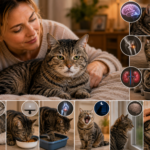
Dental health is an important but often overlooked part of senior cat care. As cats grow older, they become more vulnerable to tooth decay, gum disease, infections, and oral pain. Many elderly cats silently suffer from dental problems because cats naturally hide discomfort. Without proper care, untreated dental disease can affect not only the mouth but also overall health and quality of life.
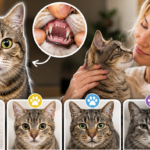
One of the most common dental issues in senior cats is periodontal disease. This condition develops when plaque and tartar build up around the teeth and gums. Over time, bacteria cause inflammation, infection, and damage to the tissues supporting the teeth. In severe cases, teeth may loosen or fall out completely.
Gingivitis is another frequent problem in aging cats. Red, swollen, or bleeding gums are often early signs of inflammation. If left untreated, gingivitis can progress into more serious gum disease and chronic pain.
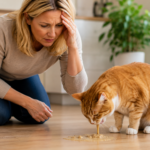
Dental problems can make everyday activities extremely uncomfortable for senior cats. Cats with oral pain may struggle to chew food, eat less, or avoid hard food entirely. Some cats drool excessively, paw at their mouths, or develop noticeably bad breath. Others may become irritable, withdrawn, or less interested in grooming because they are trying to hide discomfort.
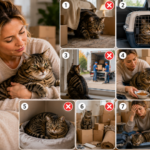
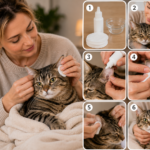
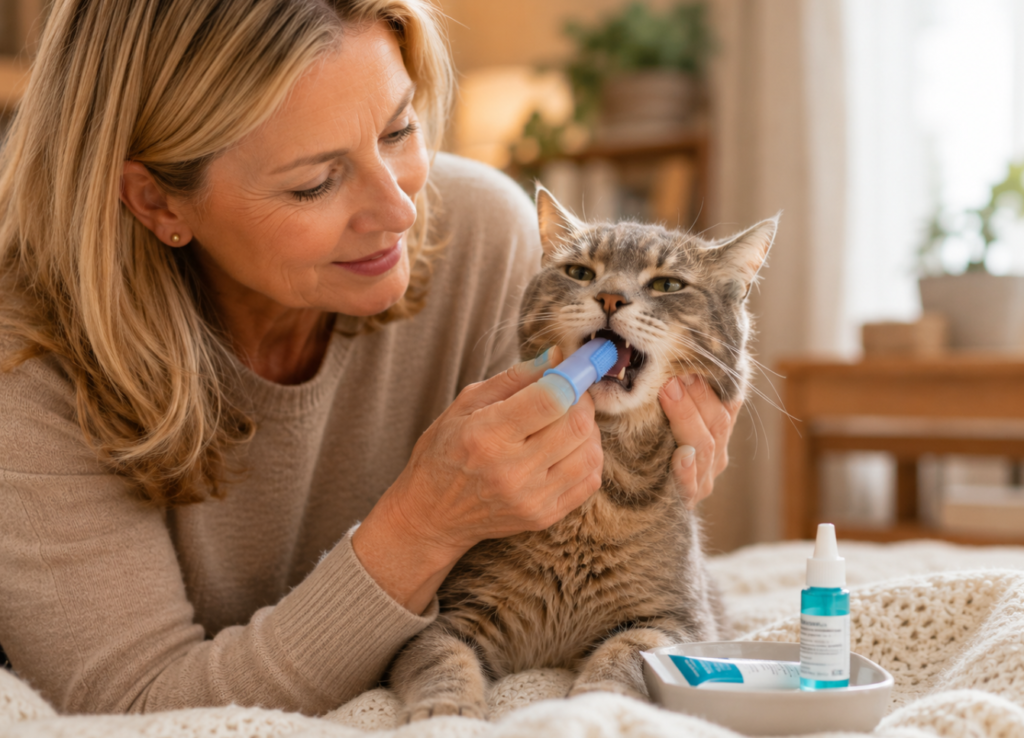
Preventing dental disease begins with regular oral care at home. Brushing a cat’s teeth may sound difficult, but many cats can gradually learn to tolerate gentle brushing using pet-safe toothpaste and soft toothbrushes designed for cats. Starting slowly and rewarding calm behavior helps create a positive experience.
Dental treats and specially formulated dental diets may also help reduce plaque buildup. Some cat foods are designed to promote chewing and support oral hygiene. However, these products should complement regular dental care rather than replace it.
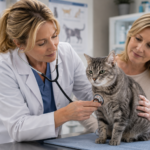
Routine veterinary dental exams are especially important for senior cats. Veterinarians can identify hidden dental problems that owners may not notice during daily interactions. Professional dental cleanings remove tartar below the gumline where bacteria often accumulate. In some cases, damaged or infected teeth may need treatment or extraction to relieve pain.
Regular monitoring at home is equally important. Owners should watch for warning signs such as bad breath, difficulty eating, weight loss, drooling, swollen gums, loose teeth, or changes in behavior. Cats are skilled at hiding pain, so even subtle signs may indicate significant dental discomfort.
Hydration and nutrition also support oral health. Wet food may be easier for cats with sensitive teeth to eat comfortably, especially if dental disease is already present. Providing balanced nutrition helps support the immune system and overall healing.
Stress reduction can also benefit senior cats recovering from dental issues. Quiet environments, comfortable resting areas, and gentle handling help elderly cats feel safer during periods of discomfort or treatment.
Dental health is closely connected to overall health. Severe oral infections may allow bacteria to spread to other organs, including the heart and kidneys. Early prevention and treatment can greatly improve both comfort and long-term well-being.
Although dental disease is common in older cats, many problems can be prevented or managed successfully with regular care. By paying attention to oral health and scheduling routine veterinary checkups, owners can help senior cats enjoy a healthier, happier, and more comfortable life throughout their later years.
Related posts:
 Senior Cat Grooming Tips for Older Cats With Matted Fur
 10 Essential Tips to Create a Comfortable and Safe Space for Your Senior Cat
 10 Summer Care Tips to Protect Senior Cats From Heatstroke Every Pet Owner Should Follow
 Why Senior Cats Stop Playing and How to Encourage Them to Stay Active
 How Often Should Senior Cats Get Checkups and How to Prepare
 Top 7 Ways to Make Your Senior Cat Live Longer and Happier
 What Can Owners Do to Help Senior Cats Live Longer and Good Health
 Simple Home Changes That Can Improve Life for Your Elderly Cat
 How Often Should Senior Cats Visit the Vet? A Complete Health Check Guide
 Best Ways to Introduce a New Kitten to an Older Cat Successfully