
Senior Cat Grooming Tips for Older Cats With Matted Fur
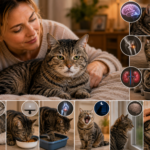
Grooming is an essential part of caring for senior cats, but it becomes even more critical when matted fur develops. As cats age (11 years and older), their bodies undergo changes that make them prone to tangled, matted fur—slower mobility, joint pain, reduced flexibility, and a decline in self-grooming habits. Matted fur isn’t just unsightly; it can cause serious discomfort, skin irritation, infections, and even restrict movement for already stiff senior cats. Unlike younger cats, seniors often find grooming stressful, so approaching the process with patience and gentle techniques is key. This guide shares practical grooming tips specifically tailored for senior cats with matted fur, helping you keep their coat healthy, comfortable, and free of tangles.
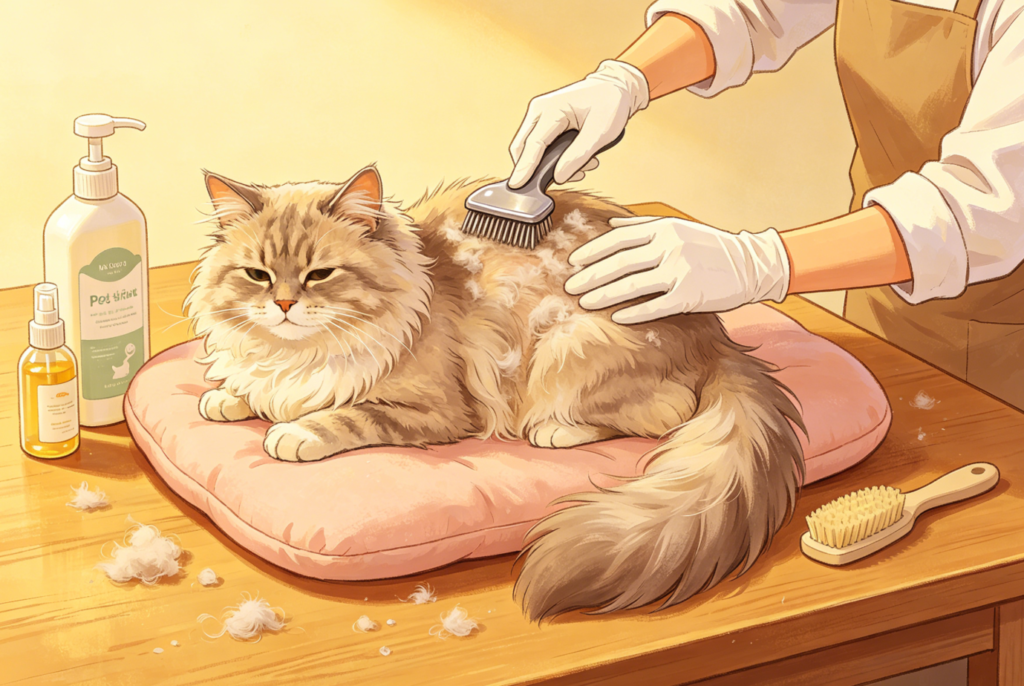
First, it’s important to understand why senior cats are more likely to get matted fur. Aging cats often suffer from arthritis, which makes it hard for them to reach all parts of their body—especially their back, belly, and hindquarters—to groom themselves. Some may also experience muscle loss, fatigue, or cognitive decline, which reduces their motivation to groom. Long-haired senior cats are particularly prone to mats, but even short-haired seniors can develop tangles if their coat isn’t regularly maintained. Mats form when loose fur gets tangled with dirt, oil, or debris, and they can quickly become tight and painful if left unaddressed.
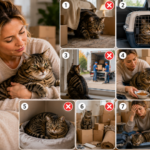
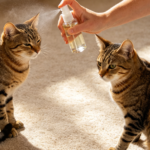
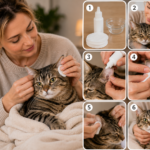
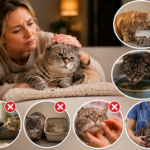
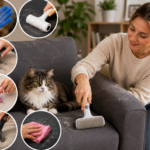
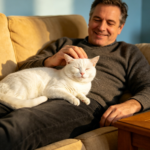
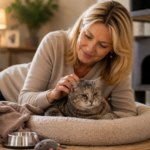
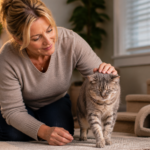
Before starting any grooming session, create a calm, comfortable environment for your senior cat. Choose a quiet room free of distractions, and place a soft blanket or towel on a flat surface (avoid high tables, as jumping can be painful for arthritic cats). Have all your tools ready: a wide-tooth comb for gentle detangling, a slicker brush for smoothing, blunt-tipped scissors (for small, tight mats), and a pet-safe detangler spray. Never use human scissors, as they can easily cut your cat’s skin. Start by petting your cat to help them relax—positive reinforcement, like treats or gentle praise, can make the experience less stressful.
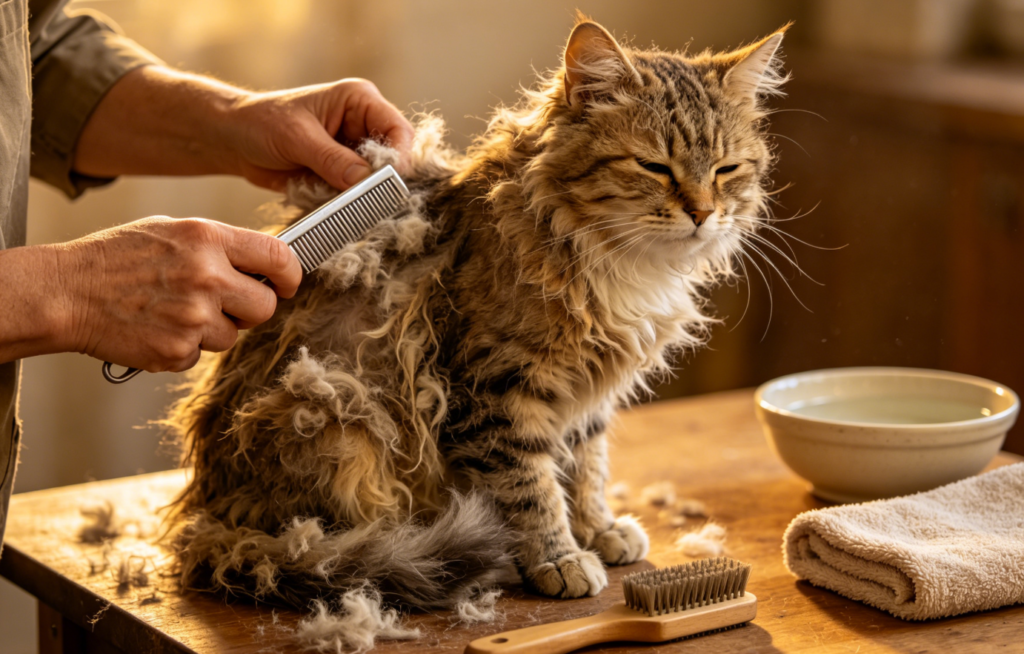
When tackling matted fur, always start with the least invasive method. For loose, small mats, use a wide-tooth comb to gently work through the tangle, starting from the edges and moving toward the skin. Hold the fur just above the mat to avoid pulling on the skin, which can cause pain. If the mat is tight or stubborn, spray a small amount of detangler spray and let it sit for a minute to soften the fur before combing. For very tight mats that won’t loosen with a comb, use blunt-tipped scissors to carefully snip the mat into smaller sections—never cut close to the skin, as mats can hide skin folds or irritations.
For senior cats with severe matting or those who become anxious during grooming, consider shorter grooming sessions (5–10 minutes at a time) instead of one long session. If your cat shows signs of stress—hissing, growling, or trying to escape—stop and try again later. For long-haired seniors, regular maintenance is key to preventing mats: brush them at least 2–3 times a week, focusing on areas prone to tangles (belly, armpits, tail base). If your cat’s mobility is severely limited, you may want to consider a short haircut from a professional groomer who has experience with senior cats.
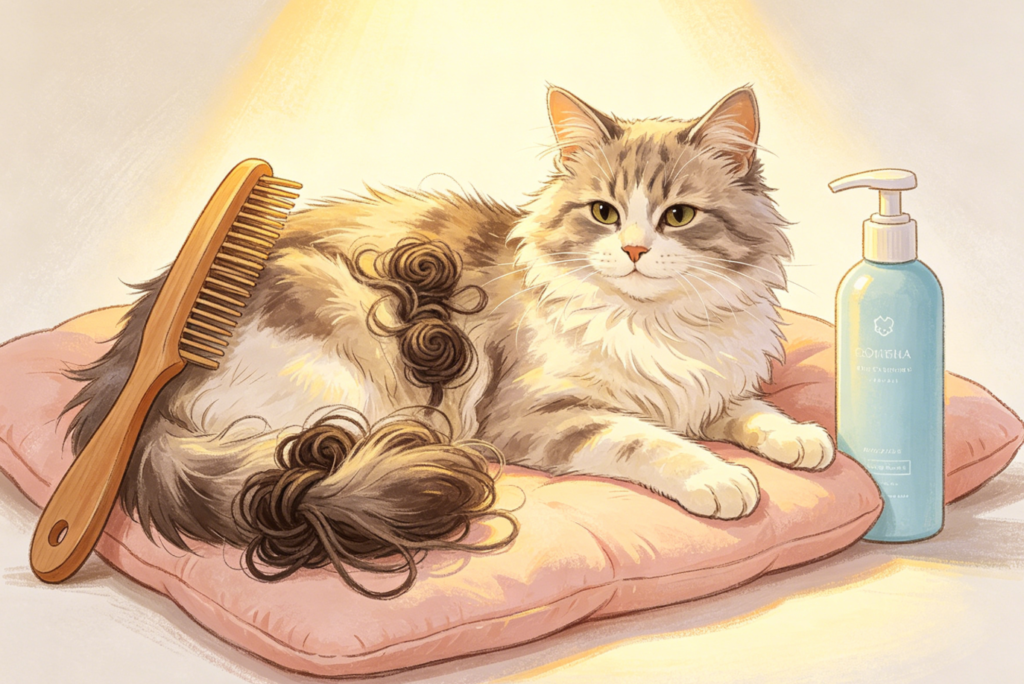
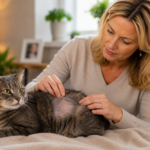
After grooming, check your cat’s skin for redness, irritation, or cuts—mats can sometimes cause skin damage underneath. Reward your cat with a treat and extra affection to reinforce positive associations with grooming. Additionally, address the root causes of matted fur: ensure your senior cat has easy access to food, water, and a clean litter box to reduce stress, and consider joint supplements to improve their mobility and ability to self-groom.
In conclusion, grooming senior cats with matted fur requires patience, gentleness, and the right techniques. By understanding why mats form, creating a calm environment, using the proper tools, and maintaining a regular grooming routine, you can keep your senior cat’s coat healthy and free of tangles. Remember, grooming isn’t just about appearance—it’s about keeping your aging feline comfortable, pain-free, and happy in their golden years.
Related posts:
 When Is a Cat Considered a Senior? Complete Age Guide
 Common Senior Cat Health Problems You Should Never Ignore
 Best Food for Senior Cats: Wet vs Dry Food Guide
 Why Senior Cats Stop Playing and How to Encourage Them
 How to Care for a Senior Cat in Its Final Years: Essential Tips Every Cat Owner Should Know
 10 Essential Tips to Create a Comfortable and Safe Space for Your Senior Cat
 10 Summer Care Tips to Protect Senior Cats From Heatstroke Every Pet Owner Should Follow
 Why Senior Cats Stop Playing and How to Encourage Them to Stay Active
 How Often Should Senior Cats Get Checkups and How to Prepare
 Top 7 Ways to Make Your Senior Cat Live Longer and Happier