























Why Your Senior Cat Stopped Playing and How to Bring Back Their Energy
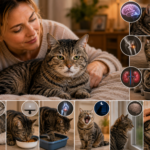
Many cat owners notice that their senior cat becomes less playful with age. Toys that once sparked excitement may suddenly be ignored, and energetic zoomies may slowly disappear. While it is normal for older cats to slow down over time, a complete loss of interest in play can sometimes signal physical discomfort, emotional changes, or underlying health problems.
As cats age, their energy levels naturally decrease. Senior cats often sleep more and conserve energy compared to younger cats. Slower movement and reduced activity are part of the normal aging process. However, aging alone is not always the only reason an elderly cat stops playing.
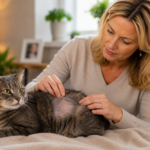
One of the most common causes is arthritis or joint pain. Many senior cats develop stiffness that makes running, jumping, or chasing toys uncomfortable. Because cats are excellent at hiding pain, owners may not immediately realize their pet is struggling physically. A cat with arthritis may hesitate before jumping, move more slowly, or avoid activities that once seemed easy.
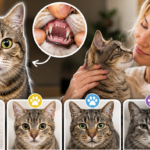
Dental disease can also affect playfulness. Cats experiencing oral pain may feel tired, irritable, or less interested in interaction. Kidney disease, diabetes, hyperthyroidism, and other common senior cat illnesses may also reduce energy levels and overall enthusiasm.
Mental changes can play a role as well. Some aging cats experience cognitive decline, which may affect curiosity and engagement with their environment. Stress, boredom, loneliness, or major household changes can also reduce motivation to play.
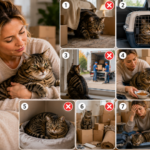
Fortunately, there are many ways owners can help bring back some energy and activity in senior cats. The first step is scheduling a veterinary checkup if the behavior change appears sudden or severe. Treating underlying medical conditions often improves activity levels significantly.
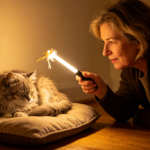
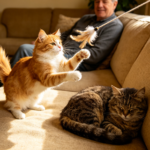
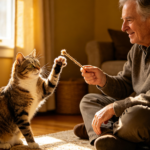
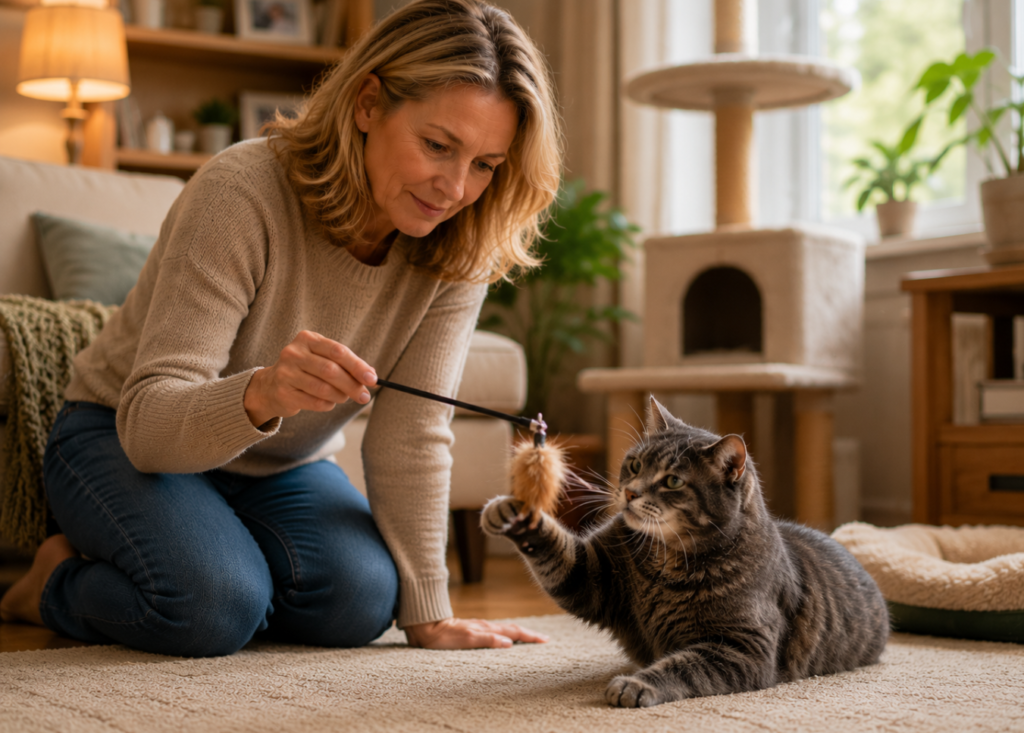
Choosing the right toys is also important. Senior cats may no longer enjoy intense or physically demanding play, but they often respond well to gentle interactive toys. Feather wands, soft rolling toys, or slow-moving laser games can encourage movement without causing strain. Short play sessions are usually better than long, exhausting activities.
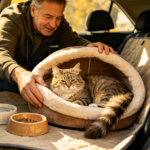
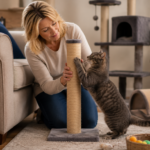
Comfortable environments also make a big difference. Cats with mobility problems may avoid playing if they struggle to move around easily. Providing soft flooring, pet ramps, and accessible spaces can help older cats feel more confident and active.
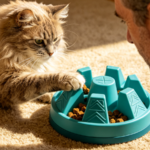
Mental stimulation is equally important. Puzzle feeders, window perches, and interactive enrichment activities help keep aging cats curious and engaged. Watching birds outside a window or exploring new safe toys can provide valuable mental exercise.
Nutrition may also affect energy levels. Senior cats benefit from high-quality diets designed to support aging muscles, joints, and overall health. Proper hydration is especially important because dehydration can contribute to weakness and fatigue.
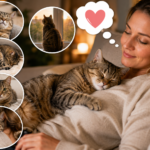
Perhaps most importantly, owners should adjust expectations while remaining patient. Senior cats may never play with the same intensity they had as kittens, but that does not mean they cannot still enjoy activity and interaction. Gentle encouragement and positive experiences often help older cats stay emotionally connected and physically active.
Aging changes a cat’s body and behavior, but play remains an important part of emotional and physical health. With proper care, medical attention, and supportive routines, many senior cats can regain interest in movement, stimulation, and companionship well into their golden years.
Related posts:
 Common Health Problems in Senior Cats and Warning Signs Every Owner Should Know
 10 Essential Tips to Create a Comfortable and Safe Space for Your Senior Cat
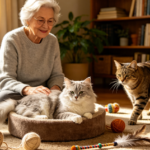 Why Senior Cats Stop Playing and How to Encourage Them to Stay Active
 How Often Should Senior Cats Get Checkups and How to Prepare
 Top 7 Ways to Make Your Senior Cat Live Longer and Happier
 What Can Owners Do to Help Senior Cats Live Longer and Good Health
 How Often Should Senior Cats Visit the Vet? A Complete Health Check Guide
 Do Senior Cats Miss You More When You’re Away? Understanding Emotional Attachment in Aging Cats
 When Is a Cat Considered Senior? Cat Age and Aging Explained
 Why Older Cats Become Aggressive and What Owners Should Know