






Senior Cat Skin Issues: Why Your Feline Itches & Develops Bald Spots, Plus Practical Treatments
As cats age past 11 years old, their skin and coat health gradually decline, making senior cats far more prone to itching, irritation, hair loss, and patchy bald spots. Unlike young cats with strong skin immunity and healthy fur regeneration, aging felines have thinner skin, weaker oil gland function, and slower hair growth. Persistent scratching, licking, and bald patches are not just cosmetic problems—they are clear warning signs of underlying skin issues that can lower senior cats’ quality of life. Understanding the common causes and safe, practical treatments helps owners relieve their cats’ discomfort and prevent worsening skin conditions.
There are several leading causes of itching and bald spots in senior cats. First, dry and sensitive aging skin is the most common trigger. Senior skin loses natural moisture and protective oils easily, especially in dry indoor environments, causing constant itchiness and over-grooming. Second, allergies to food, dust, or pollen lead to chronic inflammation, resulting in red skin and patchy hair loss. Third, parasites such as fleas and mites irritate aging skin more severely, even with mild infestations. Finally, underlying health problems, including hormonal imbalances, kidney issues, or thyroid disorders, often manifest as poor coat condition and unexplained bald spots in older cats.
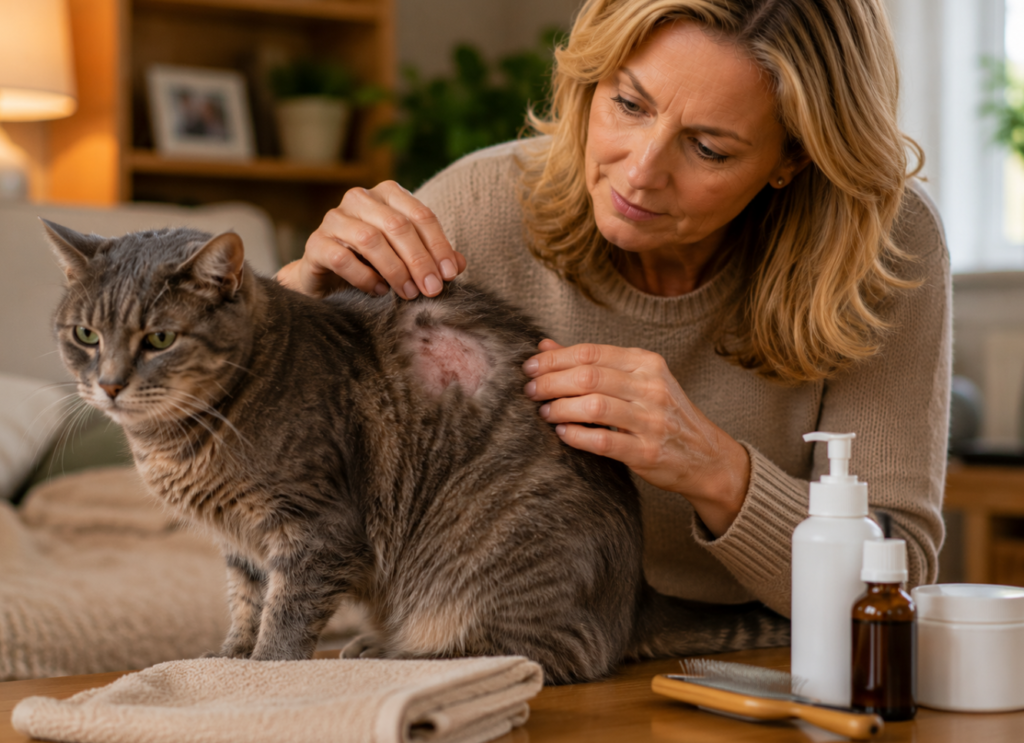
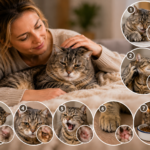
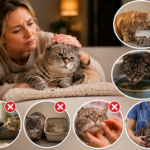
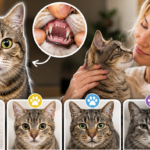
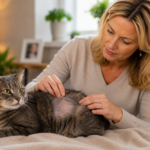
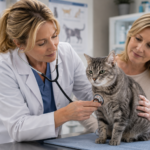
Owners should watch for typical symptoms beyond bald patches: frequent scratching, excessive licking or biting the skin, flaky dandruff, red rashes, scabs, and rough, dull fur. If these signs last more than a week, professional veterinary checks are necessary to rule out systemic diseases.
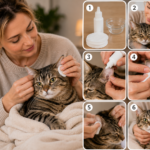
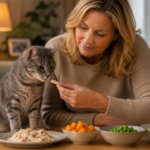
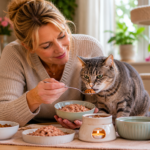
Thankfully, most senior cat skin problems can be improved with gentle, practical at-home treatments and daily care. First, maintain consistent parasite prevention all year round to eliminate external irritants. Second, switch to hypoallergenic, high-protein senior cat food to reduce food allergies and support skin repair. Adding omega-3 supplements can effectively soothe inflammation and restore skin moisture.
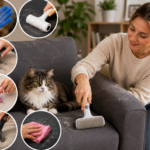
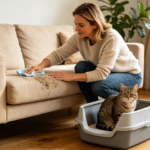
Third, groom your senior cat gently with soft brushes to remove dead fur and stimulate blood circulation. Avoid frequent bathing, which strips protective skin oils; use only vet-recommended mild, fragrance-free cat shampoo when necessary. Fourth, keep living environments clean and humidified to relieve dry skin, and regularly wash cat beds and blankets to reduce dust and allergens.
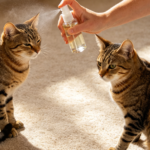
For severe cases with persistent itching, open sores, or large bald areas, always consult a veterinarian for medicated sprays, anti-inflammatory treatments, or targeted therapy. Never use human skin medications, as they may contain toxic ingredients for cats.
In short, senior cat skin issues are mostly treatable with early detection and gentle daily care. By addressing the root causes, soothing irritated skin, and improving living conditions, owners can help their aging cats stop itching, regrow healthy fur, and enjoy comfortable golden years.
Related posts:
 10 Common Health Problems in Senior Cats You Should Never Ignore
 Common Senior Cat Health Problems You Should Never Ignore
 Why Is My Senior Cat Losing Weight Suddenly? Top Health Reasons and How to Help
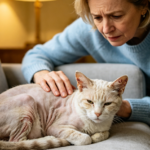 7 Silent Senior Cat Health Issues Most Owners Miss Until It’s Too Late
 Top 10 Tips to Help Your Senior Cat Thrive in Their Golden Years and Improve Your Senior Cat’s
 Why Your Senior Cat Meows at Night: Health Reasons Explained
 How Often Should Senior Cats Visit the Vet? A Complete Health Check Guide
 Why Is My Senior Cat Constipated? Common Causes and Solutions Explained
 Senior Cat Losing Weight: Natural Aging or a Health Problem?
 Does Your Senior Cat Have Arthritis? Quiet Signs You Shouldn’t Ignore