

















6 Basic Rules for Feeding Senior Cats Correctly and Keeping Them Healthy
As cats grow older, their nutritional needs begin to change. Senior cats often become less active, develop sensitive digestion, or face health conditions that require special dietary care. Feeding an aging cat properly is one of the most important ways owners can support long-term health, comfort, and quality of life.
Here are six basic rules every owner should follow when feeding senior cats.
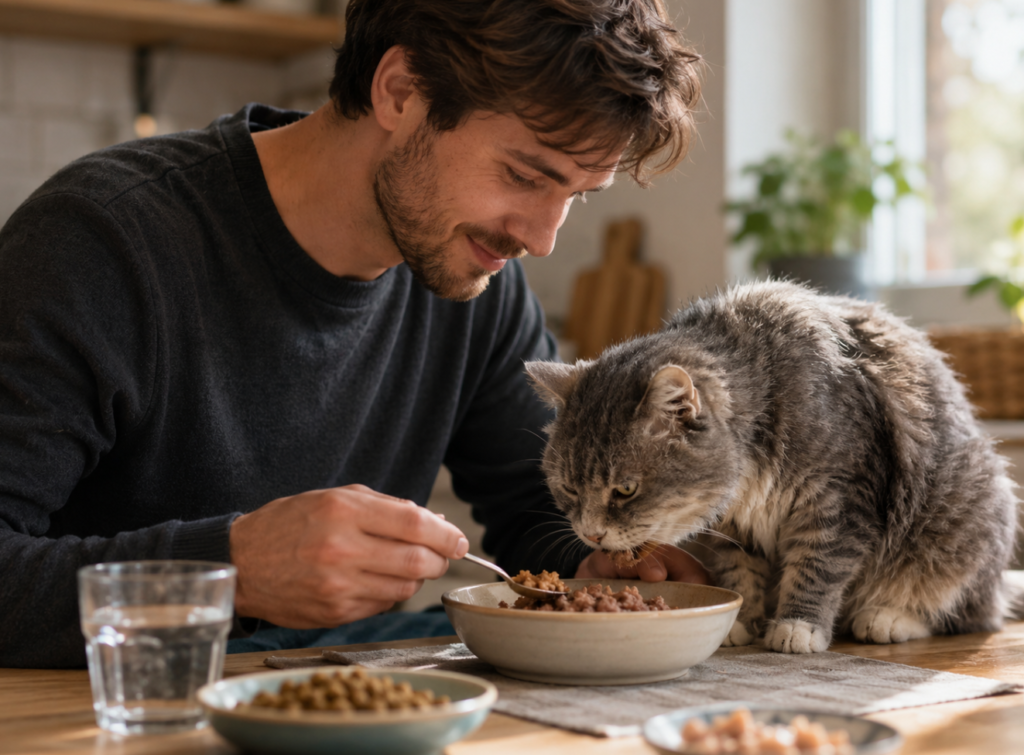
1. Choose Food Designed for Senior Cats
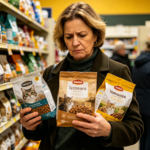
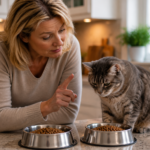
Senior cats benefit from food specifically formulated for aging bodies. High-quality senior cat food usually contains balanced protein, vitamins, and minerals that support joint health, digestion, and organ function. Older cats may also need fewer calories if they become less active, helping prevent unhealthy weight gain.
Some senior cats have medical conditions such as kidney disease or diabetes that require specialized diets recommended by a veterinarian.
2. Prioritize Hydration
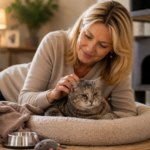
Dehydration is a common problem in elderly cats, especially those with kidney issues. Wet food can help increase daily water intake because it contains much more moisture than dry kibble. Providing fresh water in multiple locations around the home also encourages drinking.
Some cats prefer water fountains because moving water feels fresher and more appealing.
3. Feed Smaller, More Frequent Meals
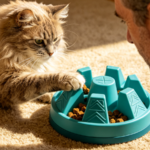
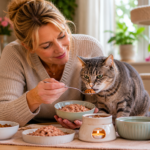
Large meals may become difficult for older cats to digest comfortably. Smaller portions given several times throughout the day are often easier on the stomach and may help maintain stable energy levels. Frequent meals can also encourage cats with reduced appetite to eat more consistently.
Maintaining a regular feeding schedule helps senior cats feel secure and supports healthy digestion.
4. Monitor Weight and Appetite Closely
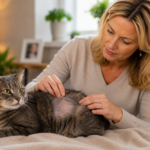
Weight changes in senior cats should never be ignored. Sudden weight loss may signal illness, dental pain, or digestive problems, while obesity can place extra stress on joints and organs. Owners should regularly monitor body condition and eating habits for any noticeable changes.
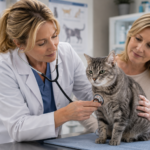
A senior cat refusing food for more than a day should be evaluated by a veterinarian as soon as possible.
5. Consider Dental Health
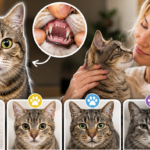
Many elderly cats suffer from dental disease, making chewing painful or uncomfortable. Cats with sensitive teeth may prefer soft food or smaller food pieces that are easier to eat. Bad breath, drooling, or difficulty chewing can all indicate oral health problems that require veterinary care.
Healthy teeth and gums play an important role in maintaining appetite and overall nutrition.
6. Avoid Unsafe Human Foods
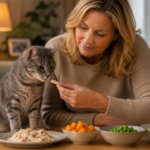
Although some plain human foods like cooked chicken or pumpkin can be safe occasionally, many common foods are dangerous for cats. Onions, garlic, chocolate, grapes, alcohol, and heavily seasoned foods should always be avoided.
Treats should remain limited and should never replace balanced cat nutrition.
Feeding senior cats correctly is about much more than simply filling a bowl. Aging cats require careful attention to nutrition, hydration, comfort, and changing health needs. Small adjustments in diet and feeding habits can significantly improve energy levels, digestion, and overall well-being.
With proper nutrition, regular veterinary care, and close observation, senior cats can continue living healthy, comfortable, and happy lives throughout their golden years.
Related posts:
 Best Food for Senior Cats: Wet vs Dry Food Guide
 Senior Cat Diet: What to Feed and What to Avoid Every Cat Owner Needs to Know
 Best Treats for Senior Cats With Sensitive Stomachs to Prevent Upset Digestion
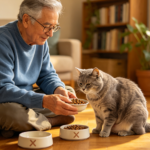 What Senior Cats Should Eat and Avoid Completely: The Ultimate Guide to Safe Nutrition for Aging Cats
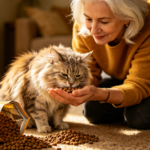 Best Senior Cat Food 2026: What Every Owner Should Buy
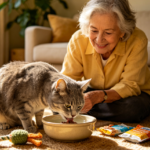 How Much Water Should a Senior Cat Drink Daily and How to Encourage More Water Intake
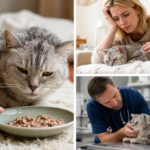 Senior Cat Not Eating? Common Causes and Simple Solutions Every Owner Should Know
 Top Joint Supplements for Senior Cats to Reduce Pain and Improve Movement
 Senior Cat Drinking More Water: Should You Worry About Their Health?
 What Human Foods Can Senior Cats Eat Safely? A Helpful Guide for Owners