

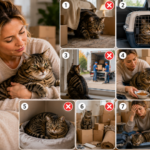


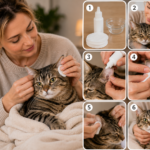


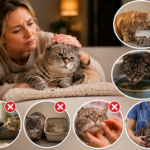































Why Is My Cat Not Eating? Common Causes and Effective Solutions
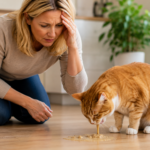
A cat that suddenly stops eating can quickly become a source of concern for any pet owner. While some cats may occasionally skip a meal, a prolonged loss of appetite can signal an underlying health or behavioral issue. Because cats are particularly sensitive to changes in eating habits, it is important to understand the possible causes and know when to seek help.
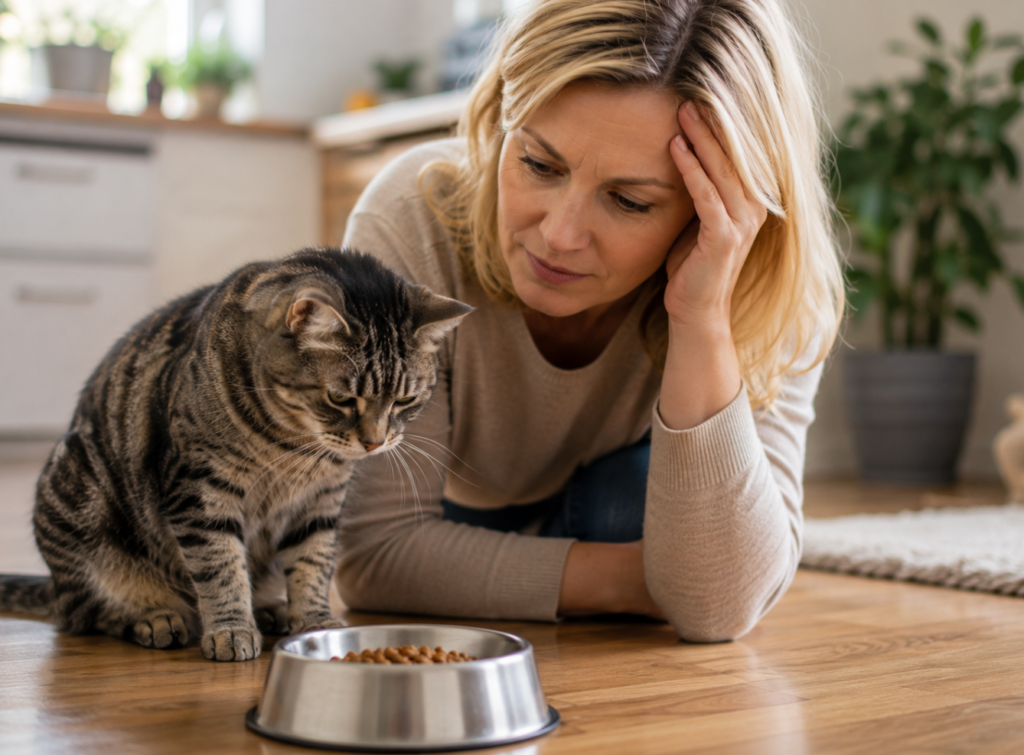
Common Causes of Appetite Loss
1. Dental Problems
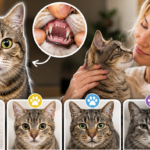
One of the most common reasons cats stop eating is dental pain. Tooth decay, gum disease, broken teeth, or oral infections can make chewing uncomfortable. Cats with dental issues may approach their food bowl but walk away after taking only a few bites.
2. Illness or Medical Conditions
Many health conditions can reduce a cat’s appetite. Kidney disease, diabetes, hyperthyroidism, digestive disorders, infections, and liver disease are all possible causes. In senior cats, appetite loss is often one of the first signs that something is wrong.
3. Stress and Anxiety
Cats are creatures of habit and can become stressed by changes in their environment. Moving to a new home, introducing a new pet, loud noises, or changes in routine may cause temporary appetite loss.
4. Food Preferences
Sometimes the issue is as simple as the food itself. Cats can become picky eaters and may reject food if the formula changes, the food is stale, or they simply dislike the flavor.
5. Digestive Upset
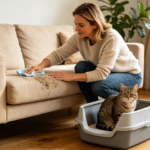
Hairballs, constipation, stomach irritation, or mild gastrointestinal problems can make a cat feel uncomfortable and unwilling to eat.
Effective Solutions
Check for Obvious Problems
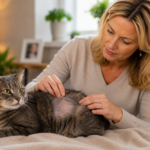
Observe your cat closely for signs of drooling, bad breath, vomiting, diarrhea, weight loss, or difficulty chewing. These clues may help identify the underlying cause.
Make Food More Appealing
Warming wet food slightly can enhance its aroma and encourage eating. Offering fresh food, trying different textures, or adding a small amount of low-sodium broth may also stimulate appetite.
Reduce Stress
Provide a quiet feeding area away from noise, children, or other pets. Maintaining a consistent routine can help anxious cats feel more secure.
Encourage Hydration
Dehydration often accompanies appetite loss. Ensure fresh water is always available and consider offering wet food to increase moisture intake.
Visit the Veterinarian
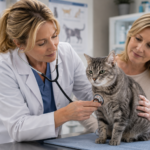
If your cat refuses food for more than 24 hours, or if appetite loss is accompanied by other symptoms, professional veterinary care is essential. Cats can develop serious complications when they go too long without eating.
Conclusion
Loss of appetite is never something cat owners should ignore. Whether the cause is dental pain, illness, stress, or digestive discomfort, identifying the problem early can make a significant difference in your cat’s recovery.
By monitoring eating habits, providing a comfortable environment, and seeking veterinary guidance when necessary, you can help your cat return to healthy eating and maintain a happy, active life.
Related posts:
 Senior Cat Not Eating? Common Causes and Simple Solutions Every Owner Should Know
 Best Food for Senior Cats: Wet vs Dry Food Guide
 Senior Cat Diet: What to Feed and What to Avoid Every Cat Owner Needs to Know
 Best Treats for Senior Cats With Sensitive Stomachs to Prevent Upset Digestion
 What Senior Cats Should Eat and Avoid Completely: The Ultimate Guide to Safe Nutrition for Aging Cats
 Best Senior Cat Food 2026: What Every Owner Should Buy
 How Much Water Should a Senior Cat Drink Daily and How to Encourage More Water Intake
 Top Joint Supplements for Senior Cats to Reduce Pain and Improve Movement
 What Human Foods Can Senior Cats Eat Safely? A Helpful Guide for Owners
 6 Basic Rules for Feeding Senior Cats Correctly and Keeping Them Healthy