














10 Common Health Problems in Senior Cats You Should Never Ignore
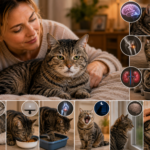
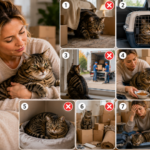
As cats reach 10 years and older, they enter their senior life stage. Their metabolism slows down, organs weaken gradually, and they become far more likely to develop chronic health illnesses. Many cat owners mistakenly treat fatigue, appetite changes and reduced activity as normal aging signs. In fact, most unusual changes are early warnings of serious diseases. Ignoring these symptoms greatly shortens a cat’s lifespan and ruins their quality of life. Knowing the 10 most frequent health risks of senior cats allows you to seek veterinary help early and keep your old cat healthy and comfortable for longer.
1.Chronic Kidney Disease
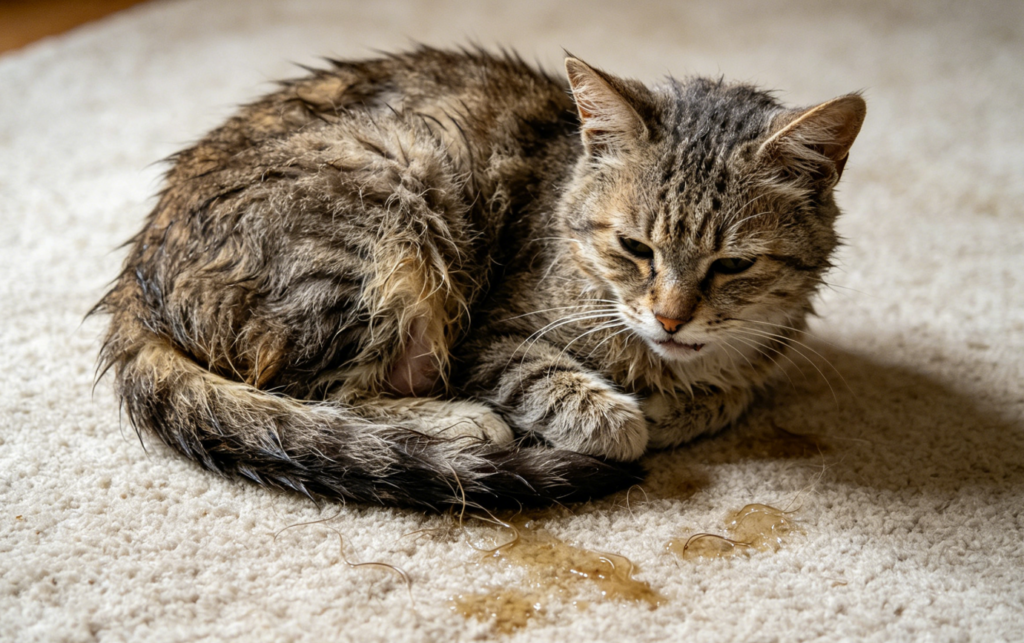
Kidney disease is the top silent killer of older cats. Kidney function declines naturally with age, and damage cannot be reversed once it becomes severe. Typical signs include drinking much more water, frequent urination, unexplained weight loss, vomiting and low energy. Most owners only notice problems when the illness is already advanced. Regular blood and urine tests after age 10 help detect issues early. Special renal diets and medical treatment can slow progression and protect remaining kidney function for years.
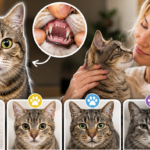
2.Periodontal & Dental Disease
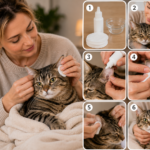
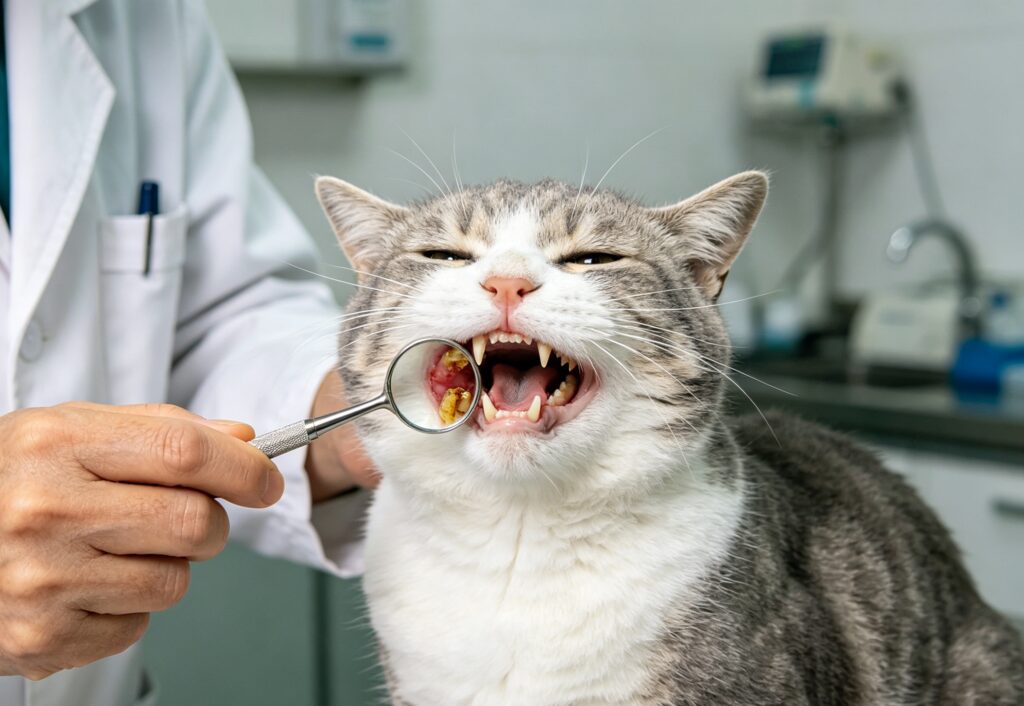
Over 70% of senior cats suffer from dental problems. Tartar, inflamed gums and painful tooth decay cause hidden pain cats hide very well. Warning signs include bad breath, dropping food while eating, refusing hard kibble and pawing at their mouth. Bad dental bacteria can spread to the heart, liver and kidneys, worsening other age-related illnesses. Regular dental cleanings and gentle tooth care greatly reduce infection risks and improve eating comfort.
3.Hyperthyroidism
This common hormone disorder speeds up the whole body metabolism. Affected cats eat much more but still lose weight quickly. They also act restless, meow loudly at night, have fast heartbeats and suffer digestive upset. Left untreated, it causes high blood pressure and permanent heart damage. Hyperthyroidism responds very well to medication, special diets and simple veterinary treatments, making early diagnosis extremely valuable.
4.Arthritis & Joint Pain
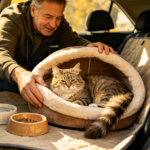
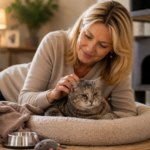
Aging wears down joint cartilage and causes painful inflammation. Cats rarely limp openly. Instead, they struggle jumping onto furniture, move slowly, avoid climbing and dislike being touched on their back legs. Stiffness after sleeping and worse pain in cold weather are clear signs. Soft orthopedic beds, gentle ramps and joint supplements reduce discomfort and help older cats stay mobile and independent.
5.Feline Diabetes
Diabetes mostly affects overweight senior cats. The body cannot control blood sugar properly, leading to constant thirst, frequent peeing, huge appetite and ongoing weight loss. Lethargy and cloudy eyes appear as symptoms get worse. With low-carb senior food, weight control and simple daily medication, most diabetic cats live full, normal lifespans. Untreated diabetes leads to organ failure and dangerous urinary blockages.
6.Unintentional Weight Loss
Small weight changes happen with age, but rapid weight loss is never normal. It usually signals kidney disease, thyroid issues, diabetes, dental pain or hidden illness. Loss of taste and smell also makes older cats eat less and lose muscle quickly. Losing more than 5% body weight in one month always requires an urgent vet checkup to avoid dangerous malnutrition and weakness.
7.Cognitive Dysfunction Syndrome
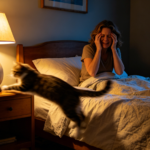
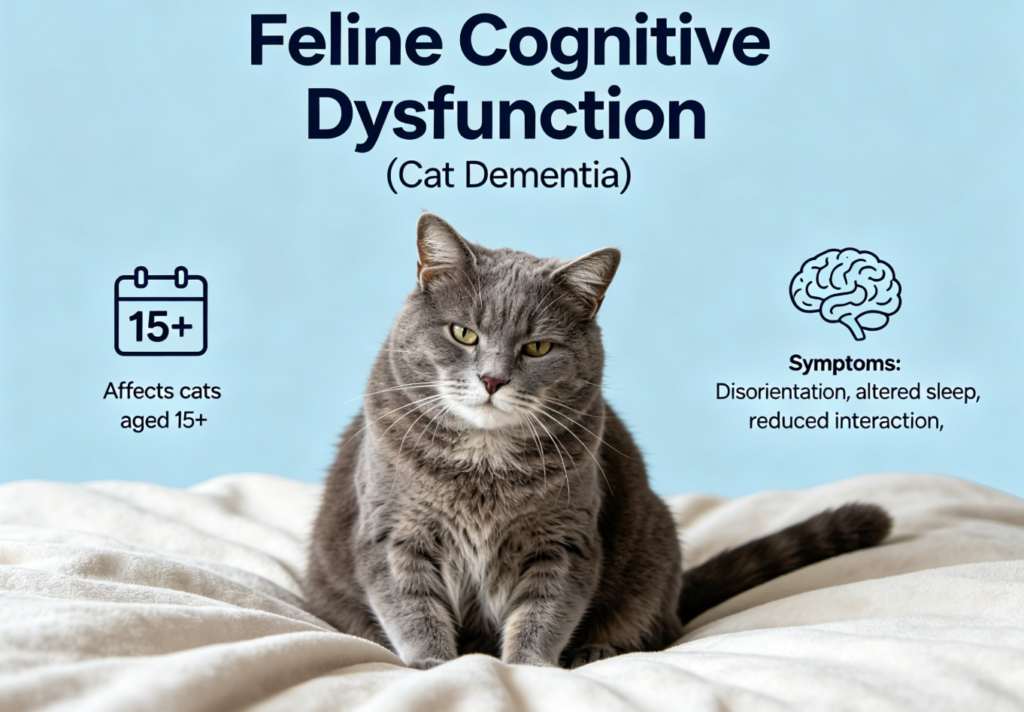
Also called cat dementia, this brain condition affects geriatric cats over 15. They become confused, wander aimlessly, mix up day and night sleep schedules, meow randomly and forget litter box habits. Many cats no longer recognize familiar people or rooms. Stable daily routines, unchanged home layouts and calming supplements reduce anxiety and slow mental decline significantly.
8.High Blood Pressure
Hypertension usually follows kidney disease or thyroid problems. It has almost no obvious early signs and damages eyes, brains and organs silently. Untreated high pressure causes sudden blindness, seizures and strokes. All cats over 10 need regular blood pressure checks. Simple daily pills easily control feline hypertension and prevent life-threatening emergencies.
9.Chronic Digestive Problems
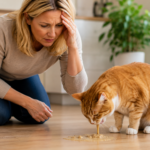
Aging slows gut movement, causing frequent constipation, vomiting and poor nutrient absorption. Dehydration and low-fiber diets make constipation extremely painful and dangerous. Switching to soft senior wet food, increasing water intake and controlling hairballs keeps digestion stable. Ongoing stomach upset always points to deeper internal health problems needing testing.
10.Urinary Tract Disorders
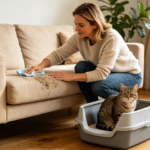
UTIs, bladder stones and incontinence are very common in old cats. Symptoms include straining to pee, bloody urine, accidents outside the litter box and frequent litter box visits. Male cats face deadly urinary blockage risks. Clean litter boxes, plenty of fresh water and urinary-friendly diets lower risks greatly. Any urination changes need immediate veterinary attention.
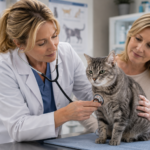
Senior cat care relies on careful daily observation. Aging itself is not an illness, but it brings predictable health challenges. By understanding these 10 common conditions, visiting the vet twice yearly and adjusting food and living spaces for old age, you can greatly extend your cat’s happy golden years. Small daily changes you notice today will protect your beloved companion from unnecessary pain and illness far into the future.

Hi, this is a comment.
To get started with moderating, editing, and deleting comments, please visit the Comments screen in the dashboard.
Commenter avatars come from Gravatar.