


























Senior Cat Diet: What to Feed and What to Avoid Every Cat Owner Needs to Know
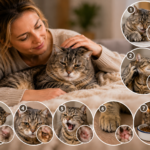
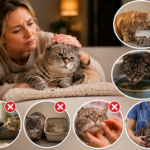
As cats enter their senior years (11 years and older), their bodies undergo significant changes—slower metabolism, reduced mobility, and increased risk of age-related health issues like kidney disease, dental problems, and obesity. A tailored diet is one of the most powerful tools to support their health, extend their lifespan, and keep them comfortable. However, knowing what to feed and what to avoid can be overwhelming for many cat owners. This guide breaks down the essential dietary guidelines for senior cats, outlining the best foods to prioritize and the harmful ones to steer clear of, ensuring your feline companion gets the nutrition they need in their golden years.
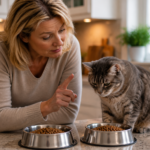
When it comes to what to feed senior cats, prioritize high-quality, senior-specific formulas. These diets are specially formulated to address the unique needs of aging felines: they are lower in calories to prevent obesity (a common issue for less active seniors), higher in protein to preserve muscle mass (which naturally declines with age), and fortified with essential nutrients like joint supplements (glucosamine and chondroitin) to support mobility, and antioxidants to boost immune health.
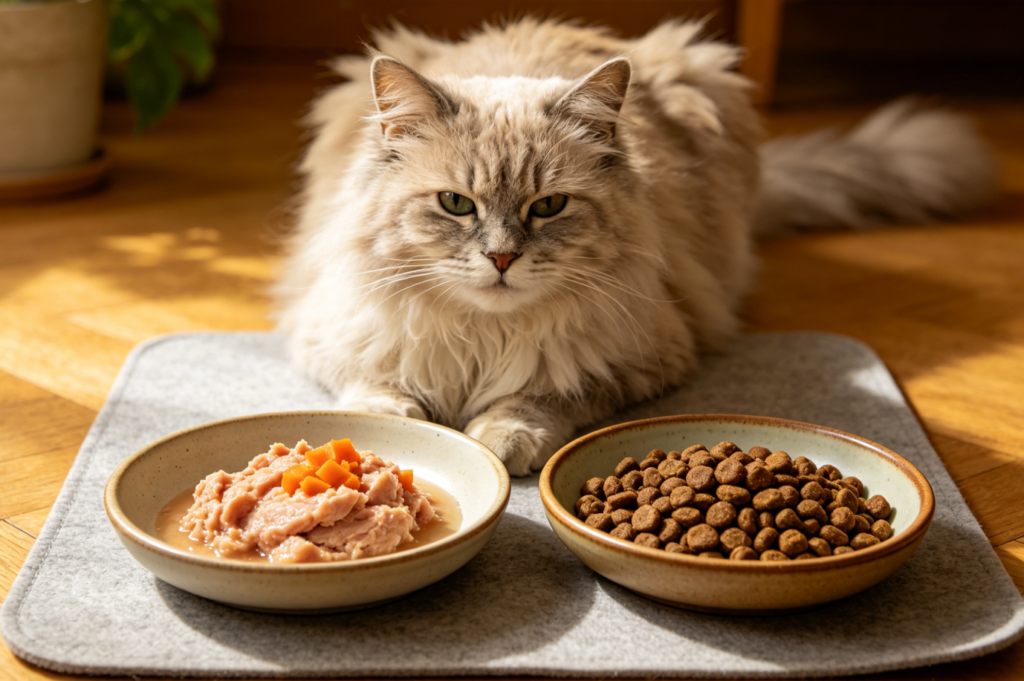
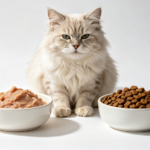
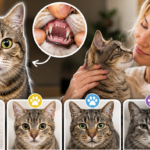
Protein is non-negotiable for senior cats—look for formulas where animal-based protein (chicken, turkey, fish, or beef) is the first ingredient. Unlike plant-based proteins, animal proteins are complete, meaning they contain all the amino acids senior cats need to maintain muscle and overall health. Wet food is often an excellent choice for seniors, as its high moisture content (70–80%) helps prevent dehydration—a critical concern for cats prone to kidney disease or urinary tract issues. For cats with dental problems, soft, wet food is easier to chew than dry kibble, though some senior-specific dry formulas are designed to be softer and gentler on teeth.
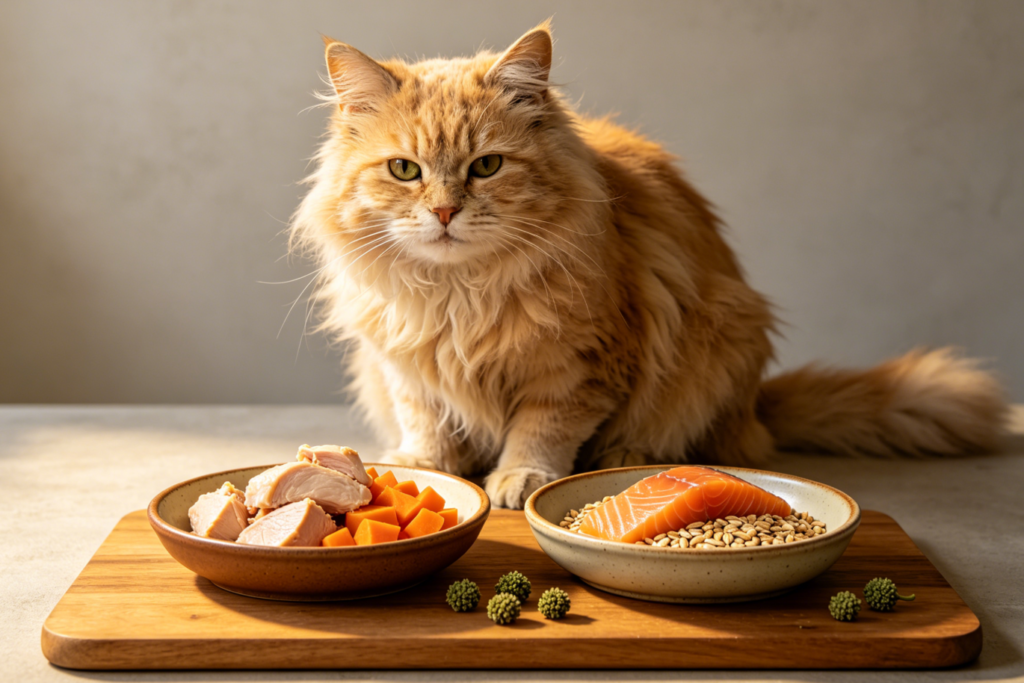
Fiber is another key component of a senior cat’s diet. Moderate fiber levels help support digestive health, prevent constipation (common in less active seniors), and aid in weight management by promoting a feeling of fullness. Look for diets that include natural fiber sources like pumpkin, sweet potato, or beet pulp, rather than synthetic fillers.
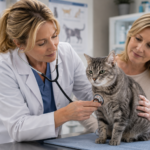
Additionally, senior cats may benefit from diets tailored to specific health conditions. For example, if your cat has chronic kidney disease, opt for a low-phosphorus, low-sodium formula; for hyperthyroidism, a low-iodine diet may be recommended. Always consult your vet before switching to a prescription diet.
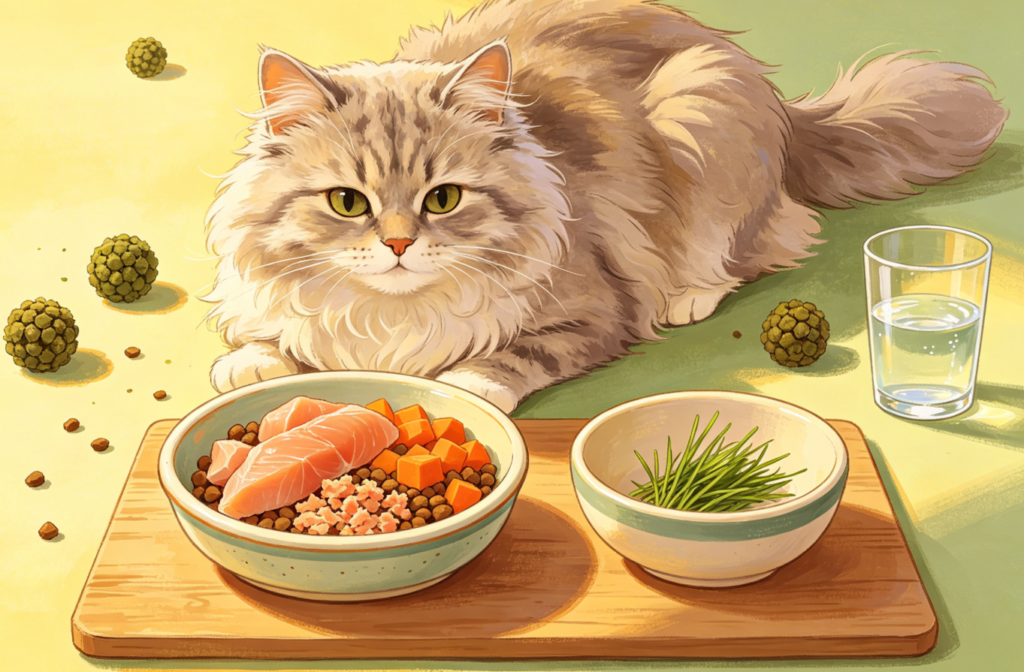
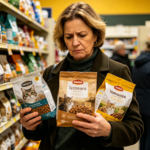
Now, let’s focus on what to avoid feeding your senior cat. First, avoid low-quality foods with excessive fillers (like corn, wheat, or soy). These ingredients offer little nutritional value, can cause digestive upset, and may contribute to weight gain or nutrient deficiencies. Steer clear of foods with artificial preservatives, colors, or flavors, as these can irritate sensitive digestive systems and may have long-term health risks.
High-sodium foods are dangerous for senior cats, as they can strain the heart and kidneys—avoid giving your cat table scraps (like salty meats, sauces, or processed foods), as well as commercial foods with high sodium levels. Similarly, high-fat foods (such as fatty meats, fried foods, or excessive treats) can lead to obesity, pancreatitis, and other health issues, so limit treats to no more than 10% of your cat’s daily calorie intake.
Avoid feeding your senior cat raw or undercooked meat, eggs, or fish—these can contain harmful bacteria (like Salmonella) that pose a greater risk to older cats with weakened immune systems. Also, skip dairy products (milk, cheese) as most adult cats are lactose intolerant, and dairy can cause diarrhea or digestive discomfort.
Finally, never feed your cat toxic foods, including chocolate, caffeine, grapes, raisins, onions, garlic, and xylitol (a sugar substitute). These can cause severe illness, organ damage, or even death in cats of any age, but senior cats are particularly vulnerable.
In conclusion, a senior cat’s diet should be high in quality protein, moderate in fiber, low in calories and sodium, and rich in essential nutrients. By choosing senior-specific formulas, avoiding fillers and harmful ingredients, and consulting your vet about any health-specific needs, you can ensure your senior cat gets the nutrition they need to stay healthy, happy, and comfortable. Remember, a well-balanced diet is the foundation of your cat’s golden years.