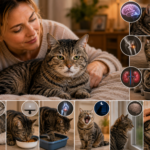
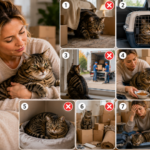














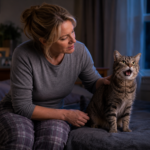


10 Essential Tips to Create a Comfortable and Safe Space for Your Senior Cat
As cats enter their golden years—typically around age 10 and beyond—their needs change significantly. Arthritis, reduced vision, hearing loss, and slower reflexes become common, making their environment crucial for both physical comfort and emotional security. Creating a dedicated senior-friendly space helps minimize stress, supports mobility, and allows your aging feline to maintain dignity and joy in daily life. Here are 10 essential tips to transform any area of your home into a haven for your senior cat.
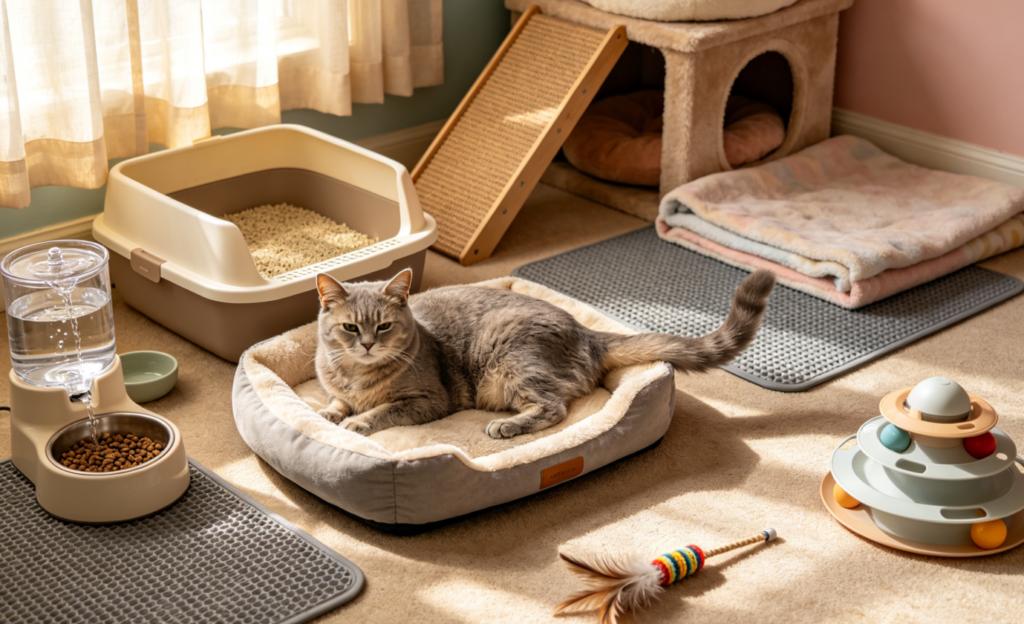
1. Prioritize Accessibility Everywhere Senior cats often struggle with jumps they once made effortlessly. Install gentle ramps or sturdy pet steps leading to beds, windowsills, and favorite perches. Place food and water bowls on low platforms or use elevated bowls with wide bases to reduce neck strain. Ensure all essential areas are on the ground floor if possible, or create easy pathways between levels.
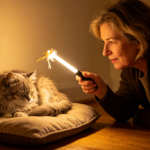
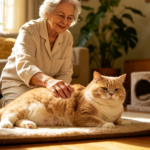
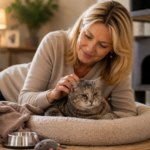
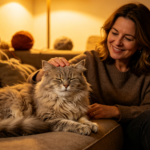
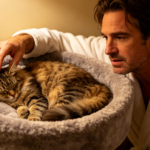
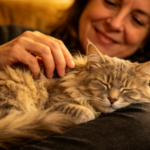
2. Invest in Orthopedic and Warm Bedding Joint pain is common in older cats. Choose thick, orthopedic foam beds with memory foam or plush padding that cushion pressure points. Heated beds or pads (set on low with protective covers) provide soothing warmth for arthritic joints. Position beds in quiet, draft-free corners away from noisy appliances.
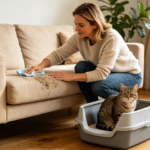
3. Optimize Litter Box Setup Mobility issues and accidents often stem from difficult litter boxes. Select large boxes with low, wide entries—some models feature cut-down sides or built-in ramps. Place multiple boxes on every level of the home, keeping them in quiet, easily reachable locations. Consider uncovered boxes for cats with balance problems.
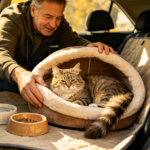
4. Create Safe Hiding and Retreat Spots Even senior cats need security. Provide low-entry cardboard boxes, covered beds, or soft tunnels where they can observe without feeling exposed. Avoid high perches unless ramps are provided. These retreats help anxious seniors feel in control during household changes or visitor arrivals.
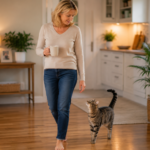
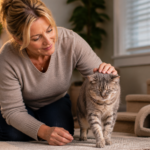
5. Improve Traction and Flooring Slippery floors become hazardous for cats with weakened muscles or arthritis. Add non-slip rugs, yoga mats, or carpet runners along main pathways. This simple change prevents painful slips and gives your cat confidence to move around independently.
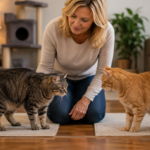
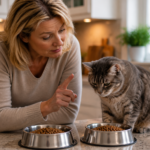
6. Set Up Easy-Access Nutrition Stations Dehydration and malnutrition are risks for seniors. Place several water stations around the home—consider pet fountains with gentle streams that encourage drinking. Keep dry food in shallow dishes and wet food slightly warmed to enhance aroma. Multiple small stations prevent long treks for meals.
7. Control Lighting and Reduce Sensory Overload Aging eyes and ears need consideration. Provide soft, consistent lighting to help with vision decline—avoid sudden bright lights or total darkness. Create quiet zones away from loud TVs, vacuums, or barking dogs. White noise machines can mask startling sounds.
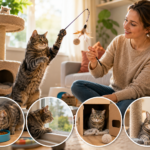
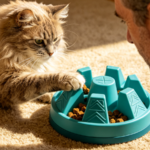
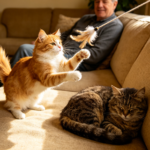
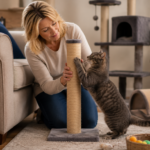
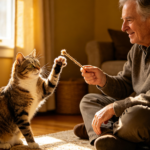
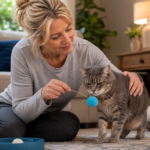
8. Incorporate Gentle Mental and Physical Stimulation Boredom affects quality of life even in seniors. Offer puzzle feeders designed for low effort, soft plush toys, or crinkle mats. Window perches with bird feeders outside provide entertainment without physical strain. Rotate items to maintain interest without overwhelming your cat.
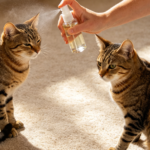
9. Maintain Consistent Temperature and Air Quality Senior cats have poorer thermoregulation. Keep the space between 75–80°F (24–27°C) and provide multiple warm zones. Use air purifiers to reduce dust and allergens that can irritate respiratory systems. Avoid strong scents from candles, air fresheners, or essential oils, which can be toxic or overwhelming.
10. Remove Hazards and Monitor Regularly Safety is paramount. Secure electrical cords, remove toxic plants (like lilies), and block access to small spaces where a frail cat might get stuck. Install baby gates to prevent falls down stairs. Review the space monthly—adjust as your cat’s needs evolve, and watch for signs that something isn’t working.
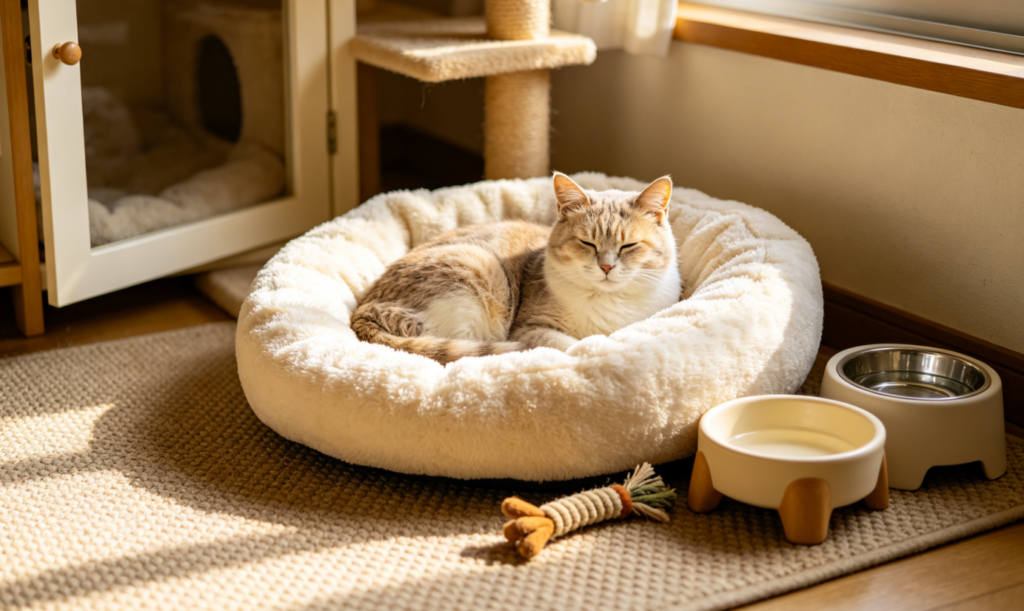
Creating this environment doesn’t require a complete home renovation. Small, thoughtful modifications can dramatically improve your senior cat’s comfort and happiness. Many owners notice increased activity, better appetite, and stronger bonds once their cat feels truly supported. Remember, every senior cat is unique—what works best may require some trial and adjustment.
By focusing on accessibility, comfort, safety, and gentle enrichment, you give your aging companion the best possible retirement. Your efforts will be rewarded with purrs, head bumps, and many more precious years together. After all, they’ve given you a lifetime of love—now it’s your turn to make their later years truly golden.
Related posts:
 Senior Cat Grooming Tips for Older Cats With Matted Fur
 How to Care for a Senior Cat in Its Final Years: Essential Tips Every Cat Owner Should Know
 10 Summer Care Tips to Protect Senior Cats From Heatstroke Every Pet Owner Should Follow
 Why Senior Cats Stop Playing and How to Encourage Them to Stay Active
 How Often Should Senior Cats Get Checkups and How to Prepare
 Top 7 Ways to Make Your Senior Cat Live Longer and Happier