














































How to Bond With Your Senior Cat Deeply in Their Golden Years
The golden years of a senior cat’s life—typically 11 years and older—are a precious time to deepen the bond you share. Unlike kittens or young cats, senior felines thrive on calm, consistency, and quiet companionship rather than high-energy play. As their bodies slow down and their needs shift, bonding with them becomes less about active interaction and more about presence, empathy, and understanding. Deepening your bond with a senior cat not only brings joy to both of you but also supports their emotional well-being, reduces stress, and helps them feel safe and loved in their later years. This guide shares gentle, meaningful ways to connect with your senior cat deeply, honoring the trust and companionship you’ve built over time.
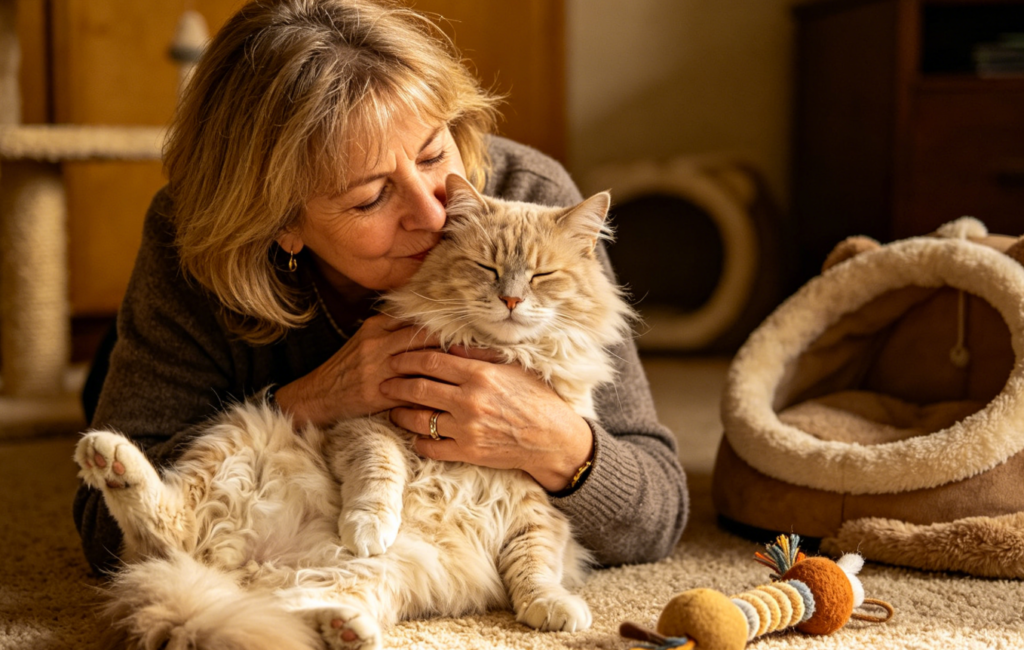
First, embrace the power of quiet presence. Senior cats spend most of their days resting, and simply being near them can strengthen your bond. Set aside time each day to sit quietly beside their favorite napping spot—read a book, work on a calm task, or just sit and pet them gently. Avoid sudden movements or loud noises, as these can startle older cats, who may be more anxious or sensitive to change. The goal is to let them know you’re there, a steady and reassuring presence they can rely on. Many senior cats will lean into your touch, purr, or rest their head on your hand—a clear sign they feel safe and connected to you.
Tailor playtime to their abilities. While senior cats may no longer chase toys for hours, gentle, low-impact play can still be a meaningful bonding activity. Choose soft, slow-moving toys like plush mice, crinkly balls, or treat-dispensing puzzles that don’t require jumping or rapid movement. Keep play sessions short (5–10 minutes at a time) and focus on fun rather than exercise. For cats with mobility issues, play while sitting on the floor, bringing the toy to them instead of making them reach. This not only engages them mentally but also reinforces your role as a source of joy and comfort.
Prioritize gentle physical affection. Many senior cats crave physical touch but may be sensitive to rough handling, especially if they have joint pain or arthritis. Learn their preferred ways of being petted—some may love chin scratches or back rubs, while others prefer gentle strokes along their sides. Avoid touching painful areas, such as swollen joints, and stop if they show signs of discomfort (hissing, pulling away). Grooming is another powerful bonding tool: brushing their coat gently with a soft brush not only keeps their fur healthy but also mimics the social grooming cats do with each other, strengthening your bond through trust and care.
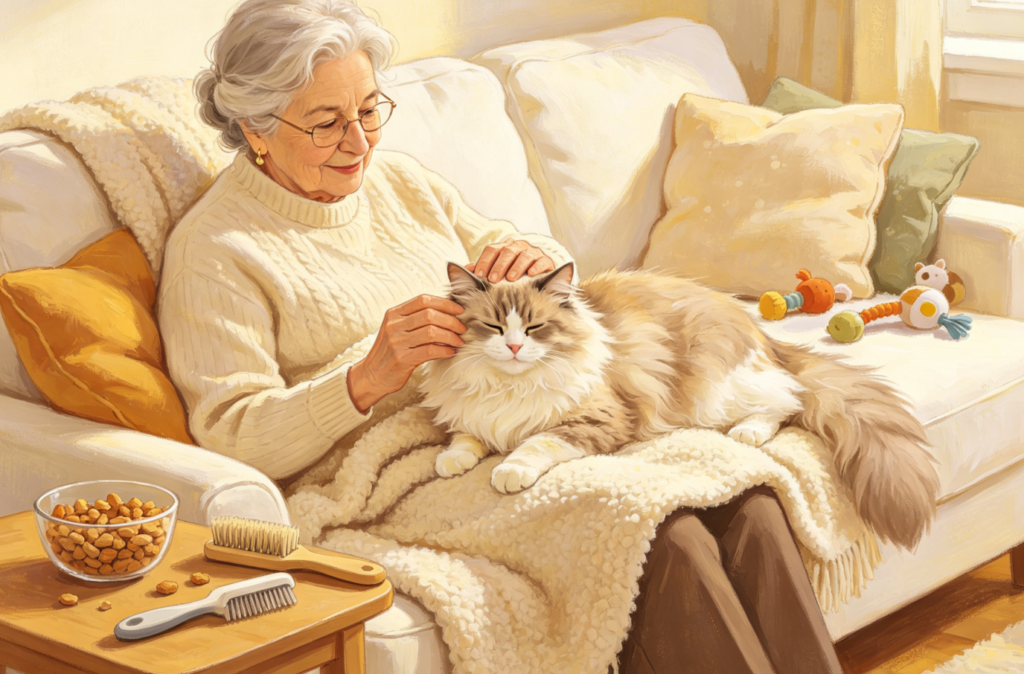
Create a routine built on consistency. Senior cats thrive on predictability—they feel secure when they know what to expect each day. Establish a consistent schedule for feeding, playtime, grooming, and cuddles. Feed them at the same times, brush them daily at a quiet hour, and set aside a specific time each evening for cuddles. Routine reduces stress and anxiety, making your cat more open to bonding. Even small, consistent gestures—like saying good morning to them when you wake up or goodnight before bed—can deepen your connection over time.
Listen to their cues and respect their boundaries. Deep bonding requires understanding and respect. Senior cats may become more independent or irritable as they age, and it’s important to honor their limits. If they want to be left alone, give them space—pushing them to interact will only strain your bond. Instead, wait for them to come to you: many senior cats will seek out your company when they’re ready, whether it’s curling up on your lap while you watch TV or nuzzling your hand for attention. Pay attention to their body language—ears forward, relaxed posture, and purring mean they’re comfortable, while flattened ears or a flicking tail signal they need space.
Incorporate comfort into your shared spaces. Make your home a safe, cozy haven for your senior cat, and include them in your daily activities. Place their bed in a room where you spend most of your time, so they can be near you even when resting. Use soft blankets or heated beds to keep them warm, especially if they have arthritis. Share small, cat-safe treats with them during quiet moments—this creates positive associations with your presence and reinforces your bond.
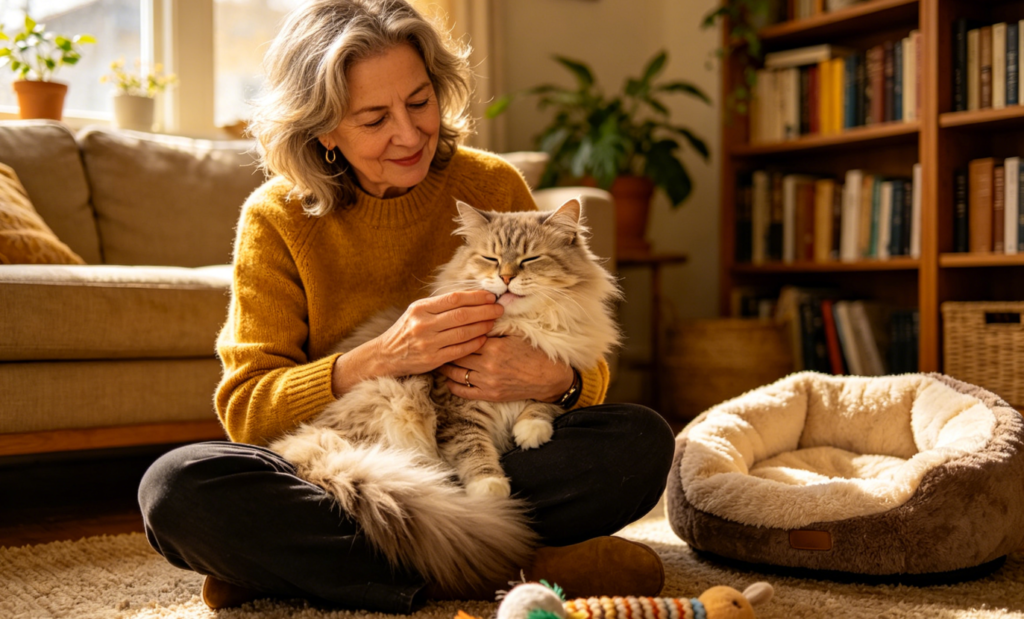
Finally, cherish every moment. The golden years are fleeting, and each interaction with your senior cat is a gift. Document your time together—take photos, note their favorite moments, and savor the quiet cuddles and gentle purrs. Even on days when they’re less active or responsive, your presence matters. Deep bonding with a senior cat isn’t about grand gestures; it’s about the small, consistent acts of love that let them know they are cherished.
In conclusion, bonding with your senior cat deeply in their golden years requires patience, empathy, and presence. By embracing quiet companionship, tailoring play to their abilities, prioritizing gentle affection, creating a consistent routine, respecting their boundaries, and cherishing every moment, you can strengthen the bond you share and ensure your senior cat feels loved, safe, and valued in their final years. This bond is a testament to the years of companionship you’ve shared—and it will bring comfort to both of you.