























Senior Cat Lethargy: Causes, Symptoms and What to Do for Concerned Pet Owners
Lethargy—extreme tiredness, lack of energy, and reduced interest in daily activities—is a common concern for owners of senior cats (11 years and older). While it’s normal for aging cats to slow down and sleep more than their younger counterparts, persistent or severe lethargy is not just a sign of “getting old”—it often signals an underlying health issue that requires attention. For concerned pet owners, understanding the causes, recognizing the key symptoms, and knowing how to respond can make all the difference in supporting their senior cat’s health and comfort. This guide breaks down everything you need to know about senior cat lethargy, from common causes to actionable steps to take when your feline companion seems unusually tired.
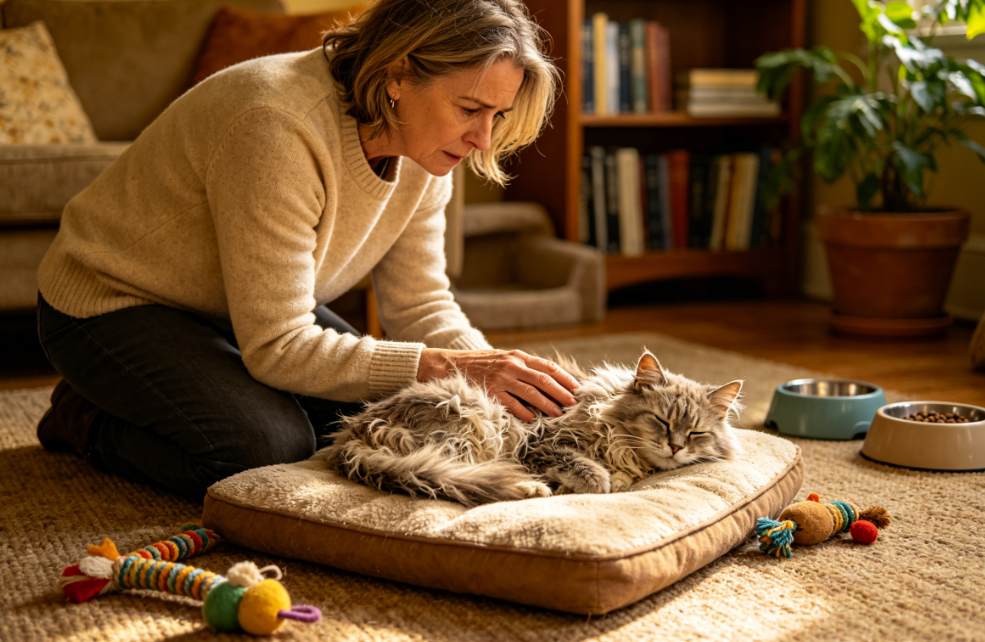
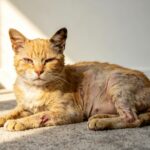
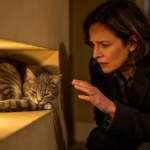
First, it’s important to distinguish between normal aging and abnormal lethargy. Senior cats naturally sleep 18–20 hours a day, but they should still show interest in food, gentle play, or cuddles when awake. Abnormal lethargy is characterized by prolonged inactivity, refusal to move, lack of response to stimuli, and disinterest in things they once enjoyed. If your senior cat spends most of its time sleeping, struggles to stand or walk, and shows no enthusiasm for food or interaction, it’s time to investigate the cause.
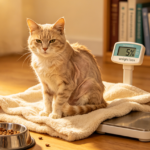
The causes of senior cat lethargy are varied, but many are related to age-related health conditions. One of the most common causes is chronic kidney disease (CKD), which affects a large number of senior cats. As the kidneys lose function, toxins build up in the body, leading to fatigue, weakness, and lethargy. Other symptoms of CKD include increased thirst, frequent urination, weight loss, and loss of appetite.
Hyperthyroidism is another common culprit. While this condition often causes hyperactivity in some cats, it can also lead to lethargy, especially if left untreated. The overproduction of thyroid hormones strains the heart and body, leaving senior cats feeling exhausted. Additional signs may include increased appetite, weight loss, and a racing heart.
Arthritis and joint pain are also major causes of lethargy in senior cats. Pain from inflamed joints makes it difficult for cats to move, so they avoid activity and sleep more to conserve energy. You may notice your cat hesitates to jump, limps, or struggles to get up from a lying position—all signs that joint pain is affecting their energy levels.
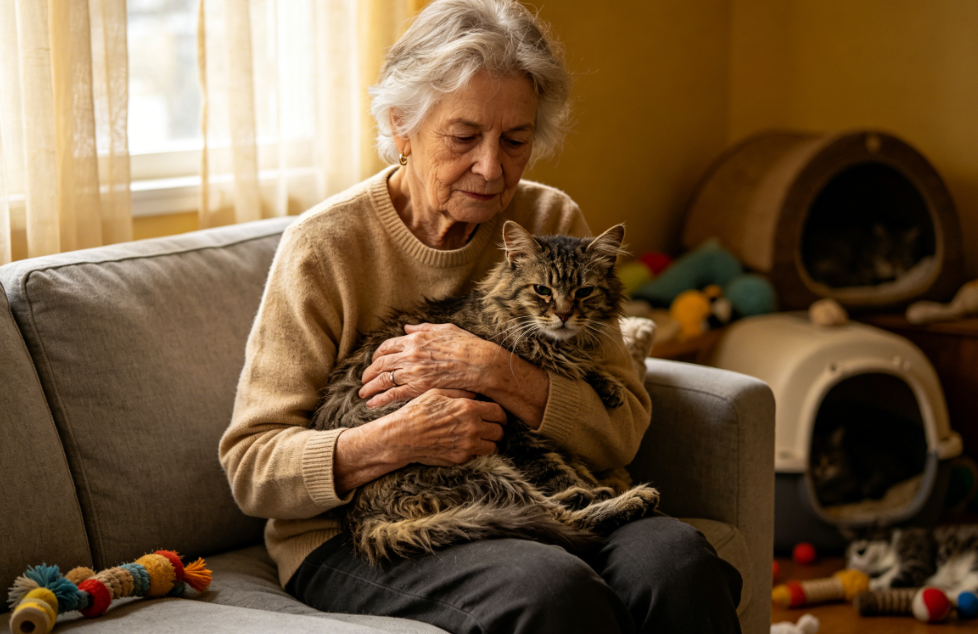
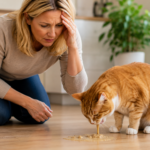
Other potential causes include diabetes, anemia, gastrointestinal issues, infections, and cognitive dysfunction syndrome (CDS). Diabetes can lead to lethargy due to unstable blood sugar levels, while anemia (low red blood cell count) reduces the body’s ability to carry oxygen, leaving cats feeling tired. Gastrointestinal issues like vomiting or diarrhea can cause dehydration and nutrient loss, leading to fatigue. CDS, similar to dementia, can make cats disoriented and lethargic, especially in their later years.
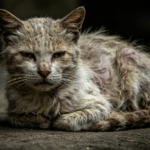
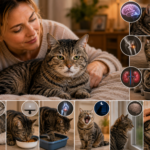
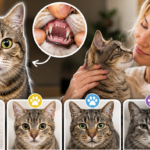
Recognizing the symptoms that accompany lethargy is key to identifying the cause. In addition to extreme tiredness, watch for weight loss, loss of appetite, increased thirst or urination, vomiting, diarrhea, limping, difficulty breathing, dull coat, and changes in behavior (such as withdrawal or irritability). These symptoms, when paired with lethargy, provide important clues for your vet to diagnose the underlying issue.
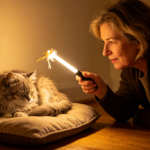
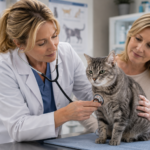
So, what should you do if your senior cat is lethargic? The first and most critical step is to schedule a vet visit promptly. Do not dismiss lethargy as “normal aging”—it is almost always a sign of an underlying problem that needs treatment. Your vet will perform a physical exam, blood work, urine tests, and possibly other diagnostics to identify the cause.
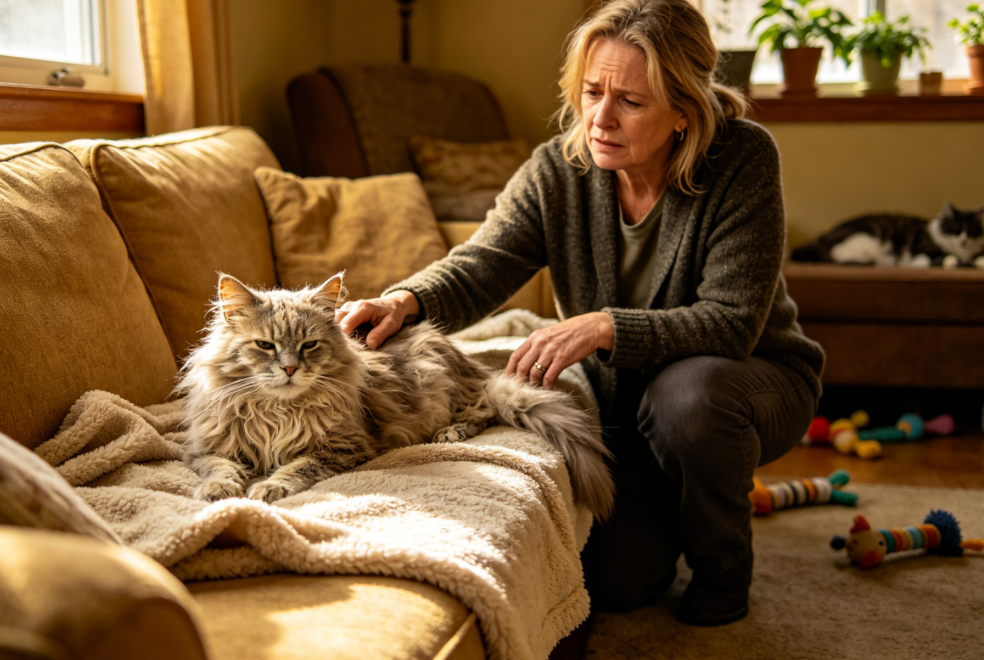
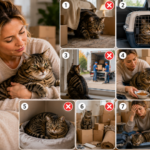
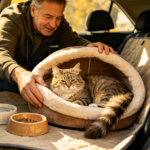
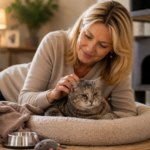
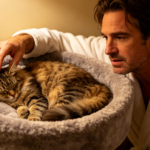
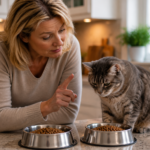
While waiting for your vet appointment, there are steps you can take to keep your cat comfortable. Ensure they have a warm, soft bed in a quiet, draft-free area where they can rest undisturbed. Provide fresh water at all times to prevent dehydration, and offer small, palatable meals if they are willing to eat. Avoid forcing them to move or play, as this can cause additional stress or pain.
Once a diagnosis is made, follow your vet’s treatment plan closely. This may include medication, a prescription diet, pain management, or fluid therapy—depending on the underlying cause. For example, CKD may require a low-phosphorus diet and fluid therapy, while arthritis may be managed with joint supplements or pain medication.
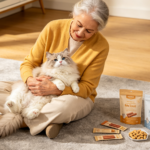
In conclusion, senior cat lethargy is a red flag that should never be ignored. By understanding the common causes, recognizing accompanying symptoms, and taking prompt action to consult your vet, you can help your senior cat receive the care they need to regain energy and comfort. Remember, your vigilance and care are the best tools to support your feline companion through their golden years.
(Word count: 598)