
















Why Senior Cats Stop Playing and How to Encourage Them to Stay Active
Play is an essential part of a cat’s life, supporting physical health, mental stimulation, and emotional well-being—but as cats enter their senior years (11 years and older), many owners notice a significant decline in their playfulness. A senior cat that once chased toys, pounced on string, or batted at feathers may suddenly lose interest, spending most of their days resting or sleeping. This shift is not just “normal aging”—it often stems from a combination of physical, mental, and emotional changes that make play feel difficult or unappealing. For cat owners, understanding why senior cats stop playing and learning how to gently encourage activity is key to supporting their golden years, keeping them healthy, engaged, and happy.
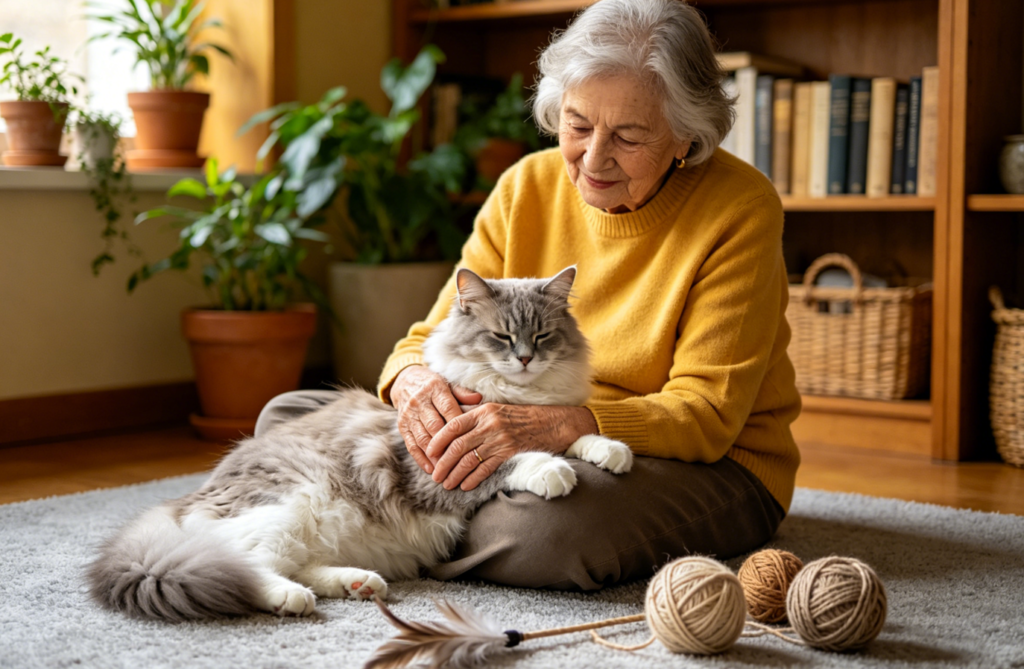
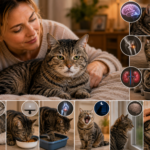
The first step to helping your senior cat is understanding the common reasons they stop playing. Physical discomfort is the most prevalent cause. As cats age, they are prone to arthritis, joint pain, and muscle weakness—movements like jumping, pouncing, or running become painful, so they avoid play to prevent discomfort. Senior cats may also experience vision or hearing loss, making it hard to track moving toys or respond to sounds, which takes the joy out of play. Additionally, age-related health conditions like hyperthyroidism, kidney disease, or cognitive dysfunction can leave them feeling fatigued, uninterested, or disoriented, further reducing their desire to play.
Mental changes also play a role. Cognitive dysfunction syndrome (CDS), similar to dementia in humans, can make senior cats confused, forgetful, or apathetic. They may no longer recognize familiar toys or remember how to play, leading to disinterest. Boredom, too, can cause a decline in playfulness—senior cats may lose curiosity about their surroundings, especially if their environment remains unchanged for long periods. Emotional factors, such as stress or anxiety from changes in the home, can also make them withdraw and stop playing.
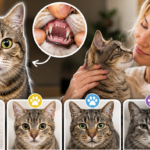
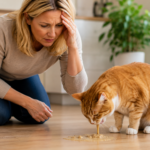
It’s important to distinguish between a normal decline in play and a sudden, extreme loss of interest—latter may signal an underlying health issue that requires a vet visit. If your senior cat stops playing entirely, paired with other signs like weight loss, lethargy, or withdrawal, schedule a check-up to rule out pain, illness, or sensory loss.
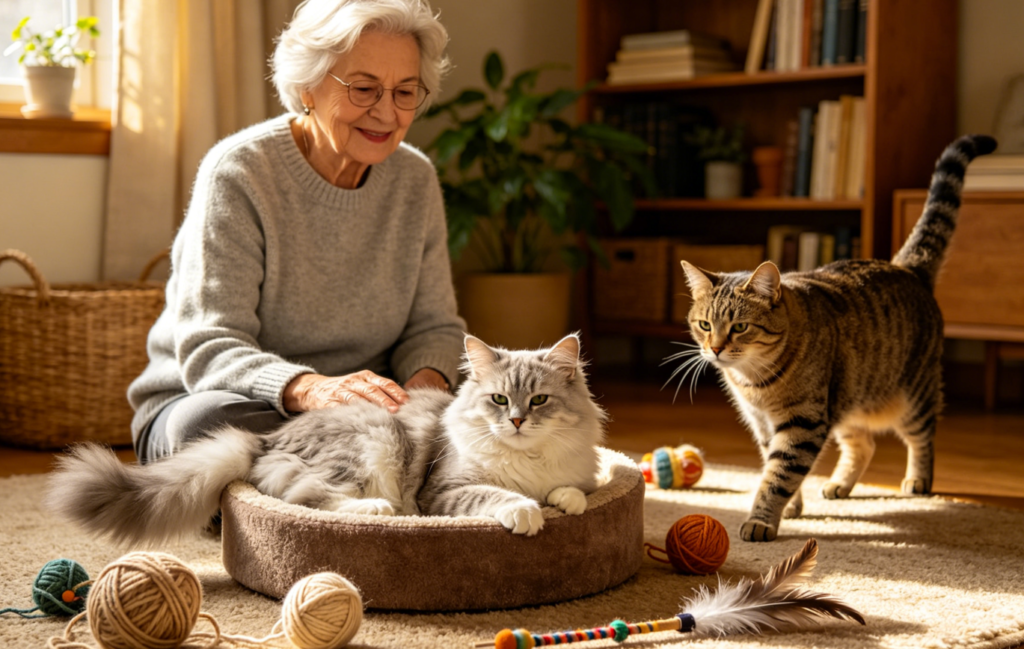
Once you understand the reasons, you can gently encourage your senior cat to stay active with age-appropriate, low-impact play. The key is to prioritize comfort, fun, and patience—never force your cat to play, as this can cause stress or pain.
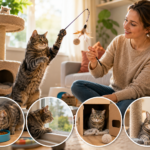
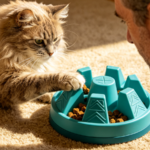
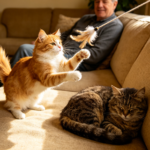
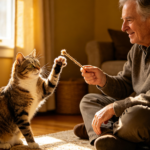
Start by choosing the right toys. Avoid high-energy toys that require jumping, running, or rapid movements. Instead, opt for soft, slow-moving toys: plush mice, crinkly balls, or wand toys with feather or fabric attachments that you can move slowly near the ground. Treat-dispensing puzzles are also excellent—they combine mental stimulation with gentle physical activity, rewarding your cat for small movements. For cats with vision loss, toys that make soft sounds (like bell toys) or have a strong scent (like catnip or silver vine) can help them track and engage.
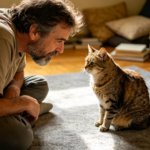
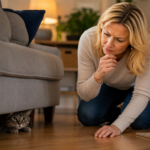
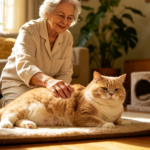
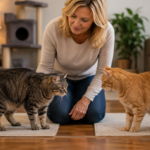
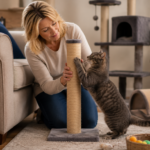
Adjust the play environment to accommodate their physical limitations. Play on the floor instead of encouraging jumping—sit or kneel to bring the toy to their level, making it easy for them to bat or paw at it. Use low, stable surfaces (like a low cat tree or soft mat) if they want to climb gently. Ensure the play area is quiet, free of distractions, and warm—senior cats are sensitive to cold and noise, which can deter them from playing.
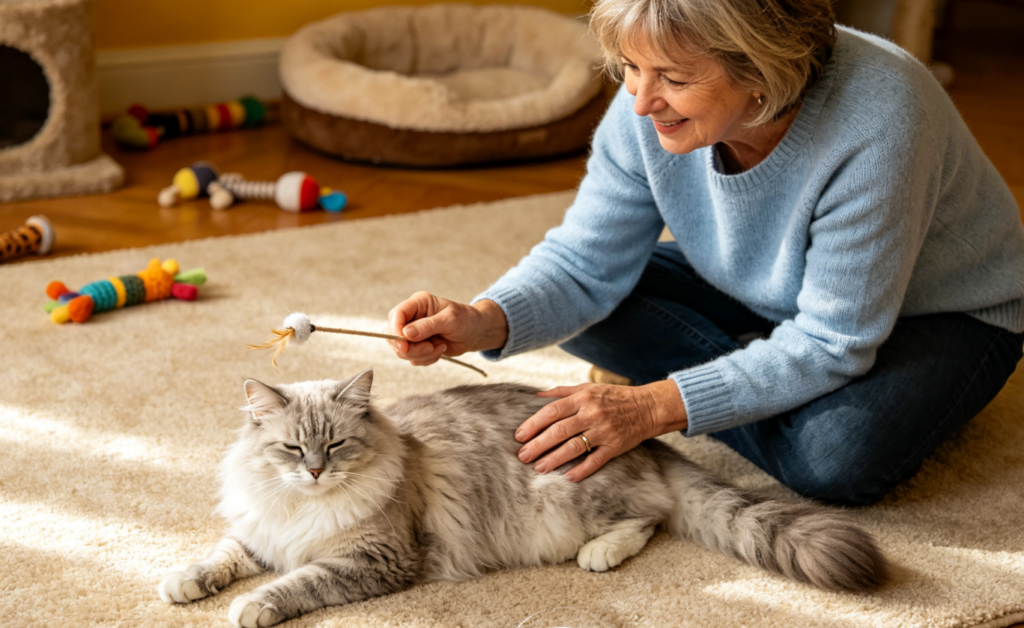
Keep play sessions short and consistent. Senior cats have limited energy, so 5–10 minute sessions, 2–3 times a day, are ideal. Focus on gentle, slow movements—let your cat set the pace. If they lose interest or show signs of fatigue (like walking away or lying down), stop the session and try again later. Praise and reward them with small, digestible treats when they engage—this creates positive associations with play and encourages them to participate.
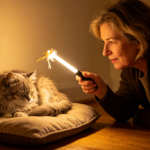
Incorporate play into their daily routine to build consistency. Try playing at the same times each day, such as after meals or when they wake up from a nap. This helps them anticipate playtime and feel more comfortable engaging. You can also involve their favorite activities—if they once loved chasing laser pointers, use a low-powered laser and move it slowly across the floor, letting them “catch” it occasionally to keep them motivated.
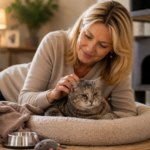
Addressing their physical comfort is also crucial. If your cat has arthritis, consult your vet about joint supplements or pain medication to reduce discomfort. Provide soft, warm beds to rest between play sessions, and keep their nails trimmed to prevent pain when pawing at toys.
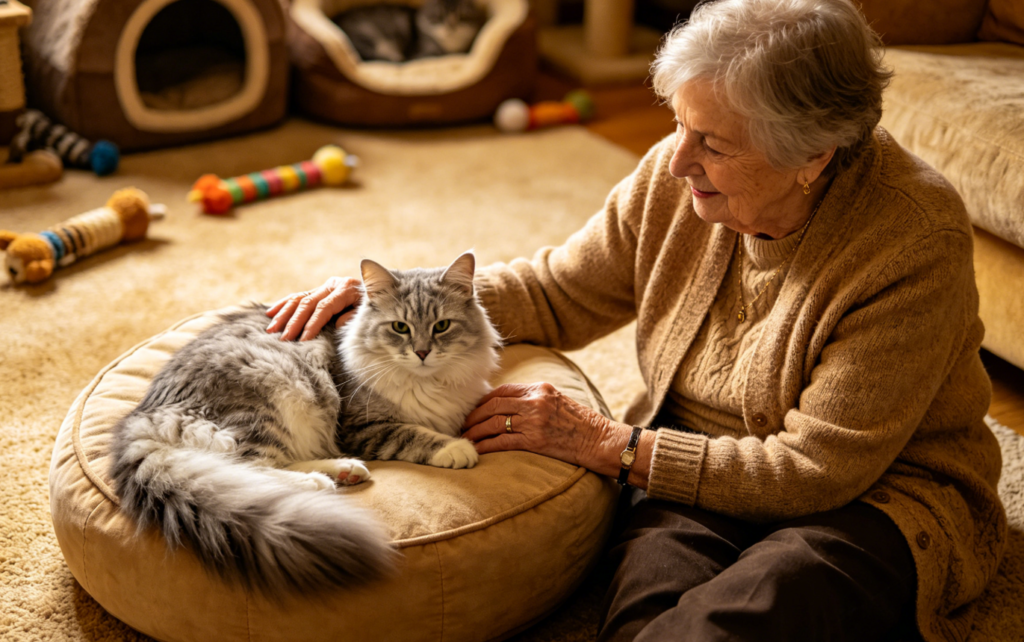
Finally, be patient and flexible. Every senior cat is different—some may enjoy short play sessions, while others may only engage for a few moments. Celebrate small wins, whether it’s a gentle bat at a toy or a brief chase, and never pressure them to do more than they’re comfortable with.
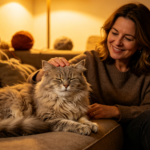
In conclusion, senior cats stop playing due to physical discomfort, sensory loss, cognitive changes, or boredom—but with gentle encouragement, age-appropriate toys, and a supportive environment, you can help them stay active. Play is not just about exercise; it’s about connection, mental stimulation, and joy. By understanding their needs and adapting play to their abilities, you can keep your senior cat engaged, healthy, and happy in their golden years.
Related posts:
 Senior Cat Grooming Tips for Older Cats With Matted Fur
 How to Care for a Senior Cat in Its Final Years: Essential Tips Every Cat Owner Should Know
 10 Essential Tips to Create a Comfortable and Safe Space for Your Senior Cat
 10 Summer Care Tips to Protect Senior Cats From Heatstroke Every Pet Owner Should Follow
 How Often Should Senior Cats Get Checkups and How to Prepare