






















How Aging Affects a Cat’s Body, Mind and Mood & Simple Ways to Support Them
As cats transition into their senior years (typically 11 years and older), aging impacts every aspect of their being—from their physical strength and health to their cognitive function and emotional state. Unlike humans, cats hide signs of aging and discomfort well, making it easy for owners to miss subtle changes until they become more severe. Understanding how aging affects a cat’s body, mind, and mood is the first step to providing the care they need to stay comfortable, happy, and healthy in their golden years. This article breaks down the key changes senior cats experience and simple, actionable ways to support them through this natural life stage.
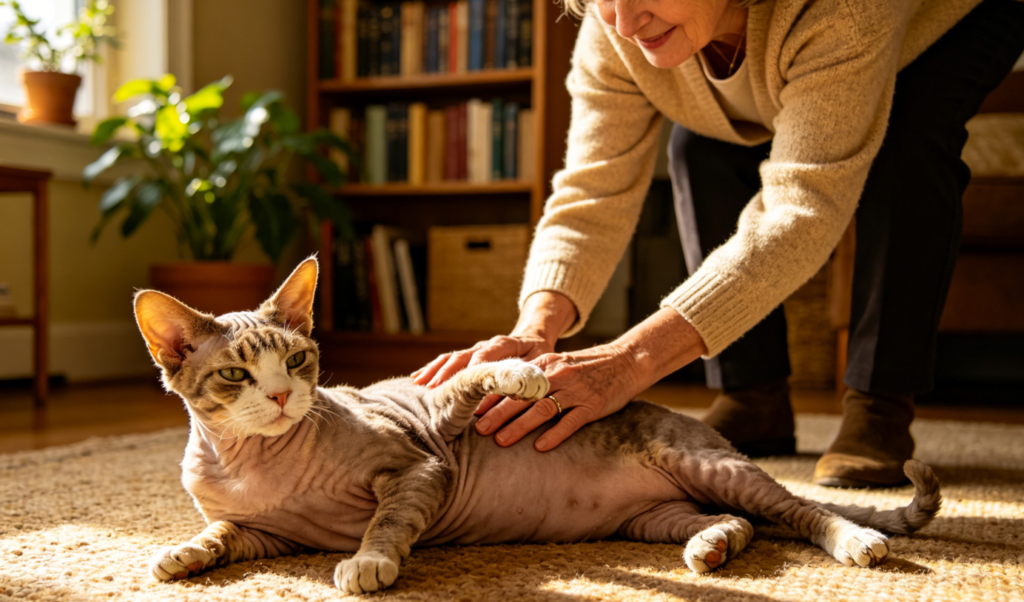
Aging takes a noticeable toll on a cat’s body, with physical changes that affect mobility, health, and daily function. One of the most common physical shifts is joint and muscle weakness, often due to arthritis—a condition that affects most senior cats. This leads to stiffness, difficulty jumping onto furniture, limping, or reluctance to move, as even simple movements become painful. Senior cats also experience changes in their coat and skin: their fur becomes dull, thin, and prone to matting, as they have less energy to groom themselves, and their skin becomes dry and fragile.
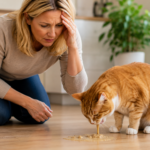
Other physical changes include weight fluctuations—some cats lose weight due to reduced appetite or age-related health issues like chronic kidney disease, while others gain weight from decreased activity. Their senses also decline: vision may blur, hearing may fade, and their sense of smell may weaken, which can affect their interest in food and their ability to navigate their environment. Digestive function slows down too, making them more prone to sensitive stomachs, constipation, or diarrhea.
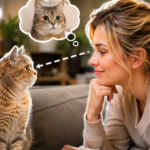
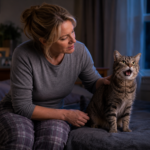
Mentally, aging can lead to cognitive changes often referred to as feline cognitive dysfunction (FCD), similar to dementia in humans. Senior cats may become disoriented—getting lost in familiar rooms, forgetting where their food bowl or litter box is, or staring blankly into space. They may also experience memory loss, struggling to recognize familiar people or routines. Some cats become more confused or anxious, especially at night, leading to increased vocalization (meowing or yowling) as they seek comfort or clarity. These changes are not just “old age”—they are signs that their brain function is changing, and they need extra support.
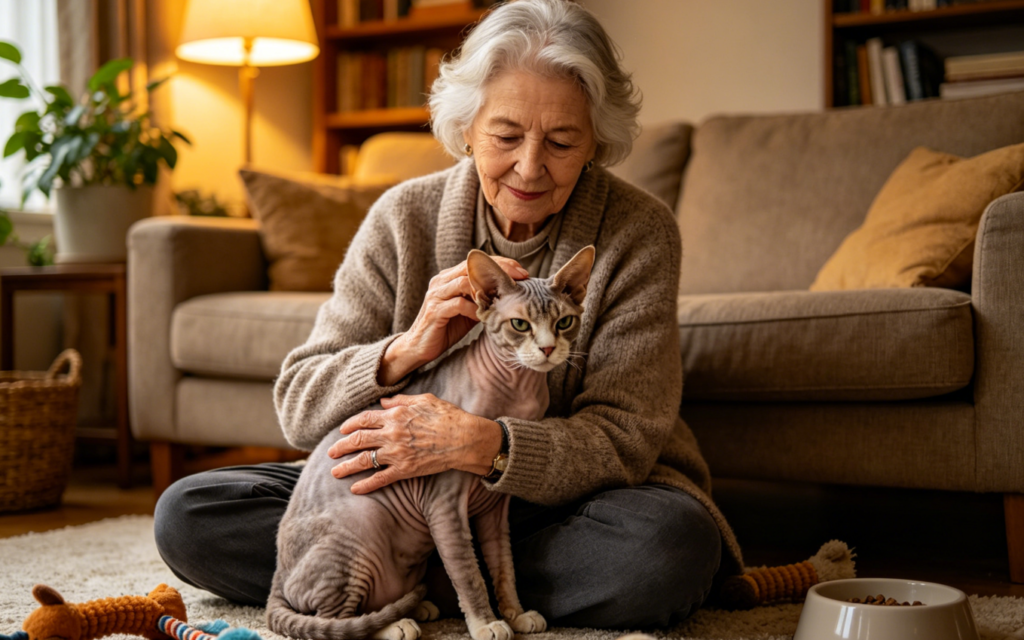
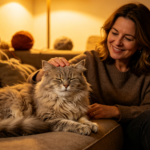
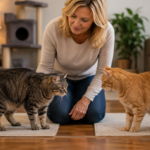
A cat’s mood and behavior also shift with age, often as a response to physical discomfort or cognitive decline. Many senior cats become more withdrawn and independent, preferring to sleep alone in quiet spots rather than interacting with their owners or other pets. They may lose interest in play, toys, or activities they once enjoyed, which can be mistaken for laziness but is often a sign of fatigue or pain. On the other hand, some senior cats become more clingy and affectionate, seeking extra cuddles and attention as they feel more vulnerable. Irritability or aggression may also occur, especially if they are in pain or confused.
The good news is that there are simple, effective ways to support your senior cat through these changes, helping them maintain a high quality of life.
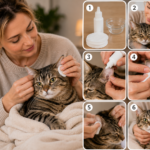
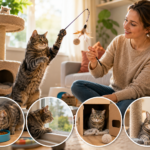
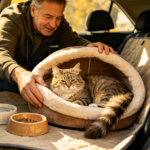
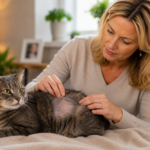
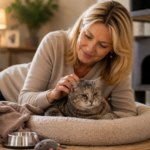
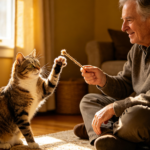
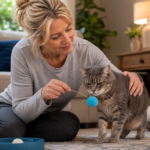
For physical health, prioritize comfort and mobility. Provide soft, warm beds in quiet, draft-free areas, and place food, water, and the litter box on the ground to avoid the need for jumping. For cats with arthritis, consult your vet about joint supplements or pain medication to reduce stiffness. Regular, gentle grooming helps keep their coat healthy and prevents matting, while short, low-impact play sessions (5–10 minutes a day) help maintain muscle strength and mobility without causing pain.
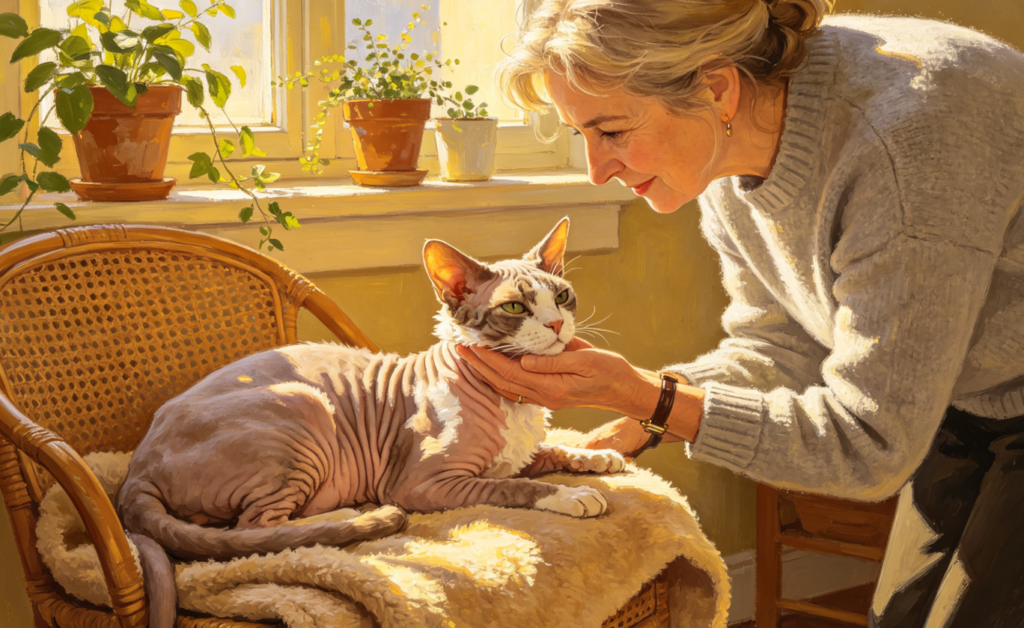
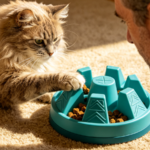
To support their mental health, establish a consistent routine—predictable feeding, play, and cuddle times help reduce confusion and anxiety. Provide mental stimulation with treat-dispensing puzzles or soft, slow-moving toys that are easy for them to interact with. Keeping their environment familiar (avoiding frequent rearrangements) also helps them feel secure. For cats with cognitive decline, talking to them gently and using familiar sounds (like their name or a favorite toy’s noise) can help reduce disorientation.
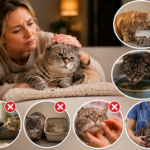
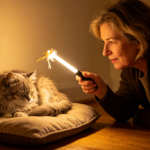
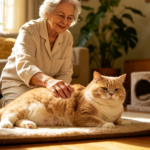
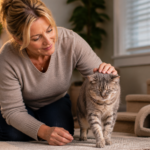
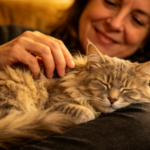
For their mood and emotional well-being, give them plenty of patience and flexibility. Respect their need for space if they want to withdraw, but also offer affection and comfort when they seek it. Avoid sudden changes to their environment or routine, as these can trigger stress. Spend quality time with them daily—even just sitting with them or gently petting them can strengthen your bond and reassure them that they are loved.
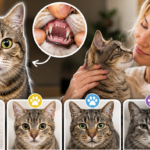
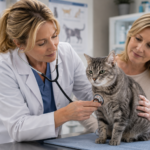
Regular vet checkups (twice a year for seniors) are also crucial. Your vet can detect underlying health issues (like kidney disease or arthritis) early, provide treatment to manage discomfort, and offer guidance on supporting your cat’s changing needs.
In conclusion, aging affects a cat’s body, mind, and mood in profound ways, but with understanding and simple, intentional care, you can help your senior cat thrive. By addressing their physical discomfort, supporting their cognitive function, and nurturing their emotional well-being, you can ensure they enjoy their golden years with comfort, dignity, and love. Remember, your senior cat’s needs change over time—but your patience and care will make all the difference.