

























Top 7 Ways to Make Your Senior Cat Live Longer and Happier
Caring for a senior cat (typically 10 years and older) is both a responsibility and a joy. While aging is inevitable, the right care can significantly extend your cat’s lifespan and improve their quality of life. Many cats now live well into their late teens or even early twenties with proper attention. Here are the top 7 proven ways to help your senior cat live longer and happier.
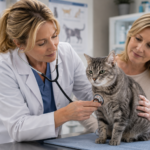
1. Schedule Regular Veterinary Check-ups Senior cats should visit the vet every 6 months instead of once a year. Early detection of common issues like kidney disease, hyperthyroidism, arthritis, and dental problems can make a huge difference. Blood work and urinalysis often reveal hidden conditions before symptoms appear.
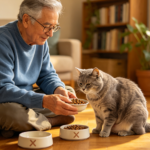
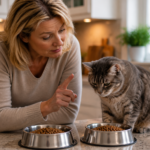
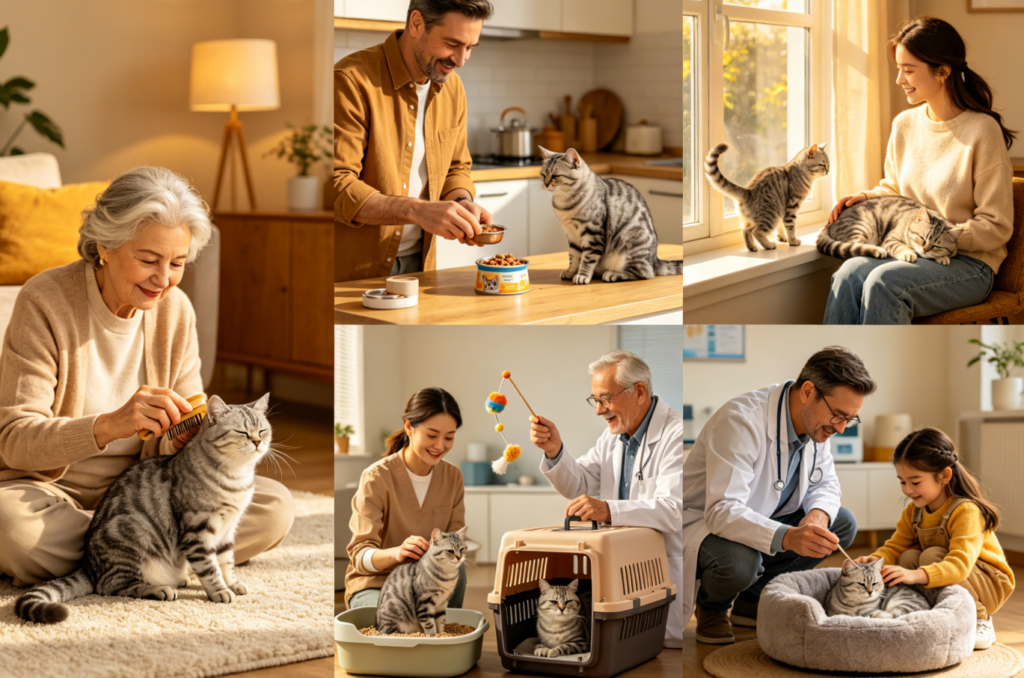
2. Feed a High-Quality Senior Diet Switch to a senior-specific formula that supports kidney health and joint function. Look for high-quality protein, controlled phosphorus levels, and added omega-3 fatty acids. Many seniors benefit from wet food, which provides better hydration and is easier to digest. Avoid free-feeding — portion control helps prevent obesity.
3. Maintain a Healthy Weight Extra weight puts dangerous stress on joints, heart, and internal organs. Keeping your senior cat at an ideal weight can add years to their life. If your cat is overweight, consult your vet for a safe weight-loss plan combining diet and gentle activity.
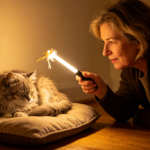
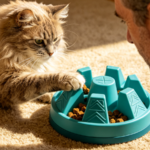
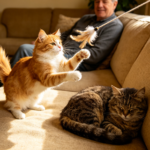
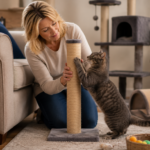
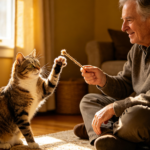
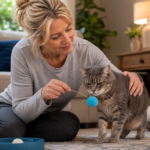
4. Provide Gentle Daily Exercise and Mental Stimulation Low-intensity play keeps muscles toned and minds sharp. Use feather wands, soft balls, puzzle feeders, or treat-search games. Even 5–10 minutes of interactive play daily can reduce boredom, anxiety, and cognitive decline.
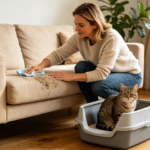
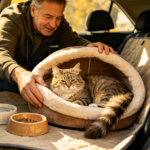
5. Create a Senior-Friendly Home Environment Make your home easy to navigate. Add ramps or steps to beds and windows, provide low-entry litter boxes, and place non-slip rugs on slippery floors. Offer multiple cozy, warm resting spots and easy-access water stations throughout the house.
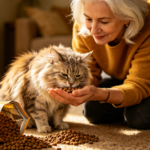
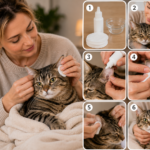
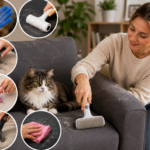
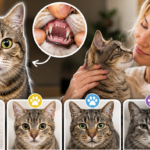
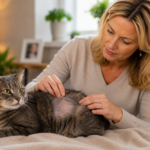
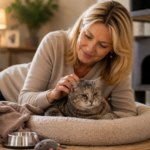
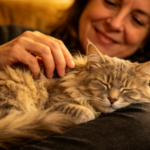
6. Focus on Grooming and Dental Care Regular brushing prevents mats and skin issues while strengthening your bond. Senior cats often develop dental disease, which can lead to pain and infections. Consider dental treats, gels, or professional cleanings as recommended by your vet.
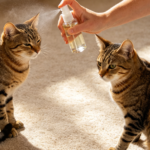
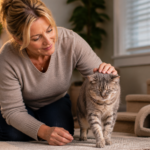
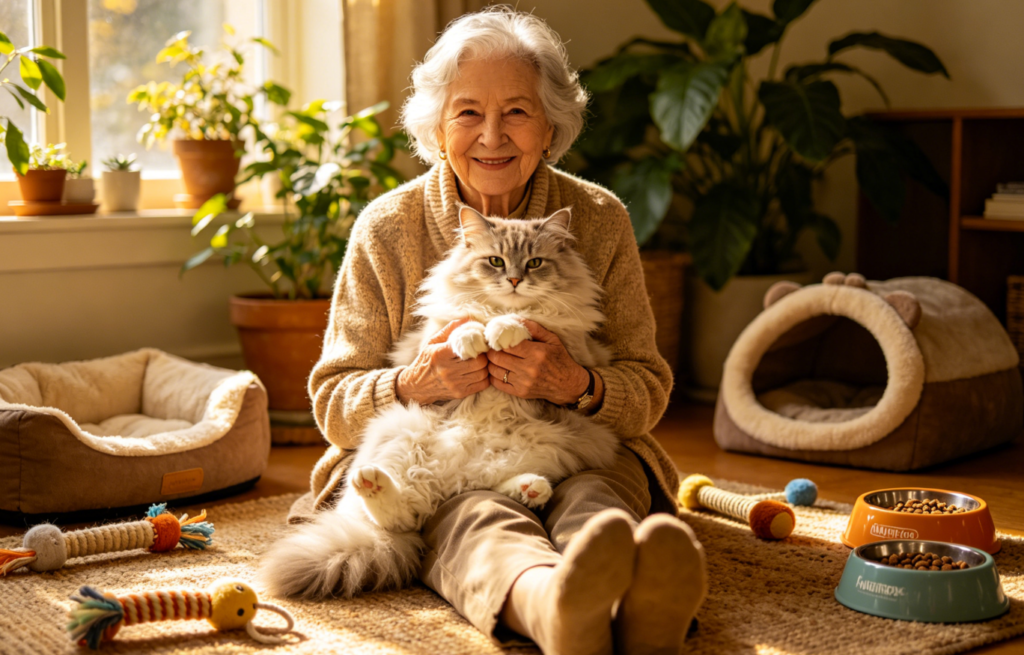
7. Reduce Stress and Strengthen Your Bond Senior cats are more sensitive to changes and anxiety. Maintain a consistent daily routine, use pheromone diffusers if needed, and spend quality time with gentle petting and lap time. A loving, stress-free environment dramatically improves both lifespan and happiness.
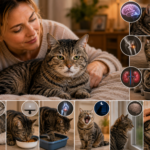
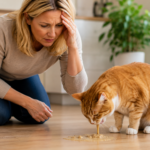
Bonus Tip: Monitor your cat closely every day. Changes in appetite, litter box habits, activity level, or grooming behavior are often the first signs something is wrong.
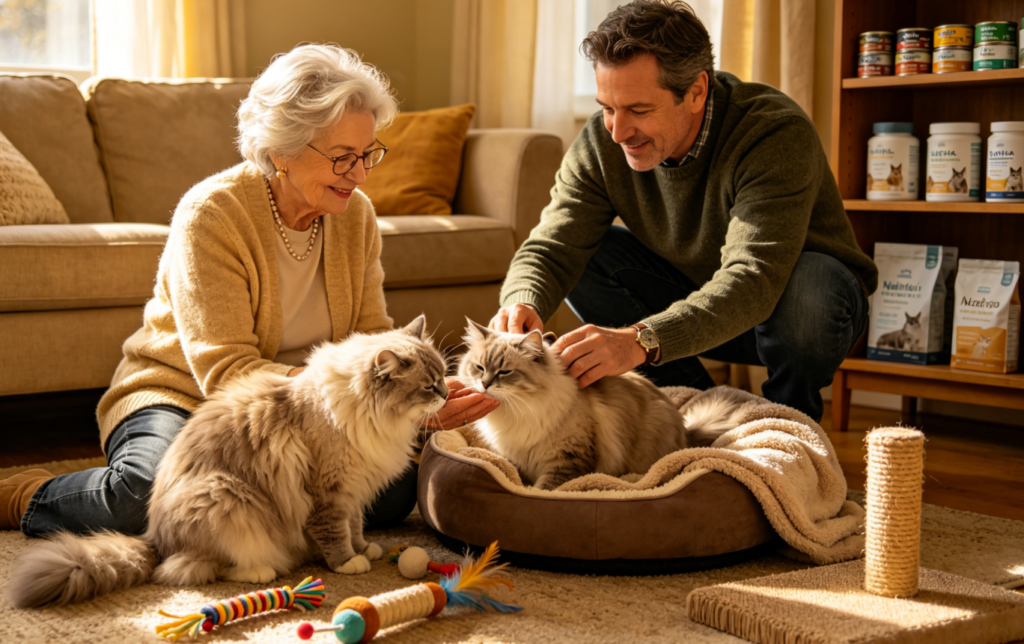
By following these seven strategies, you’re not just caring for your senior cat — you’re actively giving them the best possible golden years. Many owners who adopt these habits report seeing increased energy, better appetite, and more affectionate behavior from their aging companions.
Your senior cat has given you years of love and companionship. Now it’s your turn to repay that love with thoughtful, attentive care. With patience and consistency, you can help them enjoy a longer, healthier, and much happier life by your side.
Related posts:
 How to Care for a Senior Cat in Its Final Years: Essential Tips Every Cat Owner Should Know
 Senior Cat Grooming Tips for Older Cats With Matted Fur
 10 Essential Tips to Create a Comfortable and Safe Space for Your Senior Cat
 10 Summer Care Tips to Protect Senior Cats From Heatstroke Every Pet Owner Should Follow
 Why Senior Cats Stop Playing and How to Encourage Them to Stay Active
 How Often Should Senior Cats Get Checkups and How to Prepare