







































Signs Your Cat Is Becoming a Senior ,You Might Be Missing!
Many cat owners are surprised when their energetic feline suddenly starts showing signs of aging. While some cats show obvious changes, many senior transitions are subtle and easy to miss. Cats are typically considered seniors around 10–11 years old, though larger breeds may age earlier. Recognizing these signs early allows you to provide better care and catch potential health issues before they become serious.
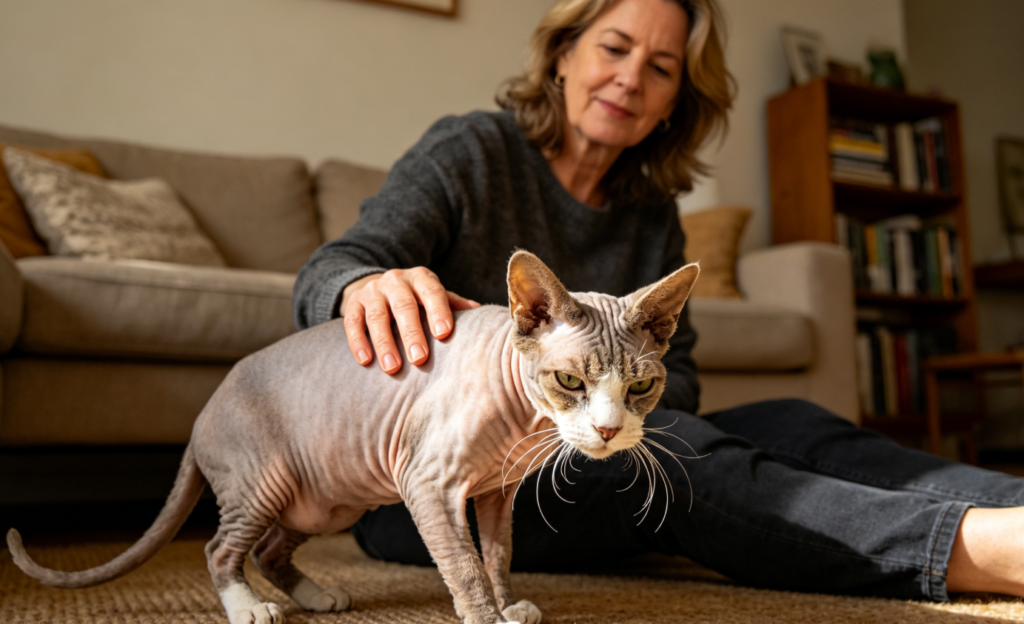
Here are the most common — and often overlooked — signs that your cat is becoming a senior:
1. Increased Sleeping and Reduced Activity Your once playful cat may now sleep 16–20 hours a day and show less interest in toys or chasing. While some slowing down is normal, sudden lethargy can also signal underlying issues like arthritis or thyroid problems.
2. Changes in Jumping Ability One of the earliest physical signs is reluctance to jump onto high surfaces or difficulty landing gracefully. You might notice them using furniture as “steps” or avoiding places they used to reach easily.
3. Weight Loss or Muscle Wasting Even if your cat is eating normally, you may feel their backbone or hips more prominently. Muscle loss is common in seniors due to reduced protein absorption and lower activity levels.
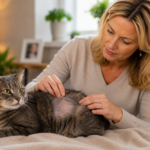
4. Altered Grooming Habits Senior cats often groom less thoroughly, leading to a dull coat, mats, or greasy skin. Over-grooming in specific areas can also indicate pain or skin issues.
5. Litter Box Changes Missing the litter box, going more frequently, or having accidents outside the box are major red flags. These can stem from arthritis (harder to get in and out), kidney disease, or cognitive changes.
6. Increased Vocalization More meowing, especially at night (often called “night yowling”), can indicate confusion, anxiety, hypertension, or cognitive dysfunction syndrome — the feline version of Alzheimer’s.
7. Appetite and Thirst Changes Some seniors become picky eaters, while others develop excessive thirst. Both can point to dental disease, kidney issues, or hyperthyroidism.
8. Behavioral Shifts Increased irritability, hiding more than usual, or seeming disoriented (getting stuck in corners or forgetting routines) are common signs of aging brain changes.
9. Eye and Coat Changes Cloudy eyes, more discharge, or a generally unkempt appearance often appear as cats age.
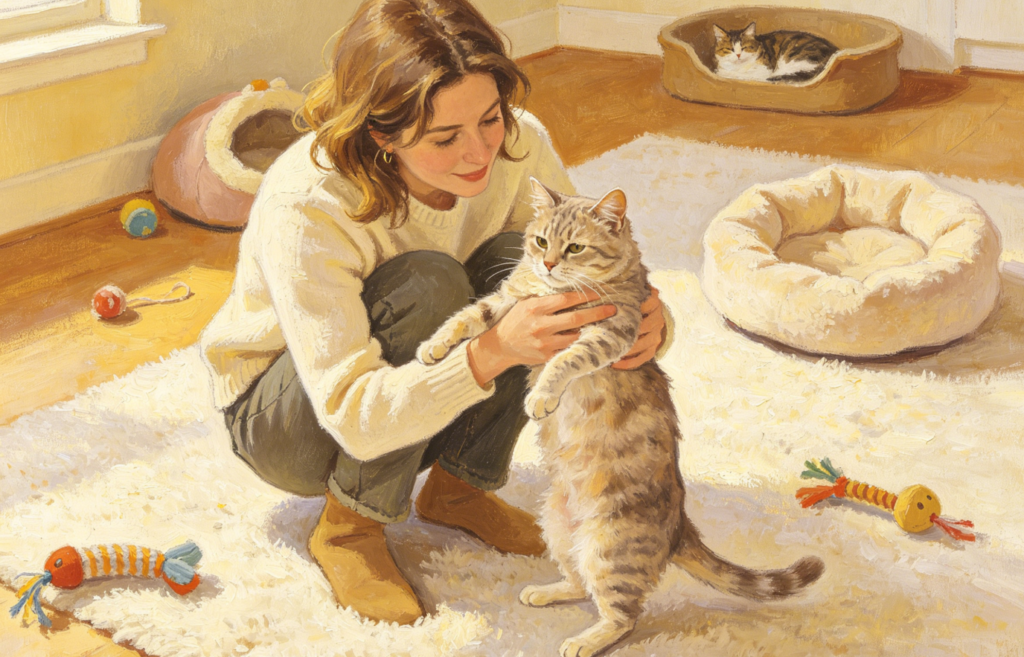
What Should You Do? If you notice several of these signs, schedule a senior wellness exam with your veterinarian. Blood work and urinalysis can detect many age-related conditions early. Simple changes like ramps, softer beds, low-entry litter boxes, and senior-specific diets can greatly improve your cat’s comfort and quality of life.
Your cat may be entering their golden years, but with awareness and proper care, these years can still be happy and fulfilling. Early recognition is the key to giving your beloved companion the best possible senior life.
Related posts:
 When Is a Cat Considered a Senior? Complete Age Guide
 Why Senior Cats Stop Playing and How to Encourage Them
 10 Clear Signs Your Cat Is Entering Its Senior Years Every Owner Should Notice
 Senior Cat Behavior Changes: What Every Owner Should Know About Aging Cats
 How Aging Affects a Cat’s Body, Mind and Mood & Simple Ways to Support Them