















































How Long Do Senior Cats Live? Realistic Lifespan Guide 2026
Many cat owners wonder how much time they have left with their beloved senior cats. Once a cat reaches 10–11 years old, they are generally considered a senior. While aging brings changes, modern veterinary care, better nutrition, and indoor lifestyles have dramatically extended feline lifespans in recent years.
Average Lifespan for Senior Cats
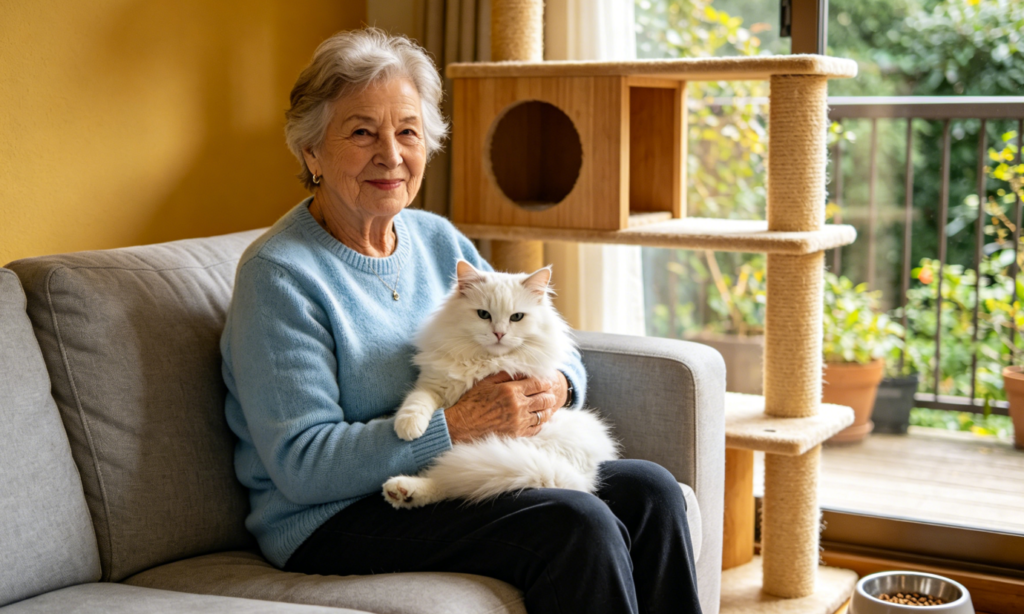
The overall average lifespan for domestic cats today is 13 to 17 years. However, many well-cared-for senior cats comfortably live into their late teens and early twenties. Indoor cats often reach 15–18 years, with some exceeding 20. Outdoor cats have significantly shorter lives, typically averaging only 7–10 years due to higher risks.
Once your cat becomes a senior (10+ years), they have already passed the riskiest period of life. From this point, many healthy seniors can expect another 5 to 10+ years of quality life with proper care.
Factors That Influence Senior Cat Longevity
Several key factors determine how long your senior cat will live:
- Diet and Weight Management: High-quality senior food with controlled phosphorus, moderate protein, and joint support helps prevent obesity and kidney strain. Maintaining a healthy weight is one of the most important things you can do.
- Veterinary Care: Regular check-ups every 6 months allow early detection of common senior issues like chronic kidney disease, hyperthyroidism, arthritis, and dental disease.
- Environment: Indoor living dramatically increases lifespan by protecting against traffic, predators, fights, and infectious diseases.
- Breed Genetics: Some breeds like Siamese and Burmese tend to live longer, while larger breeds like Maine Coons may have shorter lifespans.
- Lifestyle and Enrichment: Low-stress environments, gentle exercise, mental stimulation, and strong human bonds contribute to both longer life and better quality of life.
Record-Breaking Cats
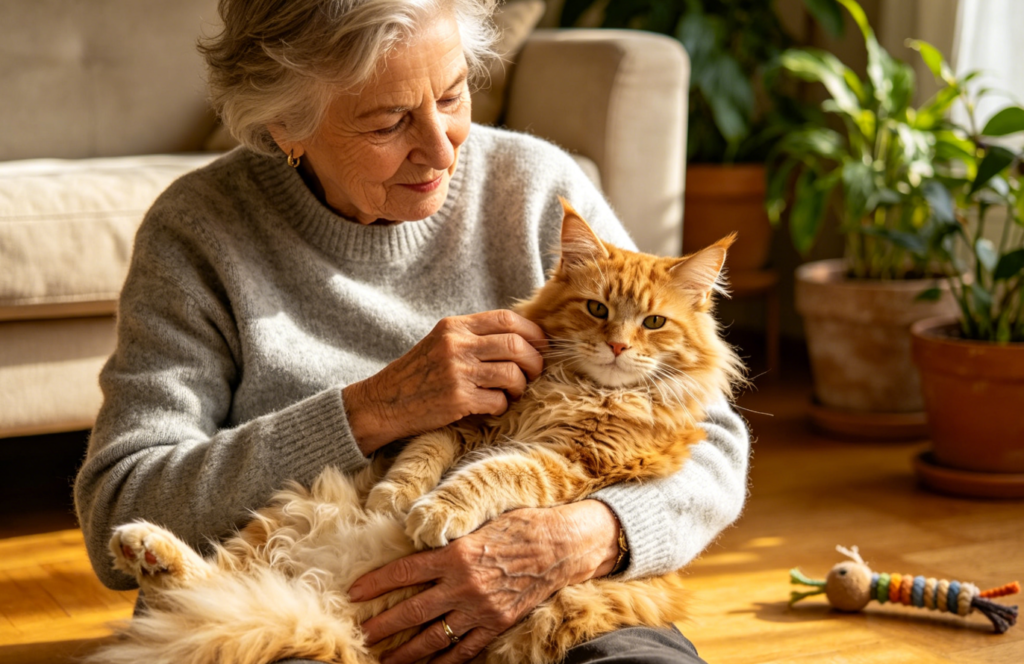
While the average is 13–17 years, some extraordinary cats defy the odds. The oldest verified cat, Creme Puff, lived to 38 years. Several cats have reached 30+ years, showing what’s possible with exceptional genetics and dedicated care.
Realistic Expectations in 2026
Most senior cats today can enjoy comfortable golden years well into their late teens. Reaching 18–20 years is increasingly common with good care, while 15–17 years is a realistic and achievable goal for the average senior cat.
The best approach is focusing on quality of life rather than just extending years. Regular monitoring, senior-specific nutrition, pain management for arthritis, and keeping your cat mentally engaged can help them thrive in their later years.
If your cat is already a senior, don’t focus only on the number of years remaining. With attentive care, veterinary support, and lots of love, many senior cats continue to be active, affectionate, and happy companions deep into their second decade of life.
Your senior cat has given you years of joy — now you can repay that love by giving them the healthiest, happiest final chapter possible.
Related posts:
 When Is a Cat Considered a Senior? Complete Age Guide
 Why Senior Cats Stop Playing and How to Encourage Them
 10 Clear Signs Your Cat Is Entering Its Senior Years Every Owner Should Notice
 Senior Cat Behavior Changes: What Every Owner Should Know About Aging Cats
 How Aging Affects a Cat’s Body, Mind and Mood & Simple Ways to Support Them
 Signs Your Cat Is Becoming a Senior ,You Might Be Missing!