









































5 Biggest Killers of Senior Cats: Common Causes, Warning Signs & How to Protect Your Feline
Senior cats aged 10 years and older face several serious health threats that can significantly shorten their lifespan. While modern veterinary medicine has improved outcomes for many conditions, early detection remains the key to successful management. Understanding the five biggest killers of senior cats — their causes, warning signs, and prevention strategies — can help you protect your beloved feline companion and potentially add years of quality life.
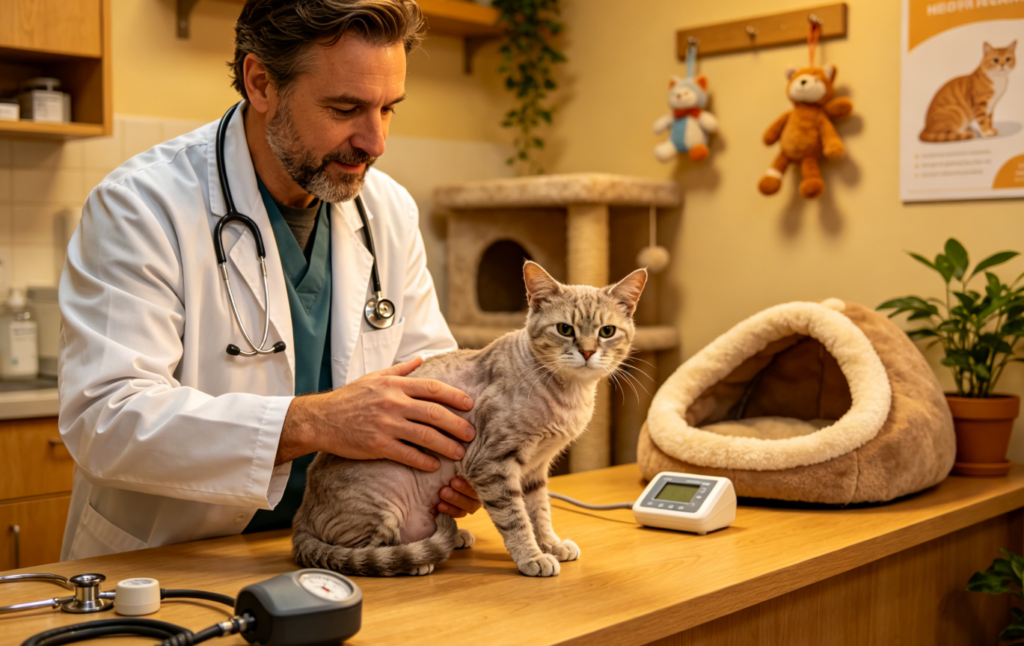
1. Chronic Kidney Disease (CKD) Chronic Kidney Disease is the number one killer of senior cats. As kidneys gradually lose function, toxins accumulate in the bloodstream. Common warning signs include increased thirst and urination, weight loss, poor appetite, vomiting, and bad breath. Early detection through routine bloodwork and urinalysis is vital. To protect your cat, feed a renal-supportive diet with controlled phosphorus, ensure constant access to fresh water, and consider subcutaneous fluids if recommended by your vet.
2. Hyperthyroidism This condition occurs when the thyroid gland becomes overactive, speeding up the cat’s metabolism. It primarily affects cats over 12 years old. Watch for rapid weight loss despite a ravenous appetite, restlessness, increased vocalization, vomiting, and diarrhea. Treatment options include daily medication, prescription diets, or radioactive iodine therapy. Regular senior wellness exams can catch this highly treatable disease before it causes heart complications.
3. Cancer Cancer rates rise sharply in older cats. Lymphoma, squamous cell carcinoma, and mammary tumors are among the most common. Symptoms vary depending on the type but may include unexplained lumps, weight loss, difficulty breathing, persistent vomiting, or changes in behavior. While some cancers respond well to chemotherapy or surgery, others require palliative care focused on comfort. Early diagnosis through regular vet visits greatly improves options.
4. Heart Disease (Cardiomyopathy) Hypertrophic cardiomyopathy (HCM) is the most common form of heart disease in cats. It often develops silently until advanced stages. Warning signs include labored breathing, sudden weakness, collapse, or coughing. Some cats show no symptoms until they experience heart failure. Routine veterinary check-ups with heart auscultation and echocardiograms (ultrasound) are the best ways to detect problems early. Medications can help manage symptoms and improve quality of life.
5. Diabetes Mellitus Older and overweight cats are particularly prone to diabetes. Classic signs include excessive thirst and urination, weight loss despite good appetite, lethargy, and hind-leg weakness. If caught early, many cats can achieve remission through insulin therapy, strict diet management, and weight control. Preventing obesity through proper portion control and gentle exercise is one of the most effective ways to reduce risk.
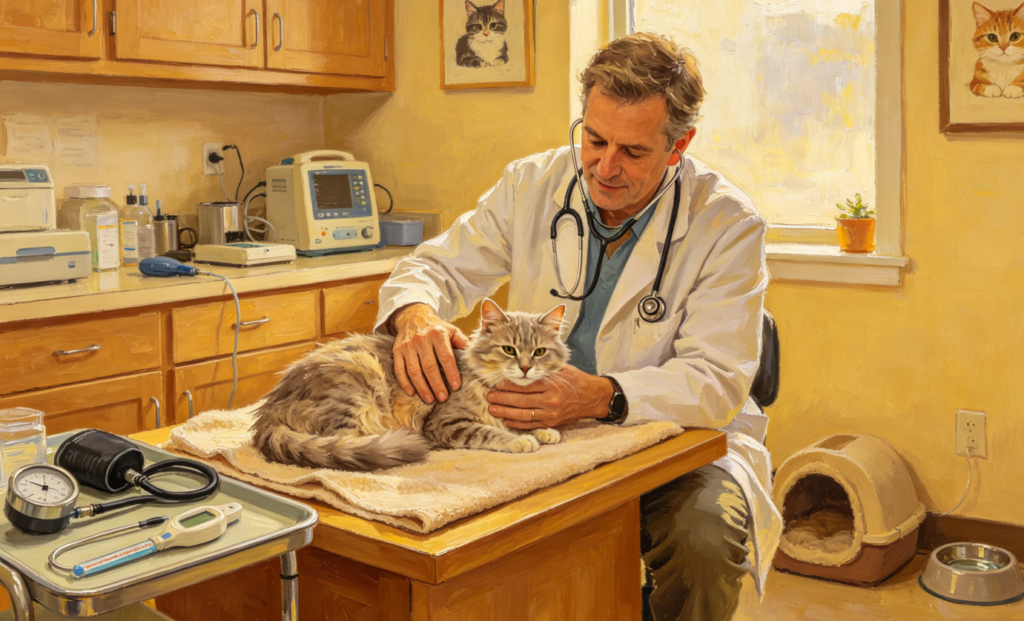
How to Protect Your Senior Cat The best defense against these killers is prevention and vigilance. Schedule veterinary check-ups every six months, feed high-quality senior or prescription diets, maintain ideal body weight, and monitor daily habits closely. Any changes in appetite, water intake, litter box usage, or activity level should prompt an immediate vet visit.
By staying informed and proactive, you can dramatically improve your senior cat’s chances of living a longer, healthier, and more comfortable life. Early intervention turns many of these “killers” into manageable conditions, allowing your cherished feline to enjoy their golden years to the fullest.
Related posts:
 10 Common Health Problems in Senior Cats You Should Never Ignore
 Common Senior Cat Health Problems You Should Never Ignore
 Why Is My Senior Cat Losing Weight Suddenly? Top Health Reasons and How to Help
 Senior Cat Lethargy: Causes, Symptoms and What to Do for Concerned Pet Owners
 7 Silent Senior Cat Health Issues Most Owners Miss Until It’s Too Late
 The Ultimate Diet Plan for Senior Cats: Tailored Nutrition for Every Age Stage (11+ Years)
 Top 7 Ways to Make Your Senior Cat Live Longer and Happier
 Top 10 Tips to Help Your Senior Cat Thrive in Their Golden Years and Improve Your Senior Cat’s