











































Senior Cat Lifespan: How Long Cats Live and What Affects Their Age
Cats are known for their independence, curiosity, and graceful aging. Many cat owners wonder how long their feline companions can live, especially as they enter their senior years. While every cat is different, advances in veterinary care, nutrition, and indoor living have significantly increased the average lifespan of domestic cats over the past few decades.
On average, indoor cats typically live between 12 and 18 years, although many cats now reach their early twenties. Some exceptional cats have even lived beyond 25 years. Outdoor cats, however, often have shorter lifespans due to traffic, predators, disease, and environmental dangers. Indoor living generally provides a safer and healthier environment that allows cats to age more comfortably.
Several important factors influence a cat’s lifespan. One of the biggest is diet. Cats need balanced nutrition throughout every stage of life, but senior cats especially benefit from high-quality food designed for aging bodies. Proper nutrition helps maintain healthy organs, strong muscles, and a stable weight. Obesity can shorten a cat’s life by increasing the risk of diabetes, arthritis, and heart problems.
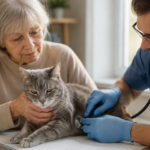
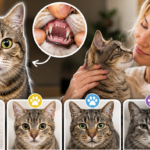
Regular veterinary care is another key factor. Annual or semi-annual health checkups help detect diseases early, often before symptoms become serious. Common age-related conditions such as kidney disease, hyperthyroidism, diabetes, and dental problems are easier to manage when discovered early. Vaccinations, parasite prevention, and routine blood tests can all contribute to a longer and healthier life.
Genetics also play a role in longevity. Some breeds are naturally more prone to certain health conditions, while mixed-breed cats are often considered genetically resilient. However, lifestyle and care usually have a greater impact on lifespan than breed alone.
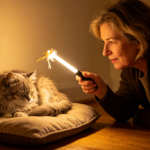
Mental and emotional well-being are equally important. Cats that experience chronic stress, boredom, or loneliness may develop behavioral and health problems over time. Providing mental stimulation through toys, climbing spaces, gentle play, and human interaction can help senior cats stay active and engaged. A calm and predictable environment is especially beneficial for elderly cats.
Exercise may also help extend a cat’s life. Even older cats benefit from light activity that keeps joints flexible and muscles strong. Interactive toys, scratching posts, and short play sessions encourage movement without overexertion.
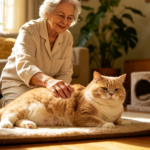
As cats age, owners may notice changes in behavior and physical ability. Senior cats may sleep more, move more slowly, or become less interested in jumping and climbing. These changes are a normal part of aging, but they also remind owners to provide extra comfort and support.
Although no one can stop the aging process, loving care and healthy habits can make a tremendous difference in a cat’s lifespan and quality of life. With proper attention, many senior cats continue to enjoy happy, peaceful, and affectionate lives well into their golden years.
Related posts:
 How Long Do Senior Cats Live? Realistic Lifespan Guide 2026
 When Is a Cat Considered a Senior? Complete Age Guide
 Why Senior Cats Stop Playing and How to Encourage Them
 How to Care for a Senior Cat in Its Final Years: Essential Tips Every Cat Owner Should Know
 10 Clear Signs Your Cat Is Entering Its Senior Years Every Owner Should Notice
 Senior Cat Behavior Changes: What Every Owner Should Know About Aging Cats
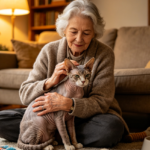 How Aging Affects a Cat’s Body, Mind and Mood & Simple Ways to Support Them
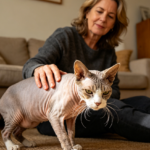 Signs Your Cat Is Becoming a Senior ,You Might Be Missing!