































How to Choose the Best Bed for an Elderly Cat With Mobility Problems
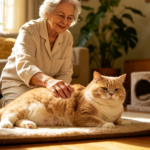
As cats age, comfort becomes more important than ever. Senior cats with mobility problems often struggle with arthritis, stiff joints, muscle weakness, or reduced flexibility. Simple activities such as jumping onto furniture or curling up in tight spaces may become difficult and painful. Choosing the right bed can make a huge difference in an elderly cat’s daily comfort, sleep quality, and overall well-being.
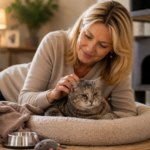
One of the most important features to look for in a senior cat bed is orthopedic support. Beds made with memory foam or thick cushioning help reduce pressure on aging joints and provide better body support. Unlike thin cushions or hard surfaces, orthopedic beds distribute weight more evenly, which may help reduce pain and stiffness during rest.
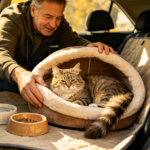
Bed height is another key factor. High-sided beds or elevated sleeping areas may be difficult for elderly cats to access. Senior cats with mobility problems usually benefit from low-entry beds that are easy to step into without jumping or climbing. A bed placed directly on the floor or on a stable low surface is often the safest option.
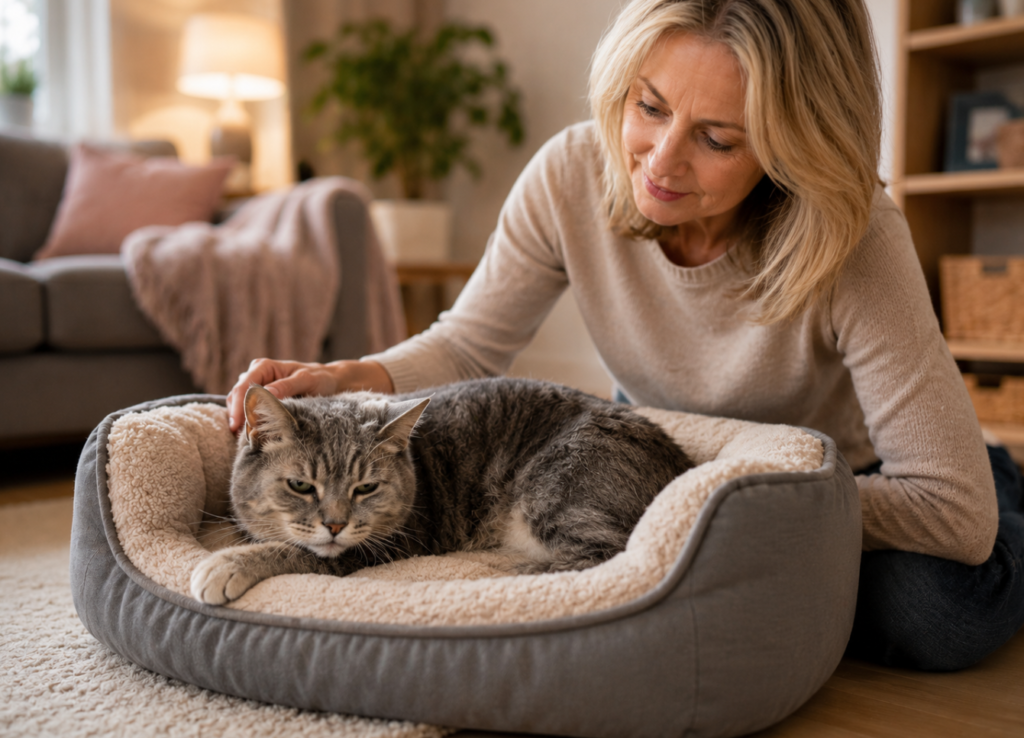
Soft and warm materials can also improve comfort. Older cats are more sensitive to cold temperatures because aging bodies may struggle to regulate heat efficiently. Plush fabrics, fleece linings, or self-warming beds can help senior cats stay cozy and relaxed. Heated pet beds may also provide soothing warmth for cats with arthritis, although owners should always choose products specifically designed for pets for safety reasons.
The size of the bed matters as well. Elderly cats often enjoy stretching out comfortably rather than curling tightly into small spaces. A bed that is too small may make movement difficult, especially for cats with stiff joints. Choosing a spacious bed with enough room to reposition easily can improve sleep quality.
Non-slip bottoms are another useful feature. Cats with weak legs or balance problems may struggle to stabilize themselves when entering or leaving a slippery bed. Beds with anti-slip materials underneath can help prevent accidents and improve stability.
Location is just as important as the bed itself. Senior cats prefer quiet, peaceful areas where they feel safe and undisturbed. Placing the bed near favorite resting spots, sunny windows, or close to family members can help elderly cats feel secure and emotionally comfortable. However, owners should avoid placing beds in areas with heavy foot traffic, loud noise, or cold drafts.
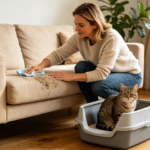
Easy maintenance is another consideration for aging pets. Some senior cats may develop bladder issues or grooming difficulties as they age. Beds with removable and washable covers make cleaning easier and help maintain hygiene.
In addition to choosing the right bed, owners can further support mobility by placing food, water, and litter boxes nearby. Pet ramps, rugs, and accessible layouts also reduce physical strain throughout the home.
A comfortable bed may seem like a small detail, but for a senior cat with mobility problems, it can greatly improve daily life. Quality rest helps reduce stress, ease discomfort, and support overall health. By understanding the changing needs of aging cats, owners can create a safer, warmer, and more comfortable environment during their pet’s senior years.
Related posts:
 Senior Cat Grooming Tips for Older Cats With Matted Fur
 How to Care for a Senior Cat in Its Final Years: Essential Tips Every Cat Owner Should Know
 10 Essential Tips to Create a Comfortable and Safe Space for Your Senior Cat
 10 Summer Care Tips to Protect Senior Cats From Heatstroke Every Pet Owner Should Follow
 Why Senior Cats Stop Playing and How to Encourage Them to Stay Active
 How Often Should Senior Cats Get Checkups and How to Prepare
 Top 7 Ways to Make Your Senior Cat Live Longer and Happier
 What Can Owners Do to Help Senior Cats Live Longer and Good Health
 Simple Home Changes That Can Improve Life for Your Elderly Cat
 How Often Should Senior Cats Visit the Vet? A Complete Health Check Guide