





































Common Senior Cat Health Problems You Should Never Ignore
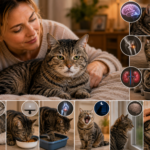
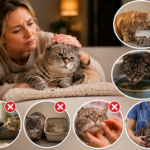
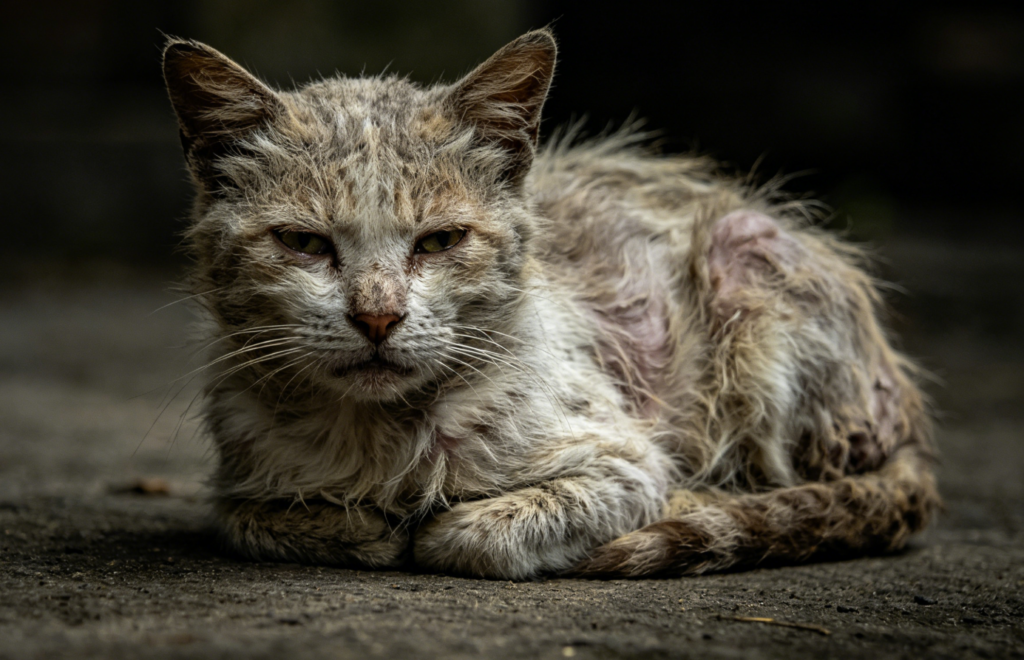
As cats enter their senior years (typically 11 years and older), their bodies undergo significant changes that make them more vulnerable to a range of health issues. Unlike kittens or adult cats, senior felines often hide signs of illness—their instinct to mask weakness dates back to their wild ancestors, where showing vulnerability meant danger. This makes it crucial for cat owners to be vigilant, recognizing subtle changes that could signal serious health problems. Ignoring these warning signs can lead to prolonged discomfort, reduced quality of life, or even life-threatening complications. Below is a guide to the most common senior cat health issues you should never overlook, along with key signs to watch for and tips to support your cat’s well-being.
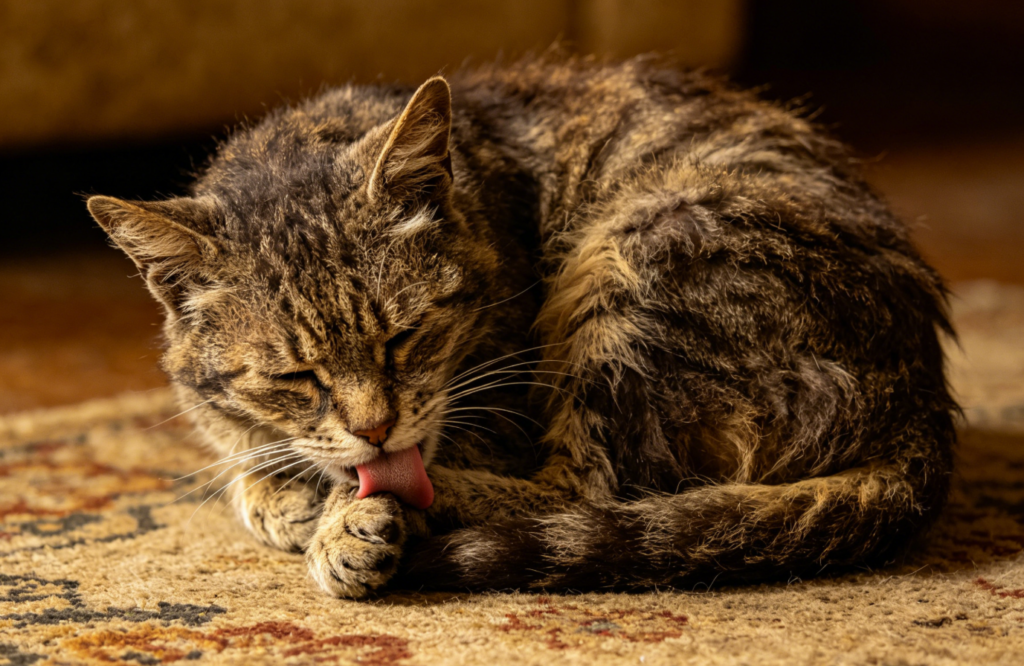
One of the most prevalent health problems in senior cats is chronic kidney disease (CKD), a progressive condition that affects the kidneys’ ability to filter waste from the blood. CKD is often undetectable in its early stages, but as it advances, signs begin to appear: increased thirst and urination, weight loss, lethargy, and a dull coat. Many senior cats develop CKD due to age-related wear and tear on the kidneys, and while it cannot be cured, early detection through regular blood and urine tests can slow its progression. Feeding a kidney-friendly diet and ensuring constant access to fresh water can help manage the condition and keep your cat comfortable.
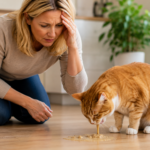
Hyperthyroidism is another common issue in senior cats, caused by an overactive thyroid gland that produces excess hormones. This condition speeds up the cat’s metabolism, leading to symptoms such as sudden weight loss (even with increased appetite), hyperactivity, restlessness, increased heart rate, and vomiting. If left untreated, hyperthyroidism can damage the heart and other organs. Fortunately, it is highly treatable with medication, radioactive iodine therapy, or surgery—early diagnosis is key to preventing long-term harm.
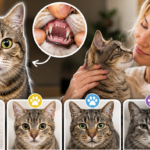
Dental disease is often overlooked but affects nearly 80% of senior cats. Over time, plaque and tartar build-up lead to gum inflammation (gingivitis), tooth decay, and even tooth loss. Signs of dental problems include bad breath, difficulty chewing, drooling, and avoiding hard food. Dental disease not only causes pain but can also lead to systemic issues, as bacteria from the mouth can enter the bloodstream and damage the heart, kidneys, and liver. Regular dental check-ups and professional cleanings, along with at-home dental care (such as dental treats or brushing), can prevent or manage this condition.
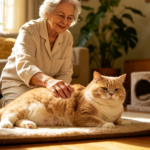
Arthritis is a painful condition that affects many senior cats, especially those with a history of obesity or joint injuries. It causes inflammation and stiffness in the joints, leading to reduced mobility. Signs include reluctance to jump, slow movement, difficulty climbing stairs, limping, and sleeping more than usual. While arthritis cannot be cured, it can be managed with pain medication, joint supplements (such as glucosamine), weight management, and gentle exercise. Providing soft bedding and low-sided litter boxes can also ease discomfort for arthritic cats.
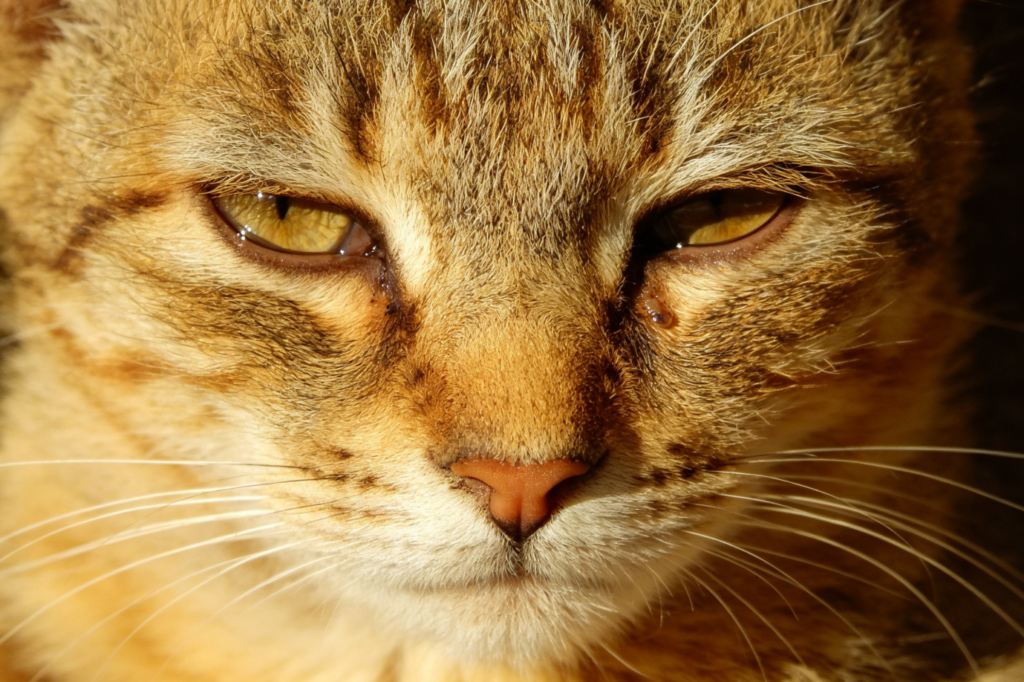
Finally, cognitive dysfunction syndrome (CDS), often referred to as “feline dementia,” is a condition that affects older cats’ brain function. Signs include disorientation (getting lost in familiar spaces), changes in sleep patterns (sleeping during the day, awake at night), altered litter box habits, and reduced interaction with owners. While CDS is progressive, environmental enrichment (such as puzzle toys) and a consistent routine can help slow its progression and improve your cat’s quality of life.
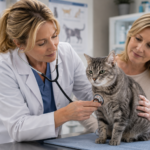
In conclusion, senior cats require extra attention to their health, as they are prone to a range of age-related conditions. By staying alert to the signs of common health problems—such as CKD, hyperthyroidism, dental disease, arthritis, and CDS—and scheduling regular veterinary check-ups (every six months for seniors), you can ensure your feline companion lives a comfortable, healthy life in their golden years. Never ignore subtle changes in your cat’s behavior or appearance; they could be trying to tell you they need help.
Related posts:
 When Is a Cat Considered a Senior? Complete Age Guide
 Senior Cat Grooming Tips for Older Cats With Matted Fur
 10 Common Health Problems in Senior Cats You Should Never Ignore
 Best Food for Senior Cats: Wet vs Dry Food Guide
 Why Senior Cats Stop Playing and How to Encourage Them
 Why Is My Senior Cat Losing Weight Suddenly? Top Health Reasons and How to Help
 Senior Cat Lethargy: Causes, Symptoms and What to Do for Concerned Pet Owners
 7 Silent Senior Cat Health Issues Most Owners Miss Until It’s Too Late