










Why Senior Cats Stop Playing and How to Encourage Them
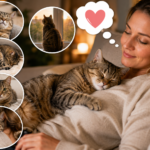
Play is not just a fun activity for cats—it’s a vital part of their physical health, mental stimulation, and emotional well-being. However, as cats enter their senior years (11 years and older), many owners notice a significant decline in their playfulness. This shift is often mistaken for “just aging,” but it’s usually a sign of underlying changes in their body, mind, or environment. Understanding why senior cats stop playing is the first step to helping them rediscover joy and stay active, which is key to their quality of life. This guide explores the common reasons behind reduced play in senior cats and shares gentle, effective ways to encourage them to engage again.
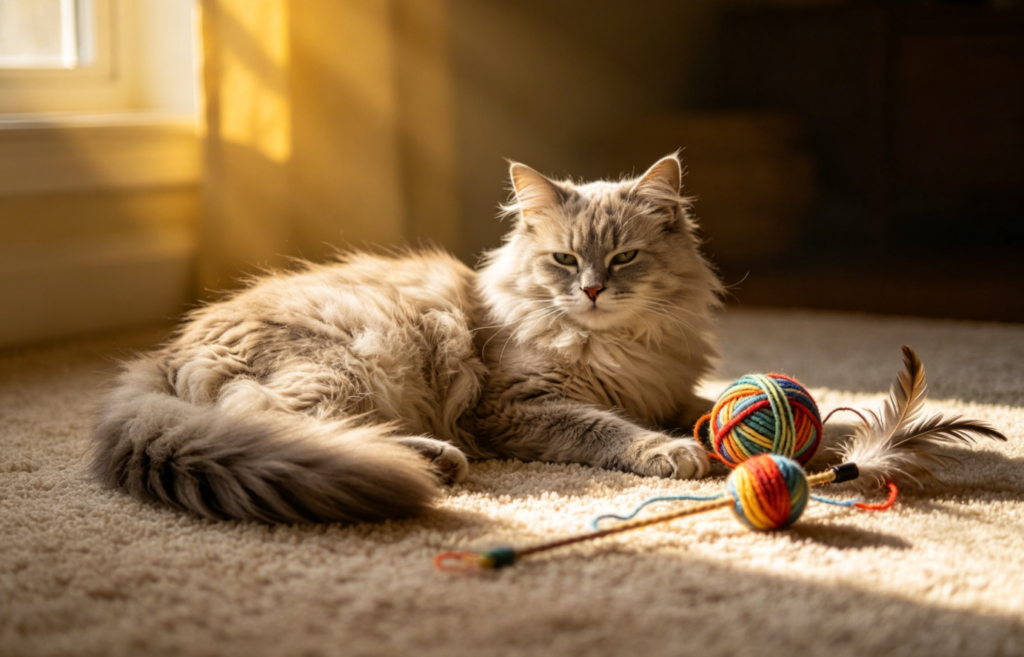
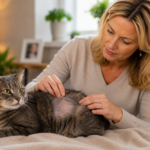
One of the primary reasons senior cats stop playing is physical discomfort or pain. Aging felines often develop arthritis, joint stiffness, or muscle loss, making movement—especially jumping, pouncing, or chasing—painful. Even small, playful movements can cause soreness, so they avoid activities that strain their bodies. Additionally, senior cats may experience vision or hearing loss, which makes it hard for them to track toys or respond to stimuli, reducing their motivation to play. Fatigue is another factor: older cats have less energy and need more sleep, so they prioritize rest over play.
Mental changes also play a role in reduced playfulness. Cognitive Dysfunction Syndrome (CDS), similar to dementia in humans, affects many senior cats, leading to disorientation, confusion, and a loss of interest in familiar activities like play. Stress or anxiety—from changes in the home, loss of a companion, or even a new pet—can also cause senior cats to withdraw and stop playing. Unlike younger cats, seniors thrive on routine, and any disruption can dampen their mood and willingness to engage.
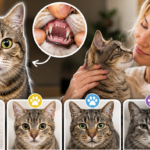
Health issues, such as dental pain, kidney disease, or hyperthyroidism, can also sap a senior cat’s energy and desire to play. These conditions often cause lethargy, weight loss, or discomfort, making play feel like a chore rather than a joy. It’s important to rule out underlying health problems with a vet if your senior cat suddenly stops playing, as early intervention can restore their energy and interest.
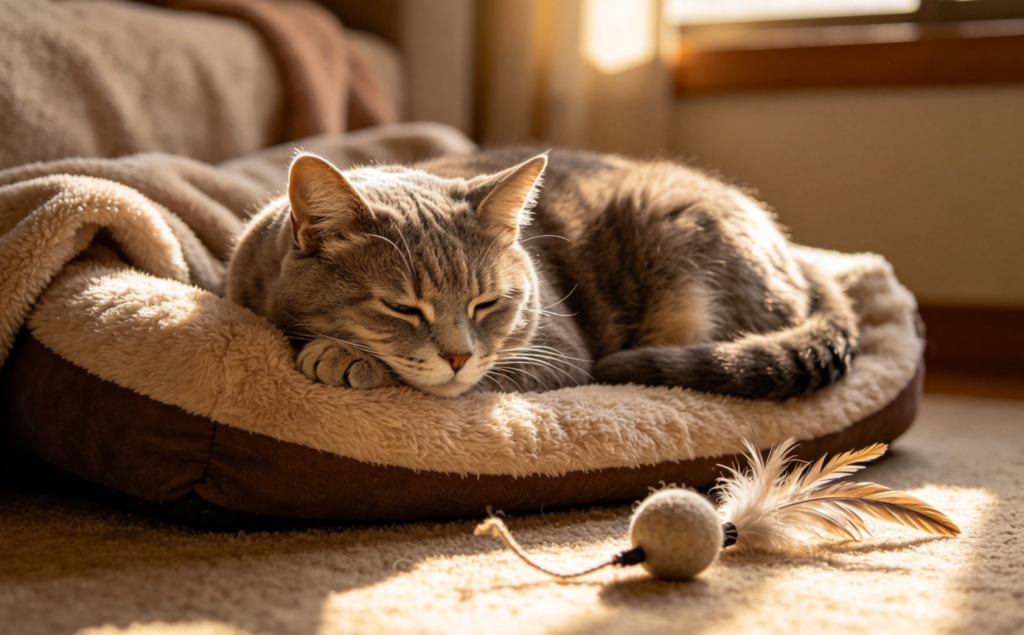
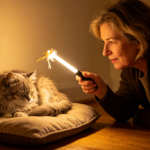
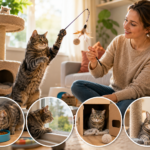
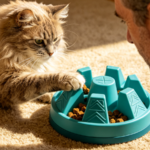
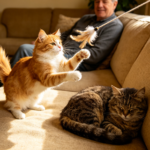
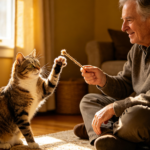
Encouraging a senior cat to play requires patience, empathy, and adjustments to suit their physical and mental needs. Start with gentle, low-impact toys that don’t require much movement—think soft plush toys, slow-moving laser pointers, or treat-dispensing puzzles. Avoid toys that require jumping or rapid chasing, as these can strain their joints. Short, frequent play sessions (5–10 minutes at a time) are better than long, tiring ones, as they allow your cat to rest in between.
Modify the play environment to make it accessible: place toys on low surfaces (like the floor or a low shelf) to avoid jumping, and use soft, quiet toys that are easy to see and hear (bright colors for cats with vision loss, crinkly toys for those with hearing issues). Incorporate treats into play to create positive associations—for example, hide treats in a puzzle toy or reward them with a small snack after a short play session.
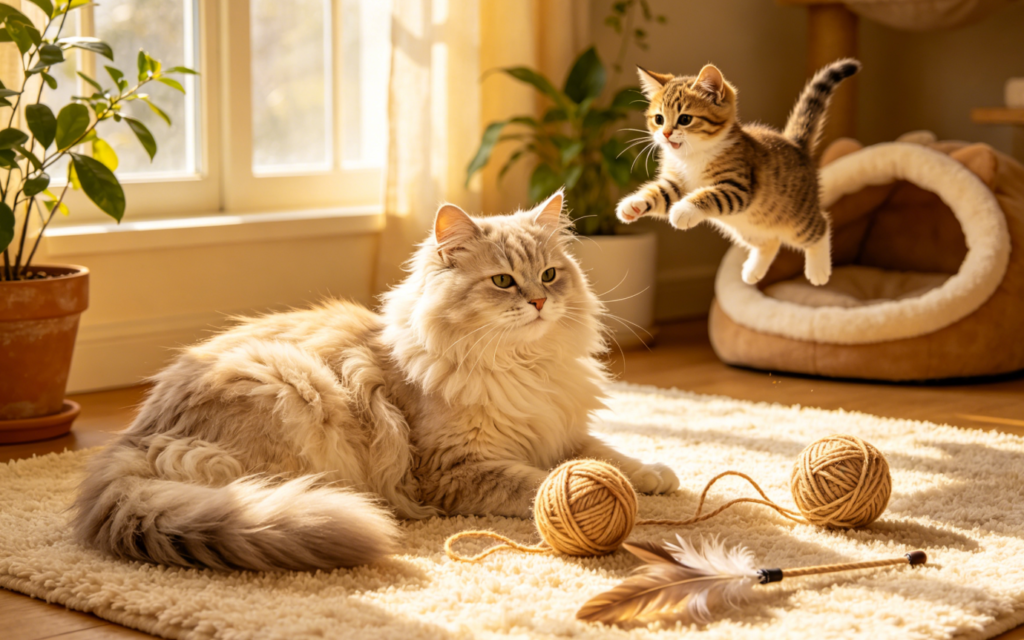
Routine is key for senior cats, so try to play at the same time each day, preferably when they’re most alert (often in the morning or early evening). Keep the environment calm and free of distractions, and join in the play to make it a bonding experience. If your cat shows signs of discomfort (hissing, limping, or stopping mid-play), stop immediately and try again later.
In conclusion, senior cats stop playing due to physical pain, mental changes, or health issues—not just “old age.” By understanding their limitations, adapting play to their needs, and prioritizing gentle, consistent engagement, you can help your senior cat rediscover the joy of play. Play isn’t just for kittens—it’s a way to keep senior cats active, mentally sharp, and connected to their owners, ensuring they live their golden years happily and healthily.
Related posts:
 When Is a Cat Considered a Senior? Complete Age Guide
 Best Food for Senior Cats: Wet vs Dry Food Guide
 Senior Cat Grooming Tips for Older Cats With Matted Fur
 Common Senior Cat Health Problems You Should Never Ignore
 10 Clear Signs Your Cat Is Entering Its Senior Years Every Owner Should Notice
 Senior Cat Behavior Changes: What Every Owner Should Know About Aging Cats
 How Aging Affects a Cat’s Body, Mind and Mood & Simple Ways to Support Them