




































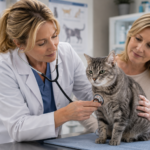



10 Clear Signs Your Cat Is Entering Its Senior Years Every Owner Should Notice
Cats age gracefully, but their bodies and behaviors change gradually as they transition into their senior years—typically around 11 years old. Unlike humans, cats don’t show obvious signs of aging overnight, so it’s easy for owners to miss subtle shifts that signal their feline friend is entering a new life stage. Recognizing these signs early is crucial: it allows you to adjust their care routine, address health concerns promptly, and ensure they stay comfortable and happy in their golden years. Below are 10 clear, actionable signs every cat owner should watch for to know when their cat is entering its senior years.
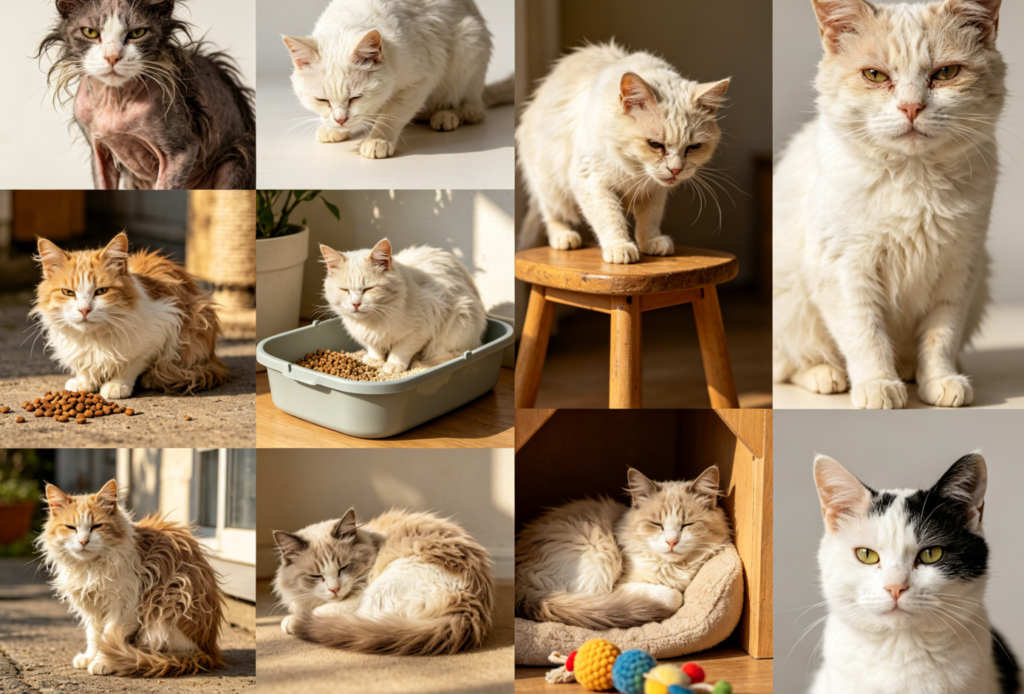
- Reduced Energy and Activity Levels – One of the first and most noticeable signs is a drop in energy. Senior cats no longer chase toys for hours or jump onto high shelves as easily; instead, they spend more time sleeping (up to 18–20 hours a day) and prefer quiet, low-key activities. This isn’t just laziness—it’s a natural result of slower metabolism and age-related muscle loss.
- Changes in Appetite and Weight – Senior cats often experience appetite changes: some eat less due to reduced sense of smell or dental pain, while others overeat and gain weight (especially if they’re less active). Sudden weight loss or gain is a red flag and should be checked by a vet, as it may signal underlying health issues like hyperthyroidism or kidney disease.
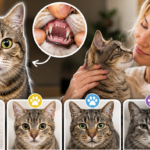
- Dental Issues – Bad breath, yellow or tartar-covered teeth, and reluctance to chew hard food are common signs of aging. Dental disease affects nearly 80% of senior cats, and it can cause pain that reduces their appetite and quality of life.
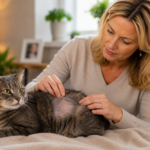
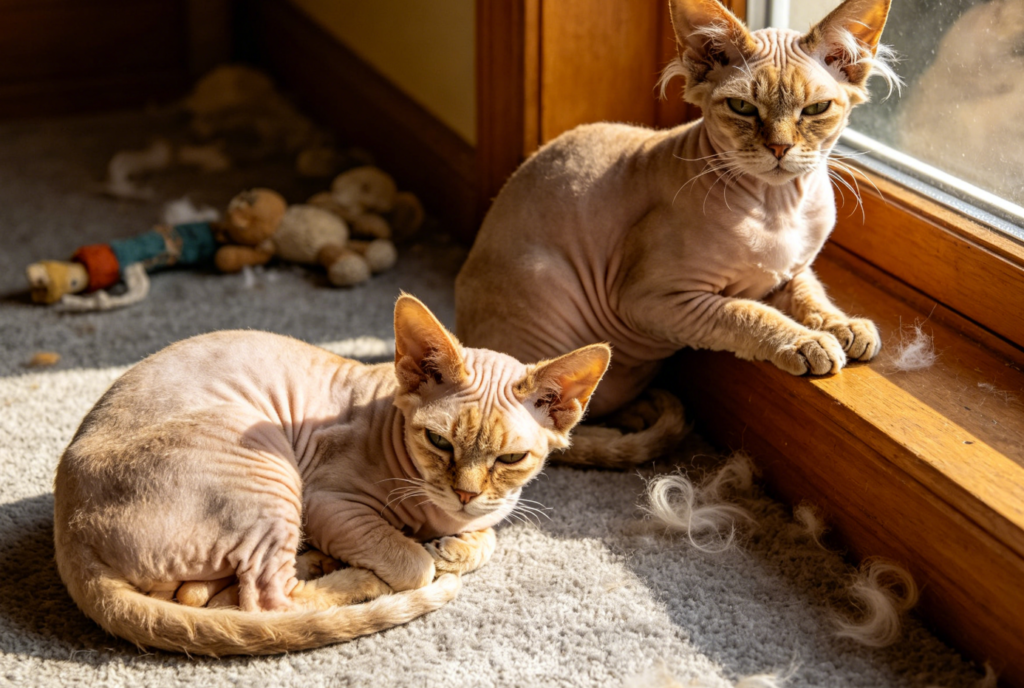
- Coat and Skin Changes – A senior cat’s coat may become dull, dry, or thin, and they may groom themselves less frequently (due to joint pain or fatigue). This can lead to matted fur, dandruff, or skin irritation—signs that their self-care abilities are declining.
- Joint Stiffness and Mobility Issues – Arthritis is common in senior cats, leading to stiffness, limping, or difficulty jumping, climbing stairs, or getting in and out of the litter box. You may notice your cat hesitates before jumping or favors one leg over the other.
- Changes in Litter Box Habits – Senior cats may have accidents outside the litter box due to mobility issues (they can’t reach it in time), cognitive decline, or urinary tract problems. They may also drink more water and urinate more frequently—a sign of kidney or bladder issues.
- Sleep Pattern Shifts – While cats sleep a lot throughout their lives, senior cats often reverse their sleep schedule: sleeping more during the day and staying awake at night. This can be due to cognitive changes or discomfort that disrupts their rest.
- Increased Vocalization – Some senior cats meow more frequently, especially at night. This may be a sign of confusion, disorientation, pain, or loneliness—common in cats with cognitive dysfunction syndrome (CDS), similar to dementia.
- Behavioral Changes – Senior cats may become more clingy and seek extra affection, or they may withdraw and prefer to be alone. They may also become irritable or defensive if touched in painful areas (like arthritic joints).
- Vision and Hearing Loss – Cloudy eyes or difficulty tracking moving objects signal vision loss, while unresponsiveness to sounds (like their name or a treat bag) may indicate hearing decline. These changes can make your cat more anxious or disoriented.
It’s important to remember that every cat ages differently—some may show these signs earlier, while others stay active well into their senior years. If you notice any of these changes, schedule a vet check-up to rule out underlying health issues and adjust their care. With early recognition and tailored support, you can help your senior cat thrive in their golden years, honoring the special bond you share.